“Dead Poets Society”: Why Neil’s Father Stood "Before The Law"
Dead Poets Society brilliantly combines defeat and optimism, rejection and love, craziness and daring, fear and freedom.
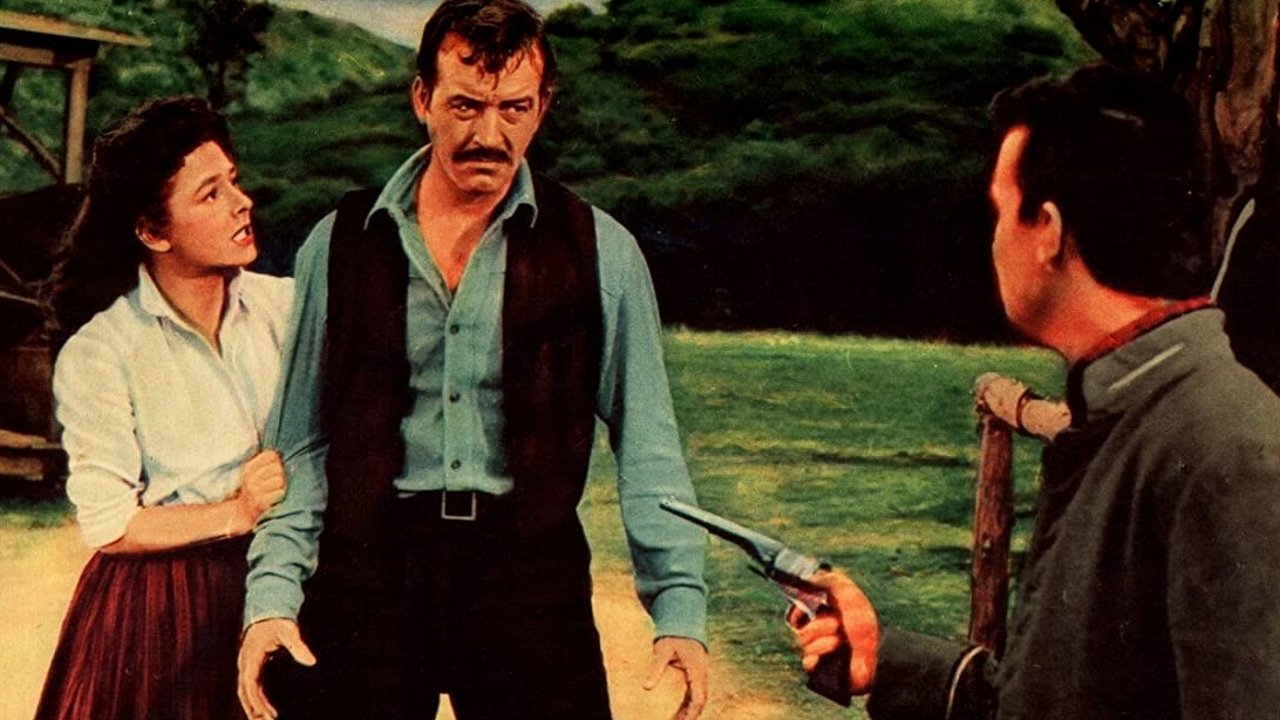
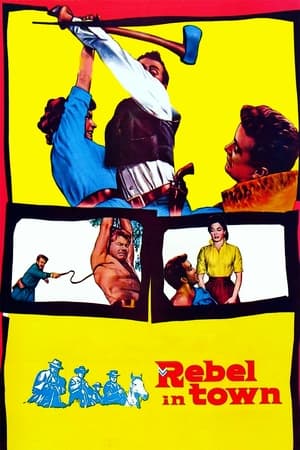


Ex-Confederate Bedloe Mason and his four sons ride into a small Western town with robbery in mind. Hearing a suspicious "click," Wes Mason whirls and shoots dead a boy playing with a cap pistol. The Mason clan then flees but Gray Mason, feeling remorse, decides to return to the town. He winds up at the home of John and Nora Willoughby who, unknown to him, are parents of the dead boy. Nora recognizes him as one of the Confederates but keeps quiet, wishing to avoid more violence. However, when John learns of Gray's true identity, he determines to avenge his son's death
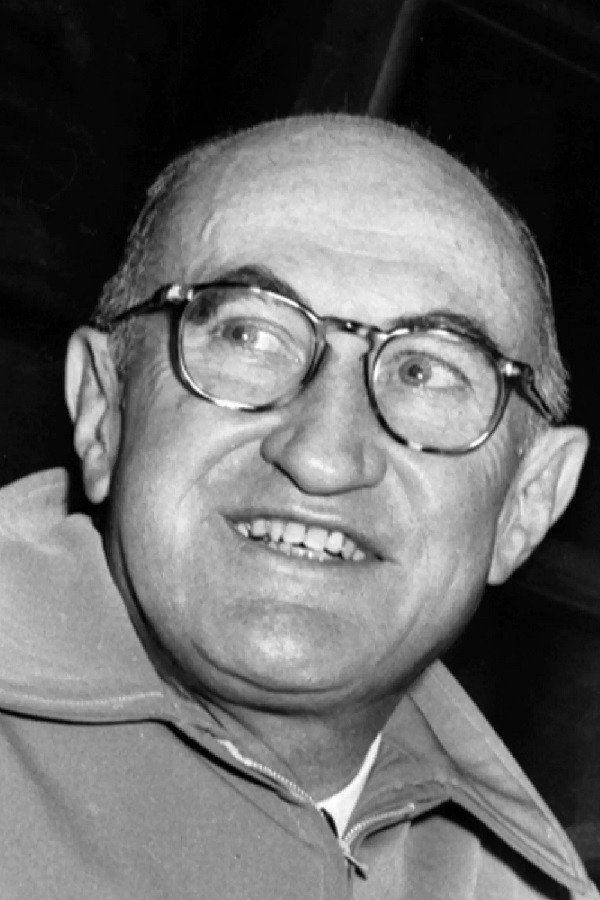
Alfred L. Werker
Director

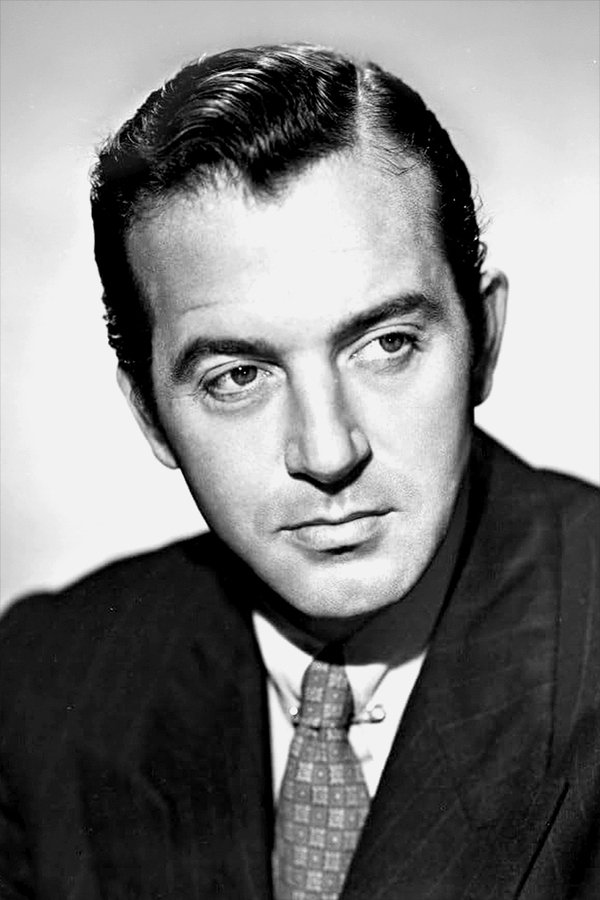
John Payne
John Willoughby

Ruth Roman
Nora Willoughby
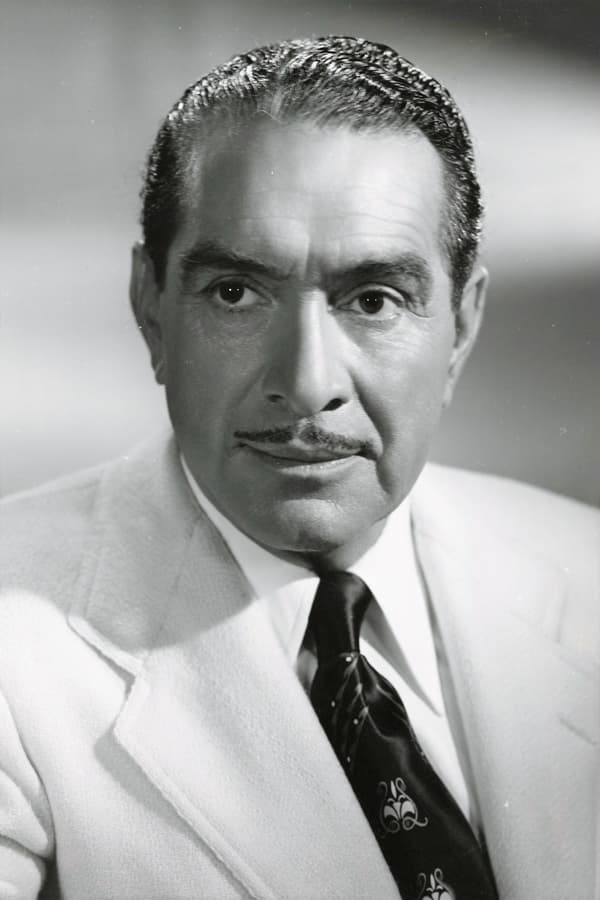
J. Carrol Naish
Bedloe Mason
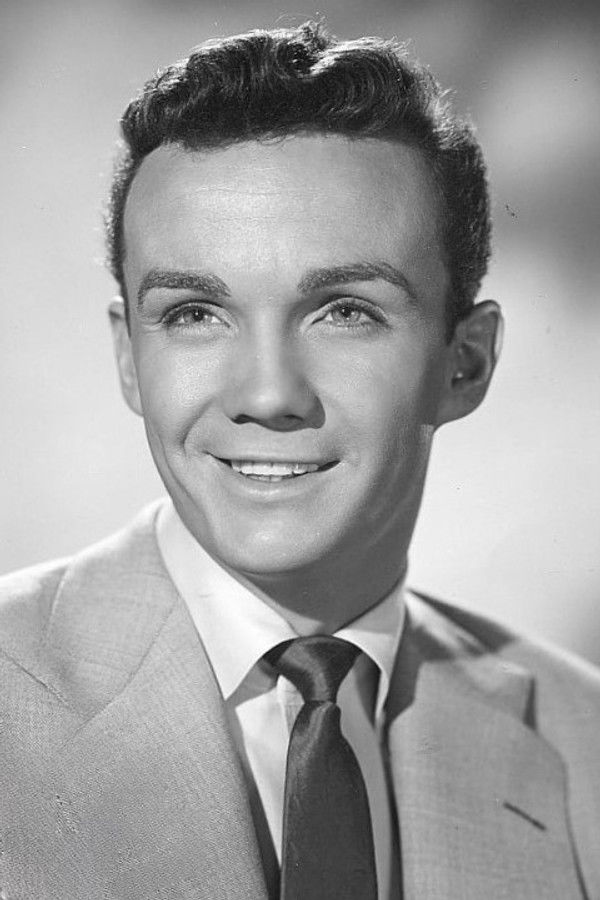
Ben Cooper
Gray Mason
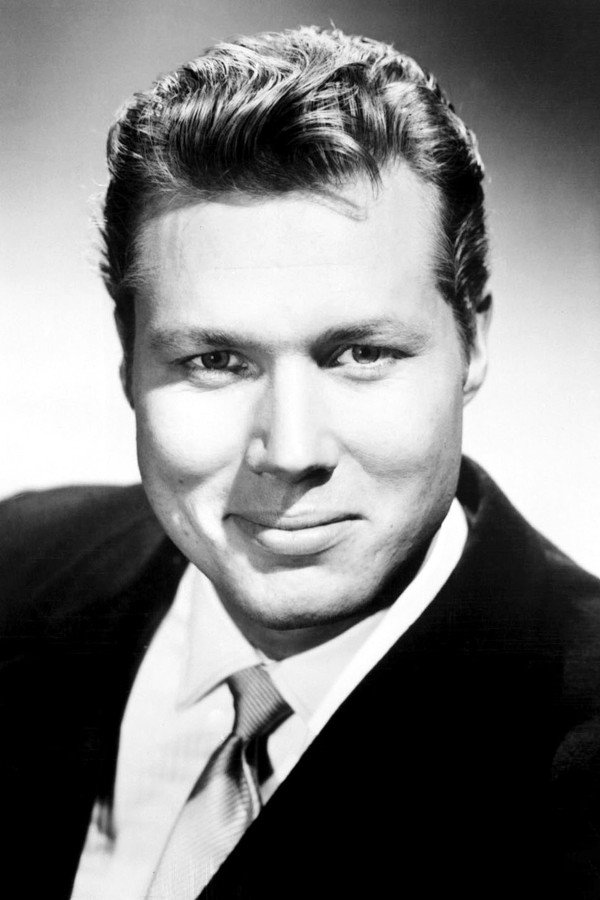
John Smith
Wesley Mason
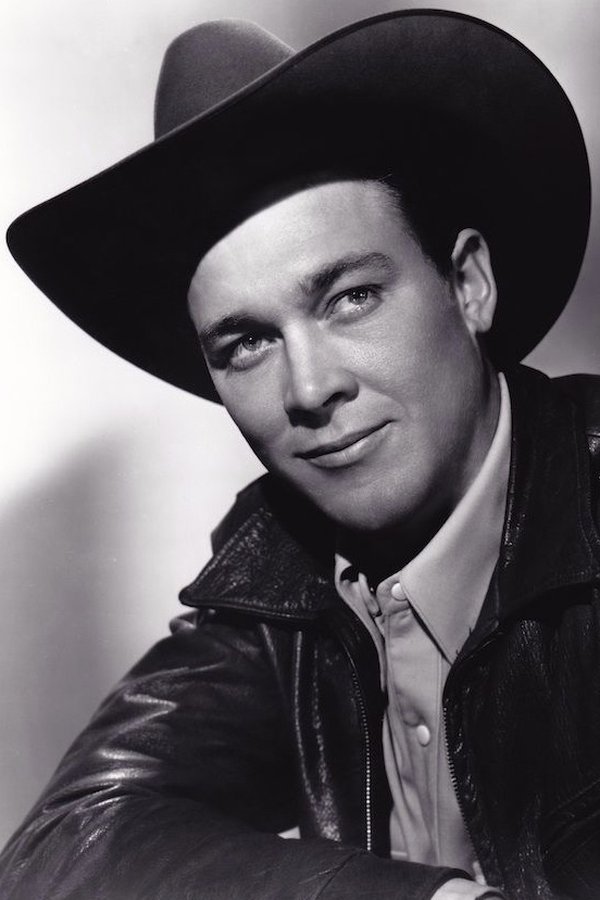
Ben Johnson
Frank Mason
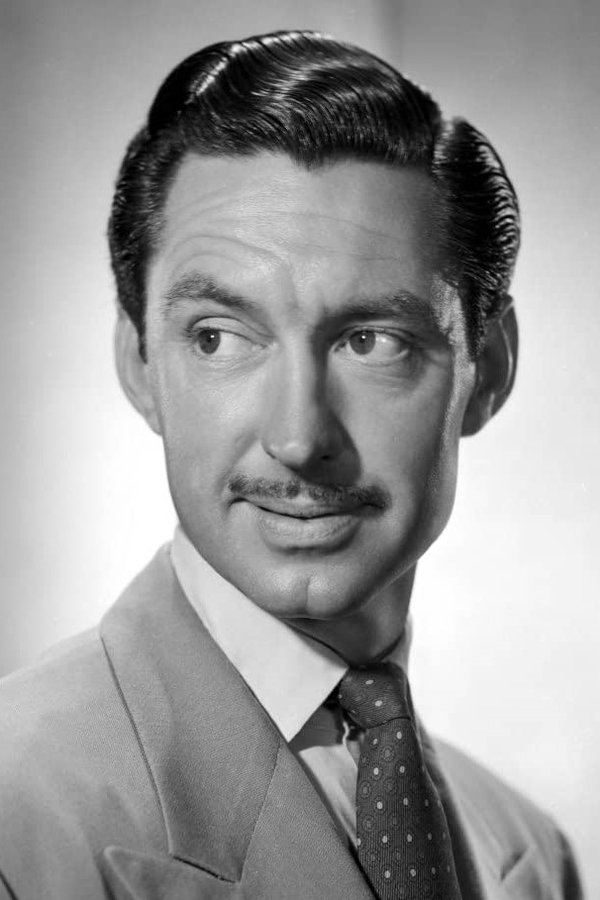
James Griffith
Marshal Adam Russell
Mary Adams
Grandma Ackstadt
Bobby Clark
Peter Willoughby
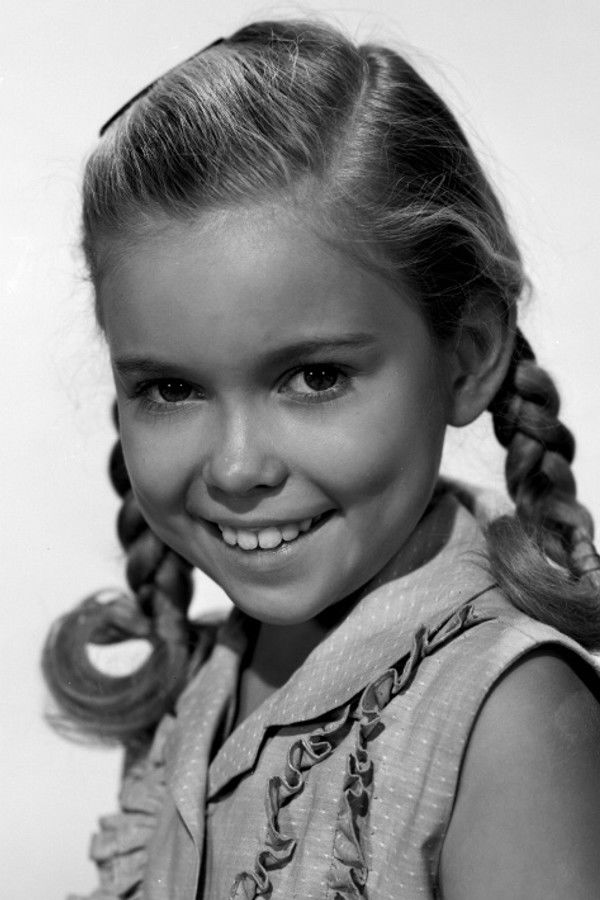
Mimi Gibson
Lisbeth Ackstadt
Sterling Franck
Cain Mason (as Cain Mason)
Dead Poets Society brilliantly combines defeat and optimism, rejection and love, craziness and daring, fear and freedom.
Ian and Barley embark on a quest to find a magical gem to restore their father back to life.
Bollywood's new superhero universe is a romantic, fantasy, and action-packed journey of a young warrior who rises to save the world with superpowers.
Typically in film, characters suffering from mental illness are used as plot devices or exaggerated for comedy. 'The House that Jack Built's representation exceeds in accuracy and realism of OCD.
Four documentaries, now streaming on the Criterion Channel, embody the adopted slogan of the current protest movement: Woman, Life, Freedom
Sorry to Bother You ultimately speaks to the unfair advantages that the country’s power structures award to those with the resources to control others, as Lift’s easy access to the media allows his opinion to be the only one that matters in the eyes of the unsuspecting and easily impressed public. Moreover, it reveals the extent to which the American Dream has any true validity. It postulates how the promise of success and fulfillment as promoted by the American Dream more often than not leads to the undoing of the individual. Interestingly, in its revealing of the American Dream as merely a facade, Sorry to Bother You wisely questions whether or not anything can really be done to undo a system that has been accepted and in action for centuries.