


Dead Poets Society Steals a Queer Story
Dead Poets Society relies on patriarchal tropes such as overbearing fathers, contrived brotherhood, and faux-individuality in order to portray its straight white male characters as oppressed.

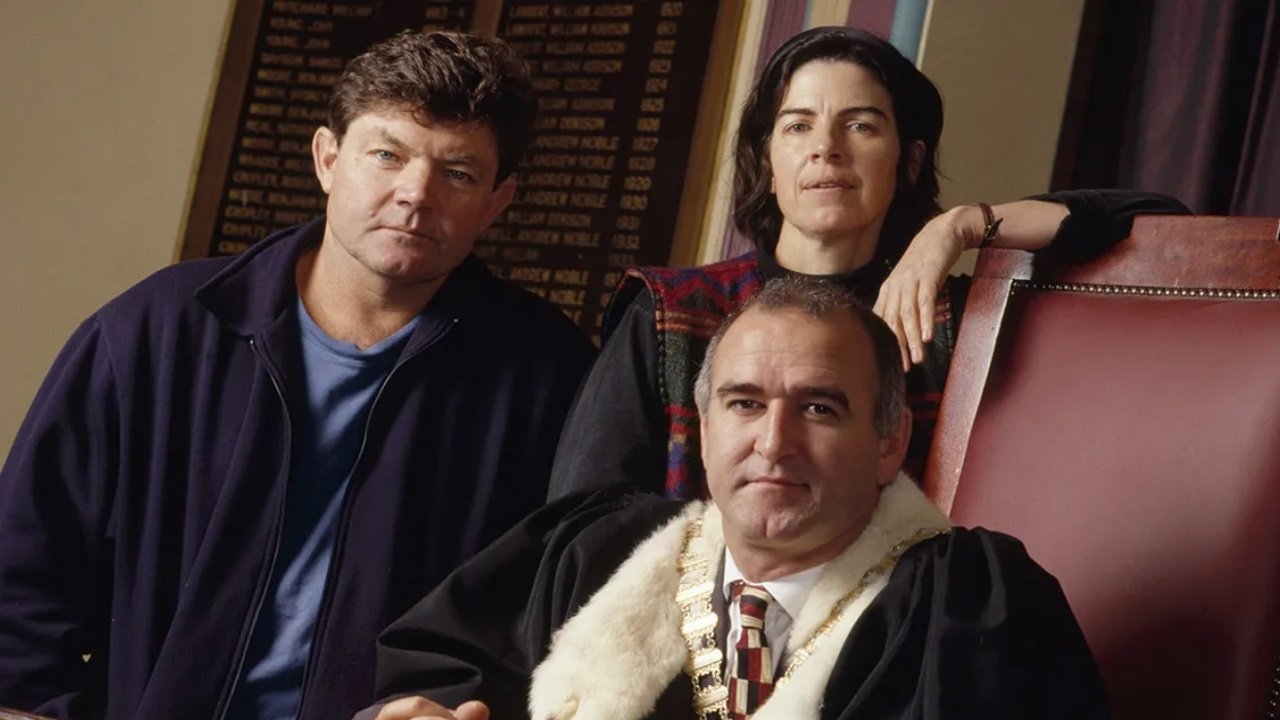
Every September Sydney's inner-suburban Leichhardt Council re-elects it mayor. Incumbent Larry Hand was popular with the citizenry but they don't vote for mayor - the 12 councillors do - and after three years of Larry, at least four councillors were after his job. When film-makers Bob Connolly and Robin Anderson settled in at Leichhardt Council in early 1994 the knives were already being sharpened. A battle royal was in the making, and so it came to pass. By the end of September Larry had fought the fight of his life, with Connolly and Anderson documenting every bit of it on film. Ambition, courage, envy, hatred, loyalty, betrayal, disaster, triumph... in other words, a classic study in politics.
Dead Poets Society relies on patriarchal tropes such as overbearing fathers, contrived brotherhood, and faux-individuality in order to portray its straight white male characters as oppressed.
Spoiler Warning
Remakes. Reboots. Reinventions. Redundancy. It's the common practice in Hollywood of late, sometimes offering us victorious reimagining of what can be considered cinematic classics while also, more often, falling flat on their UN-imaginative faces in utter defeat and lackluster results. Admittedly, with this in mind, I went into the newest incarnation of "The War of the Roses" with typical trepidation and cautious optimism.
This current year, as well as the past several, has seen a slowly building increase in something the horror genre has required for quite a while in this critic's opinion...originality. I've stated before that I am very hard to please when it comes to this vein of the film industry's offerings, always leaning more towards that which sends chills through my very being in lieu of buckets of blood and gore.
If you enjoy Japanese cinema, absurdly violent action films, gangster flicks, or joyfully strange cinema, 'Why Don’t You Play in Hell?' is a must-see.