Writing Great Villains: Why They Shouldn't Be Sympathetic
Writing great villains is about striking a balance between charming and evil, so we love them but also love to see them lose.

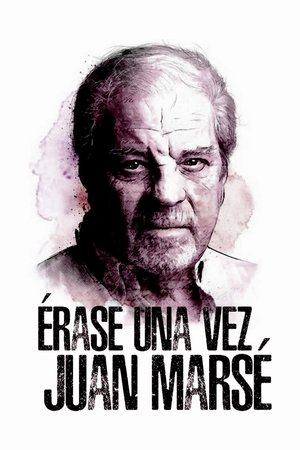


On the occasion of awarding the Cervantes Prize to the Catalan writer Juan Marsé on 23 April 2009, family members, friends and writers offer a sincere portrait of the best chronicler of life in Barcelona, Catalonia, during the post-war period and the worst days of the General Franco dictatorship, in the forties and fifties, and during the economic development and the hard conquest of freedom, in the sixties and seventies.

Pedro Ballesteros
Director

Mercè Montalà
Self - Narrator (voice)

Ramón Canals
Literary Censor (voice)

Juan Marsé
Self - Writer
Berta Marsé
Self - Marsé's Daughter
Sergi Pàmies
Self - Writer
José Martí Gómez
Self - Journalist
Joan de Sagarra
Self - Journalist
Carmen Balcells
Self - Literary Agent

Javier Cercas
Self - Writer
Josep Maria Cuenca
Self - Marsé's Biographer
Gustavo Martín Garzo
Self - Writer
Writing great villains is about striking a balance between charming and evil, so we love them but also love to see them lose.
A young boy who runs away from home discovers friendship when he befriends a young dragon in this animated movie.
A direct fall into the white savior narrative
“Trust your gut" is one of the most common pieces of advice you’ll receive during your lifetime. And as a person inclined to trust my intuition above all else, it’s the most common advice I find myself giving in real life and in my online socialising. But what happens when your gut is trying to warn you that something is seriously wrong without you being able to identify what triggered it in the first place? How can you act on a feeling or make it go away when you don’t have a clue about what could be wrong? How can you trust your intuition when you don’t know what makes it act out in the first place?
Haven't you heard? There's a new horror subgenre: cerebral gore, that's probably been around for decades and we're now just starting to talk about it.
Weird has a name and it's, Weird Al. 'Weird: The Al Yankovic Story' makes you want to "Eat it" then "Beat it".