Migration - Movie Review
This animated movie is based on the migration of birds from the north to the south.
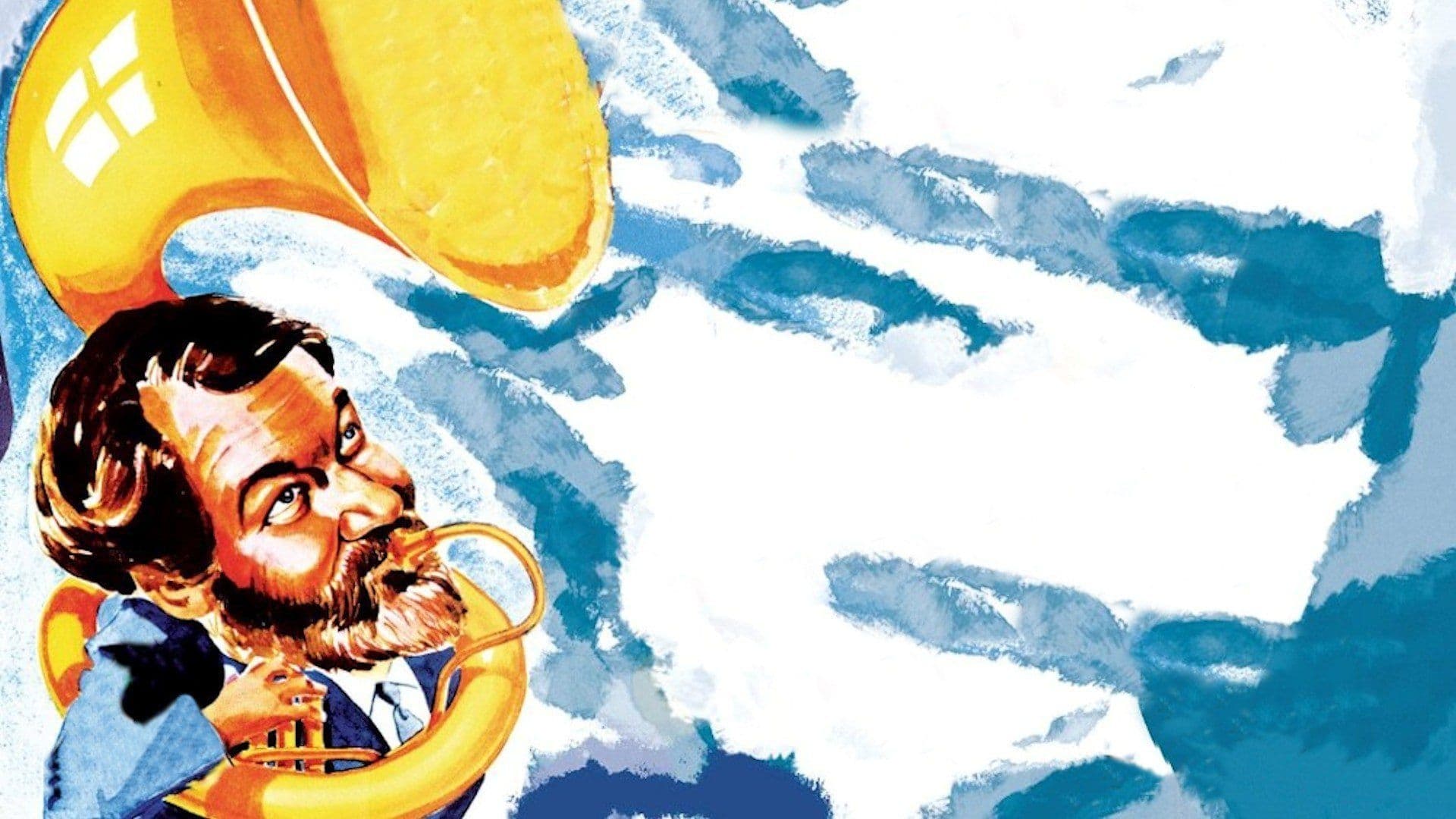
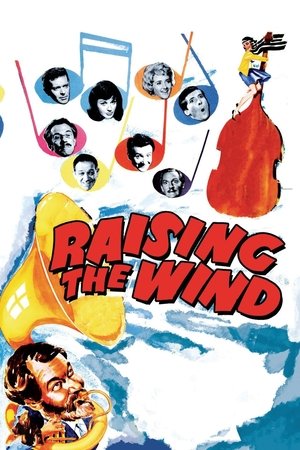


'Carry On' director Gerald Thomas helms this comedy caper featuring early appearances by James Robertson Justice, Sid James, Leslie Phillips, Kenneth Williams, Liz Fraser and Eric Barker. The film follows the hi-jinks of a group of music students who move into a shared flat in order to cut costs and have somewhere to practice their instruments. Things get tricky when Mervyn Hughes (Phillips) accidentally sells one of his compositions to an advertising agency and risks losing his scholarship. Can he and his friends find a way to raise the money to buy back the song rights?
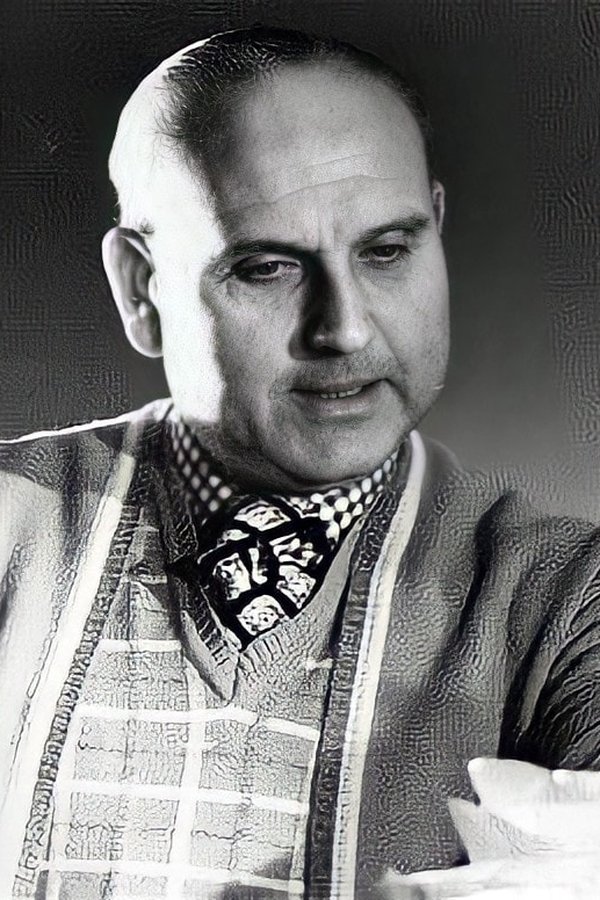
Gerald Thomas
Director

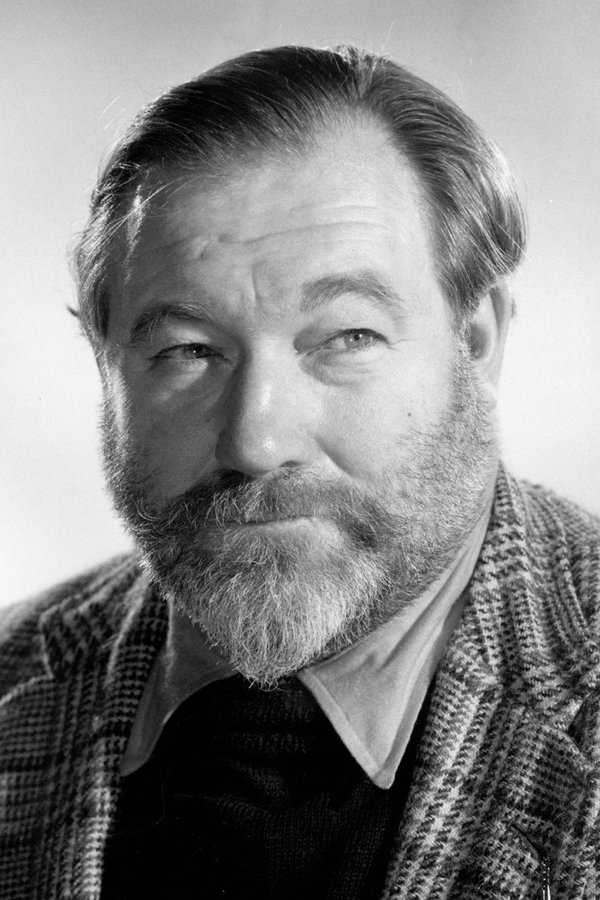
James Robertson Justice
Sir Benjamin Boyd
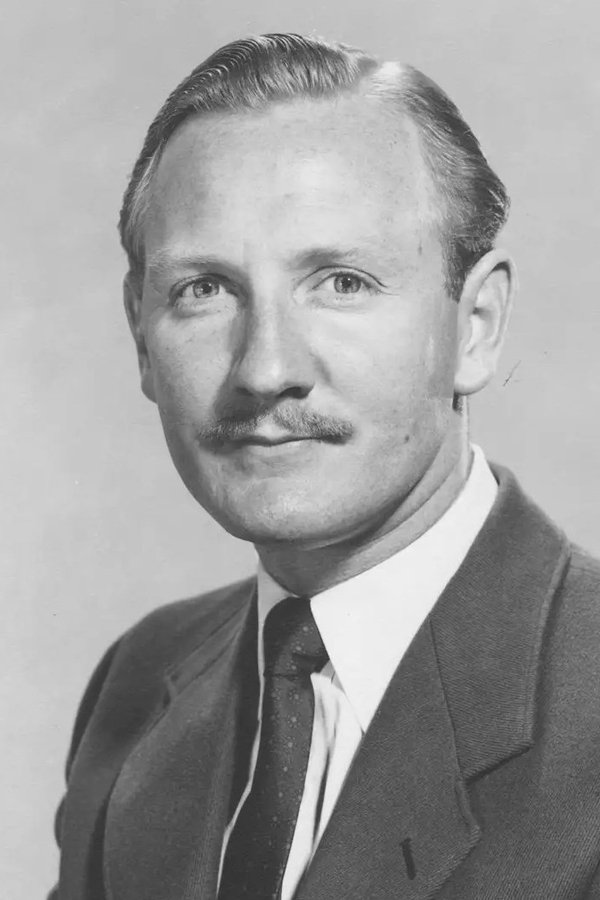
Leslie Phillips
Mervyn Hughes
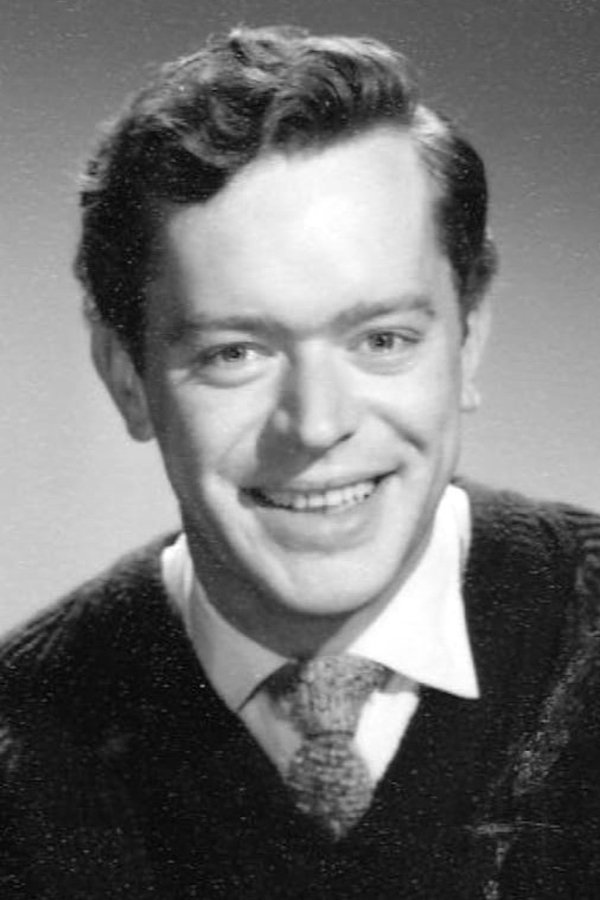
Paul Massie
Malcolm Stewart
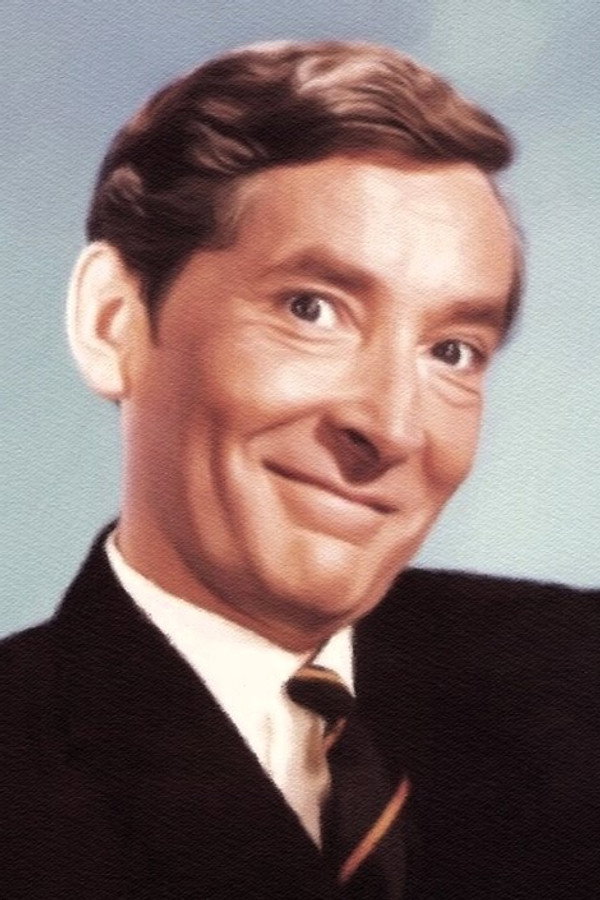
Kenneth Williams
Harold Chesney
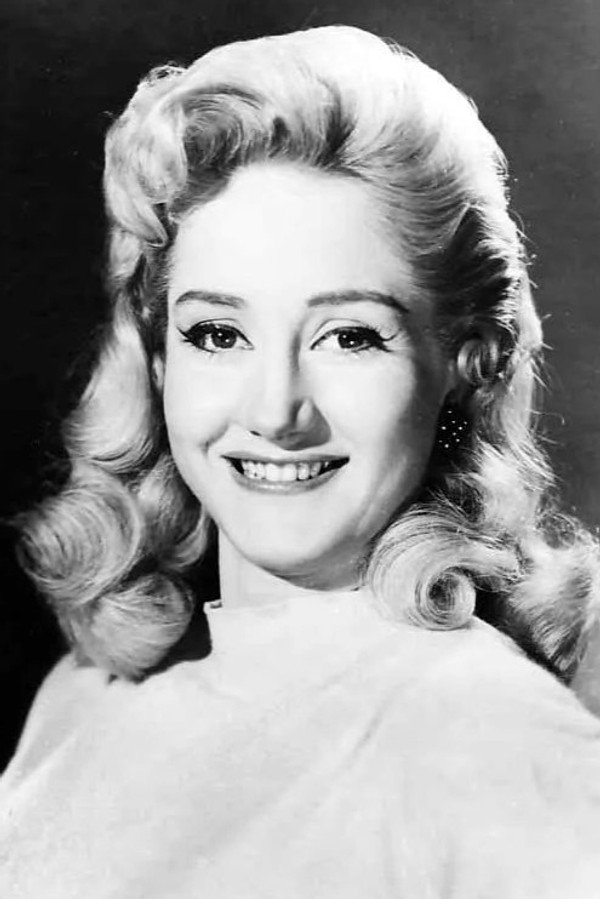
Liz Fraser
Miranda Kennaway

Eric Barker
Dr. Morgan Rutherford

Jennifer Jayne
Jill Clemons
Jimmy Thompson
Alex Spendlove

Sidney James
Sid
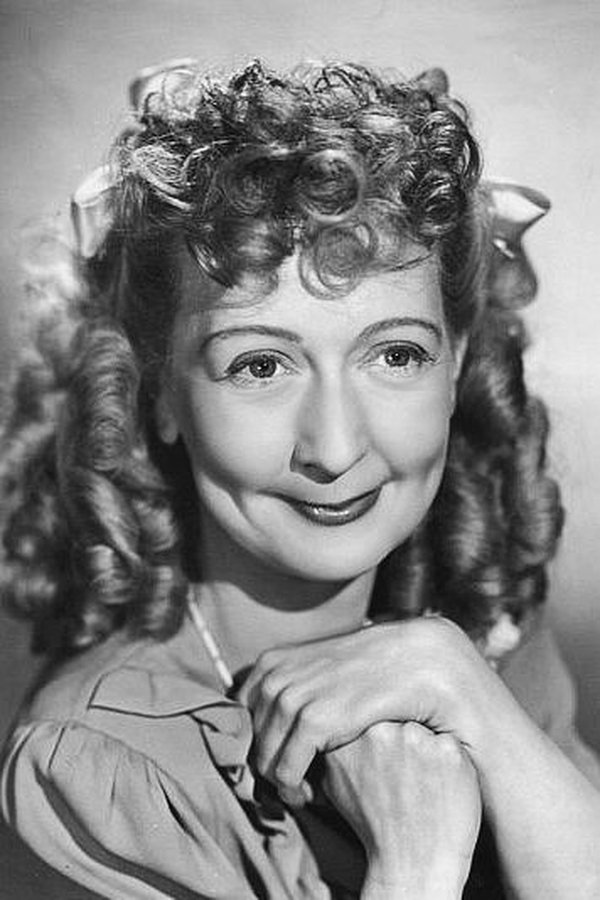
Esma Cannon
Mrs. Deevens
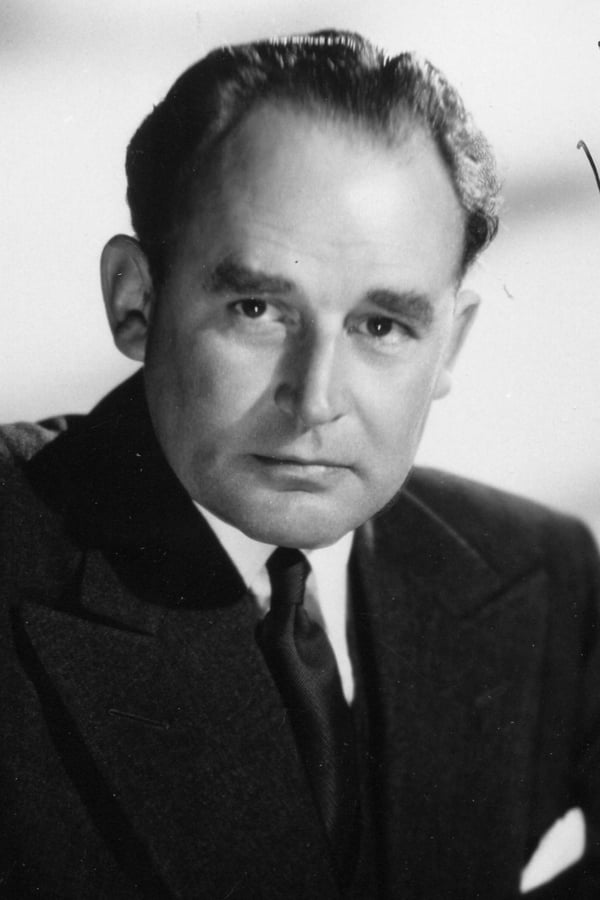
Geoffrey Keen
Sir John
This animated movie is based on the migration of birds from the north to the south.
Adam Sandler goes hard as an NBA scout in this male-heavy sports-drama.
Celebrate Pride with these movies and TV shows available on popular streaming services. (Good news: a lot of them are available for free.)
Sorry to Bother You ultimately speaks to the unfair advantages that the country’s power structures award to those with the resources to control others, as Lift’s easy access to the media allows his opinion to be the only one that matters in the eyes of the unsuspecting and easily impressed public. Moreover, it reveals the extent to which the American Dream has any true validity. It postulates how the promise of success and fulfillment as promoted by the American Dream more often than not leads to the undoing of the individual. Interestingly, in its revealing of the American Dream as merely a facade, Sorry to Bother You wisely questions whether or not anything can really be done to undo a system that has been accepted and in action for centuries.
I think that the happiness and survival of "Wynonna Earp"’s LGBTQ+ characters is incredibly refreshing in contrast to the prevalence of queer suffering and death in other television.
Ultimately the problem with The Bubble is that it plays everything for laughs to get around the audience’s defenses. But it comes off like a privileged white male thinking that ridiculing everyone else equally is the road to equality. And it’s not. And it's definitely not funny to pretend that it is.