

The Night Doctor (2021), a Cannes Hidden Gem
The Night Doctor achieves telling an original story in which the pace accelerates progressively while supported by dark aesthetics.
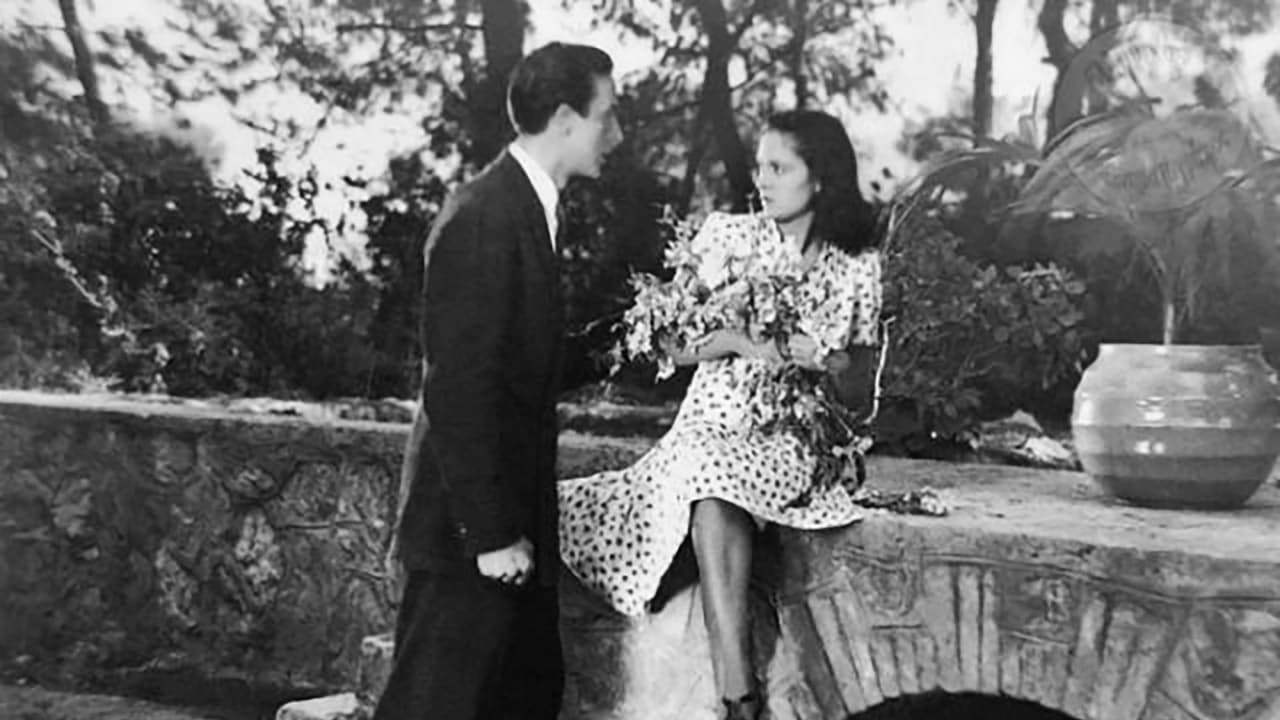
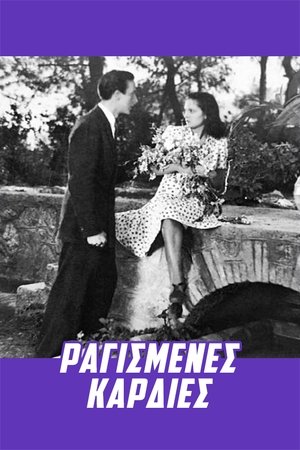


Marios and Louiza broke up because of the war. Marios goes to the front to fight, and Louiza agrees, under pressure from her father, to marry a wealthy man named Alkis, as she believes that Marios has died. When Marios comes back from the front, he wants Louiza back, and he meets with his friend Alkis, who asks him not to contend for the woman he loves. Louiza gets very upset by the new turn of events and loses her memory.
The Night Doctor achieves telling an original story in which the pace accelerates progressively while supported by dark aesthetics.
By undermining the appeal and credibility of black characters, the show compromises the very idea of diversity and representation it sets to promote.
Given that Charlie Cox is having a moment with the rise in interest in 'Daredevil,' let's return to one of his earlier movies: the fantasy romance 'Stardust' where he shines amidst a slew of characters, from a stereotypical witch to a crossdressing pirate.
'My Big Fat Greek Wedding' is a franchise built on inclusive storytelling.
If Top Gun needed to say it, Top Gun: Maverick makes you feel the need... the need for speed.
True crime media is notoriously obsessed with the “missing white woman” trope, and yet the vast majority of American murder victims are male, and well over half are people of color.