




"Supergirl": The Bravery And Ferocity Of Dark Feminine Energy
"Be good. It doesn’t mean you can’t be tough. It doesn’t mean you always have to be nice. Just be good."
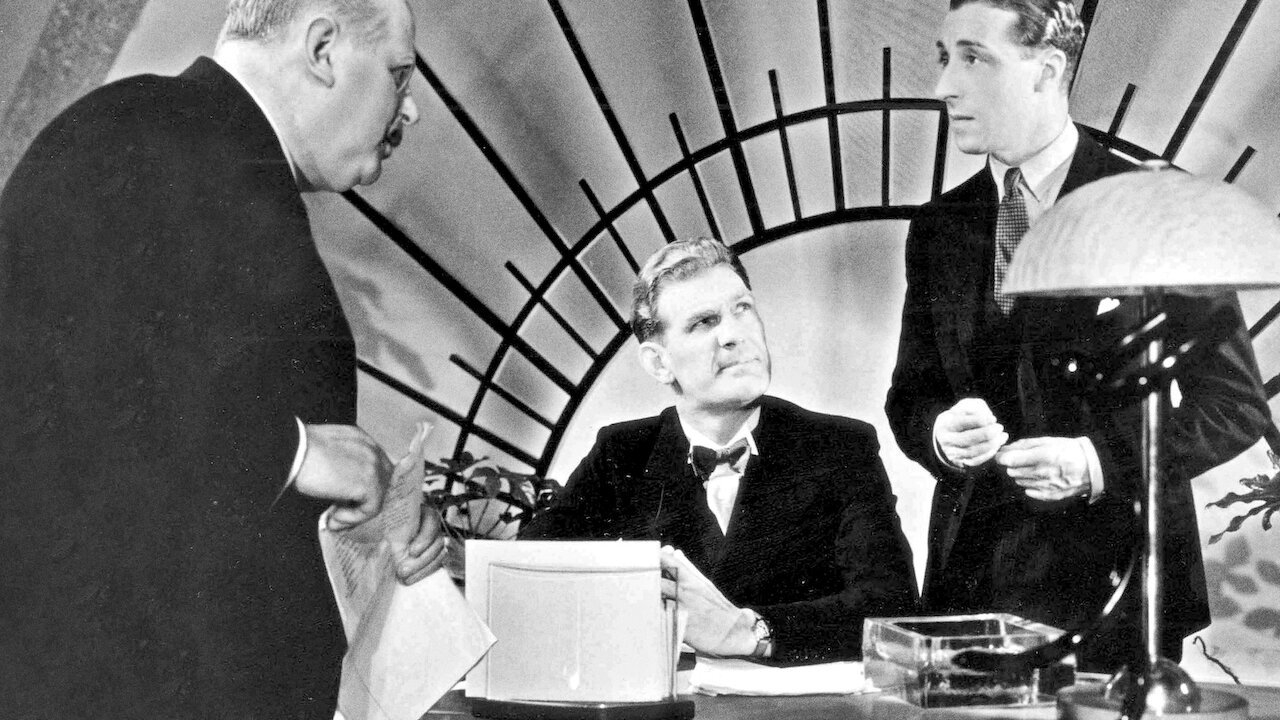
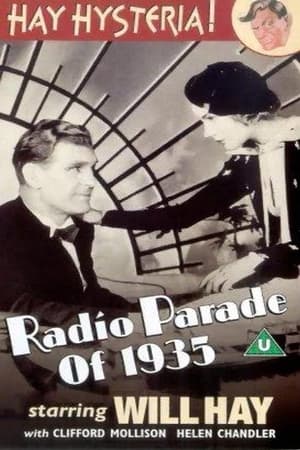


One of the first screen outings for Will Hay. Hay plays the Director General of the National Broadcasting Group (NBG) who hides away in his office unaware that the general feeling about his programming is that it is too high-brow and the public are not happy. However, when he discovers this he decides to take action and promotes Jimmy, his Head of the Complaints Department, to Programme Director. Jimmy decides that a series of variety spectaculars are what the public want and sets about hiring the acts. But obstacles are put in his way and he discovers that the NBG has its own cluster of wannabe variety stars.
"Be good. It doesn’t mean you can’t be tough. It doesn’t mean you always have to be nice. Just be good."
Intergenerational friendships and community can be so powerful, and this was a great example.
"Spider-Man: No Way Home" isn’t just a movie; it’s an experience. It's one of the best superhero movies thanks to the amazing writing, the fantastic performances from the actors, and a healthy helping of fan service.
Welcome to Ryan Reynold's world. Dwyane Johnson, Gal Gadot and us are just living in it. Is he acting? I think he is, it's just the question of it's believable anymore.
The new biopic 'Elvis' highlights the beginning and end of the career of this rock and roll legend. The audience is taken on this journey knowing the tragic ending but not so much about what led him there. A large topic of discussion is the influences on Elvis that made him who he was as a singer, musician, and performer, which were blues, gospel, and country. Many of the songs that rose him to fame were songs by Black artists he heard growing up in primarily Black settings.
From being unfairly outed, to going after the life you want for yourself, these songs from 'Frozen' perfectly capture the journey out of the closet.