



Sick or Evil or Both: “My Friend Dahmer” and the Coverage of White Killers
This HBO mini-series asks why a young white man turned to violence and finds no easy answers. But why do we only ask questions about certain kinds of killers?
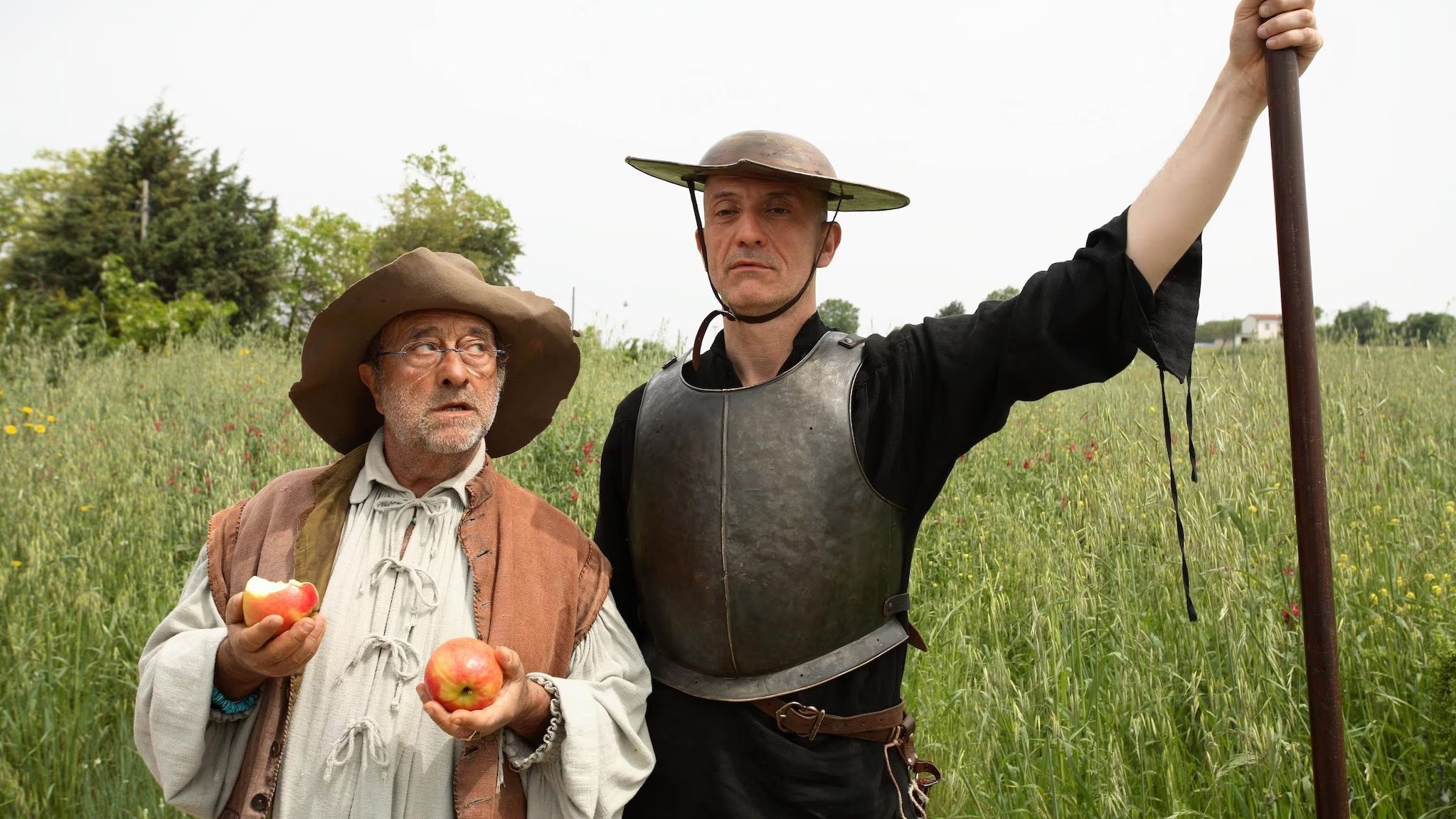
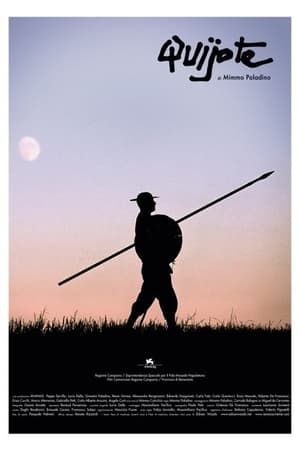


In a landscape of fields and ruins, a group of figures move together, humble and mythical, poetic and popular. They are the characters of a Don Quixote reconstructed within multiple temporal dimensions and different imaginary horizons. Armed with a shield and spear as well as a profound knowledge of 20th-century literature, the Hidalgo of La Mancha comes back to life among pylons and wind turbines, unfinished buildings and archaic sculptures, accompanied by an ironic and sly Sancho Panza. Entrenched with courage in a crazy vision of the world and art, populated by angelic women and storytelling magicians, the knight errant comes to meet death and accept the inevitable mediocrity of reality.
This HBO mini-series asks why a young white man turned to violence and finds no easy answers. But why do we only ask questions about certain kinds of killers?
"Godzilla vs. Kong" is all style and very little substance. It's also the most fun I've had in months.
“Candyman ain't a 'he.’ Candyman is the whole damn hive." Candyman represents all Black victims of white supremacy, and this art form narratively conveys it in a succinct, adulatory way, the history of which is rare to find.
2026 ranks highest in Oscars history for its representation of minorities in all categories, and that’s definitely something to be celebrated.
Tom Clancy's Without Remorse has everything a movie director from the 80’s could wish.
Madres takes place in the 70’s following a Hispanic married couple who move to a migrant farming community. Diana, who is pregnant, starts to become suspicious of their new environment after she and the women around her develop strange symptoms. Could it be a curse, a sickness, or something else?