
Ant-Man: A 2015 Marvel Comics Film
Ant-Man is a 2015 live action film based on the Marvel Comics characters of the same comics series, including Scott Lang and Hank Pym, along with others.
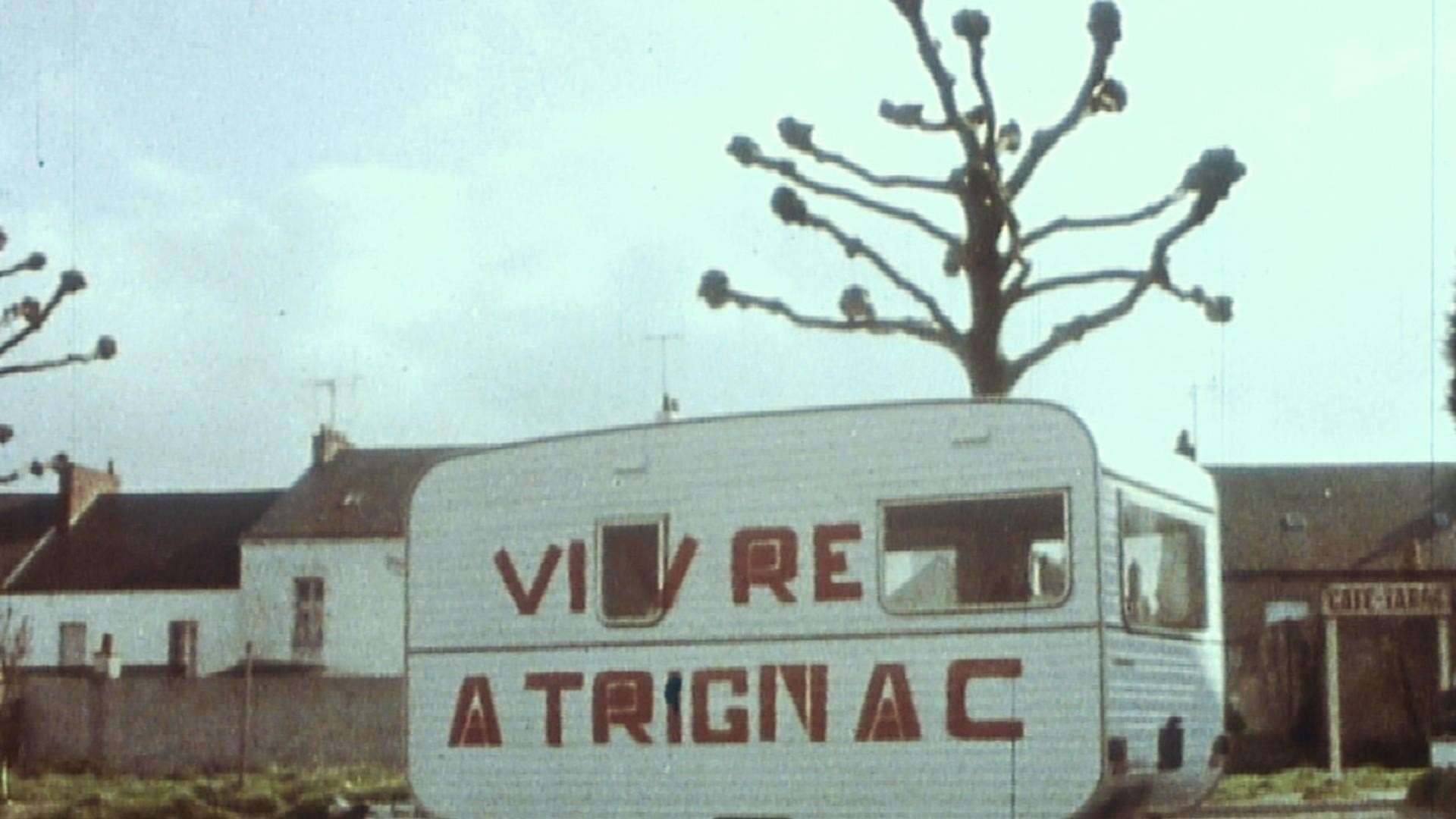
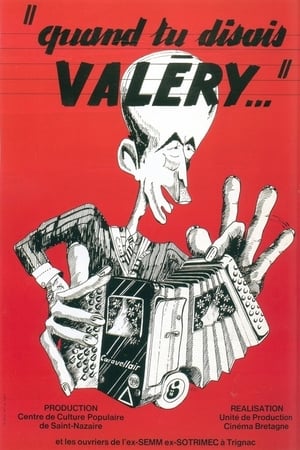


Divided into five parts, this film traces the long strike by workers at the Caravelair caravan factory in Trigniac, near Saint-Nazaire, led by the C.G.T. and C.F.D.T. unions. Shot in 1975, the film achieved the strange feat of being produced entirely by workers' producers - 15,000 of them paid in advance for their tickets - and of being amortized, and even made profitable, by being shown outside the commercial circuit alone.
Ant-Man is a 2015 live action film based on the Marvel Comics characters of the same comics series, including Scott Lang and Hank Pym, along with others.
Throughout Brendan Fraser’s career, he has played a plethora of unique, layered characters who explore the importance of not being afraid to display your emotions, something that is often seen to not be a masculine trait. This idea of regulating emotion and what traits men are able to possess creates a toxic atmosphere for men who are often told they should not cry or represent their emotions in any physical way. These characters represent that men can be joyful, emotionally conscious, and sensitive, while also representing their masculine identity instead of painting those qualities as fighting against their masculinity.
The clever but socially-awkward Tetê joins a new school, and she'll do anything to fit in.
'Playing with Fire' was clearly a film made for a kid or tween-ish audience. Keeping that in mind, I thought 'Playing with Fire' was alright, though it did portray some harmful stereotypes.
Bollywood's thrilling fusion of what the blind man saw and the boy who cried wolf.