Not Much More than Magic in 'Maestro'
In 'Maestro,' we're left with an impression but not with an understanding of the main character.




Ella Fitzgerald's voice is a phenomenon and unrivalled to this day. She had the perfect pitch and perfect intonation. Ella's voice spanned three octaves, her phrasing seemed effortless. There is almost no style of music, in which she did not excel, and her numerous - now legendary - recordings of the 'Great American Songbook' with pieces of US composers such as George and Ira Gershwin, Harald Arlen, Cole Porter or Duke Ellington, remained a benchmark for the "right" interpretation of those songs for generations of singers. In the film the focus will be on the voice of Ella Fitzgerald. We want to unravel the secret of her voice through many different people (musicians, singers, critics etc.), who will tell about what impact her voice had on them and still has. We want to learn more about Ella´s life to find out what made her sing like she did and only she could.

Katja Duregger
Director

Ella Fitzgerald
Self (archive footage)
Jim Blackman
Self - Ella Fitzgerald's friend and road manager
Theo Bleckmann
Self
Regina Carter
Self
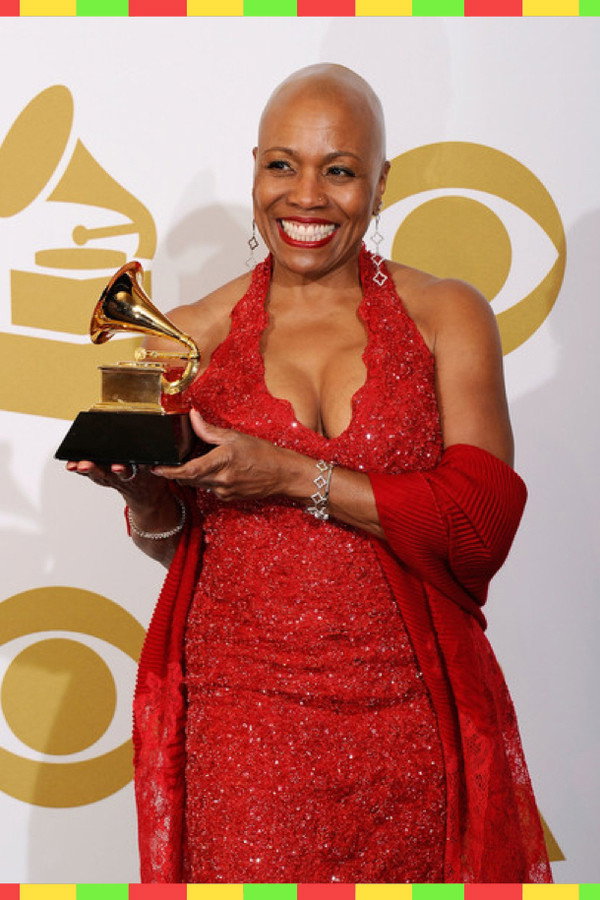
Dee Dee Bridgewater
Self
Terri Lyne Carrington
Self
Will Friedwald
Self - music critic
Tad Hershorn
Self - archivist, Institute of Jazz Studies, Rutgers University
Sheila Jordan
Self

Dianne Reeves
Self
Judith Tick
Self - professor of music history, Northeastern University
In 'Maestro,' we're left with an impression but not with an understanding of the main character.
Another uneven "Guess Who's Coming to Dinner" redux that says nothing novel about its subject matter.
Ever heard of the bad boy type? The type of man who's sexy yet broody, or the type of man who’s dangerous but has a sensitive side? It’s a well-known stereotype that women are attracted to villains. The question is: why are we?
Poor Black characters are usually surrounded by crime and violence, while poor White characters are portrayed as noble and hard-working.
Friendships are tested when two girls have a crush on the popular boy at school.
A few episodes in, I realized the most prominent theme of In The Long Run wasn't culture, race or even finding independence--but the idea of belonging.