
"Opus" Is Fun But Doesn't Know Its Own Motivation
Mark Anthony Green was unable to connect all of the pieces in his debut feature film, leaving Opus as a middling entry in an already oversaturated genre.
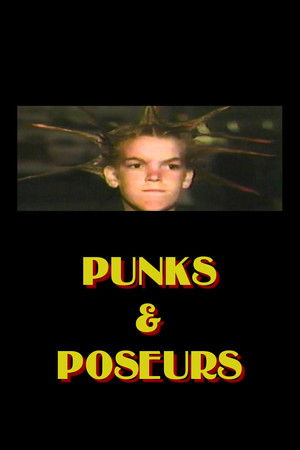


At its core, “Punks and Poseurs” is a narration-free concert film, but it’s cut with terrific interview footage that explores the changing nature of punk, from insider and outsider perspectives. There’s a lot of great footage with writer/performers Pleasant Gehman and Iris Berry, torpedoing the influx into the music scene of neophyte phonies who just didn’t get it, explaining title of the program. (After this first aired in 1985, a bunch of the new waver/Durannie chicks at my high school—which is to say all the girls who were trying their suburban Ohio best to look like Gehman and Berry—started calling everyone “poseurs,” which was pretty funny.) There’s also a hilarious interview with employees at a store called “Poseur,” which sold punk fashions and accessories—people had to get that shit somewhere before Hot Topic forever banished punk to the mall, no? Also keep an eye out for the kid giving a primer on how to fashion liberty spikes with Knox gelatine.
Mark Anthony Green was unable to connect all of the pieces in his debut feature film, leaving Opus as a middling entry in an already oversaturated genre.
‘Candyman’ (2021) builds upon the original 1992 film by presenting the myth of Candyman not only as an example of black pain, but as an opportunity for black vengeance.
The relationship between the characters is what makes this film stand out, and it’s just all-around fun.
This movie is based on the LEGO Disney Princess building set.
Netflix’s new mystery thriller, The Marked Woman (released originally as La Desconocida), is confusing. More critically, though, it commits the worst mistake a movie can make: it’s boring. From Spanish director Gabe Ibáñez, the film squanders its premise at every turn, fills the story with unlikeable characters, and lacks emotional payoff.
A collection of the ten best films that captured William Shakespeare’s pathos the best, both for the diversity they bring, and of course “the aesthetic."