Kill Bill Volume 2 Review: A Worthy Sequel With Hidden Depths
I highly recommend Kill Bill: Volume 2. In classic Tarantino fashion, specific sections of the film are a tad too long, but overall, it’s a wonderful piece of escapist fiction.
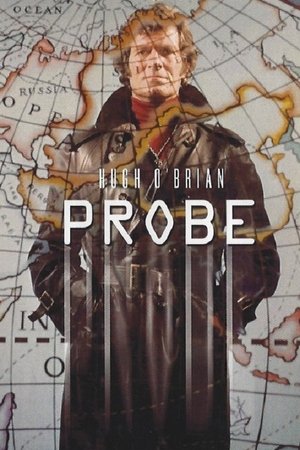


That hipster ring that special agent Hugh Lockwood wears? It's a camera, transmitting image and sound of his surroundings. It's also a scanner, detecting telltale changes in pulse or other biometric readings of himself and the people around him. This ring and more electronic devices -- some embedded -- keep Lockwood linked with Probe Control, where experts and banks of computers provide instant mission-critical warnings, intel, even language translations. In this pilot film for the short-lived series "Search," Lockwood is on a quest to recover priceless diamonds stolen by the Nazis during World War II.

Russ Mayberry
Director

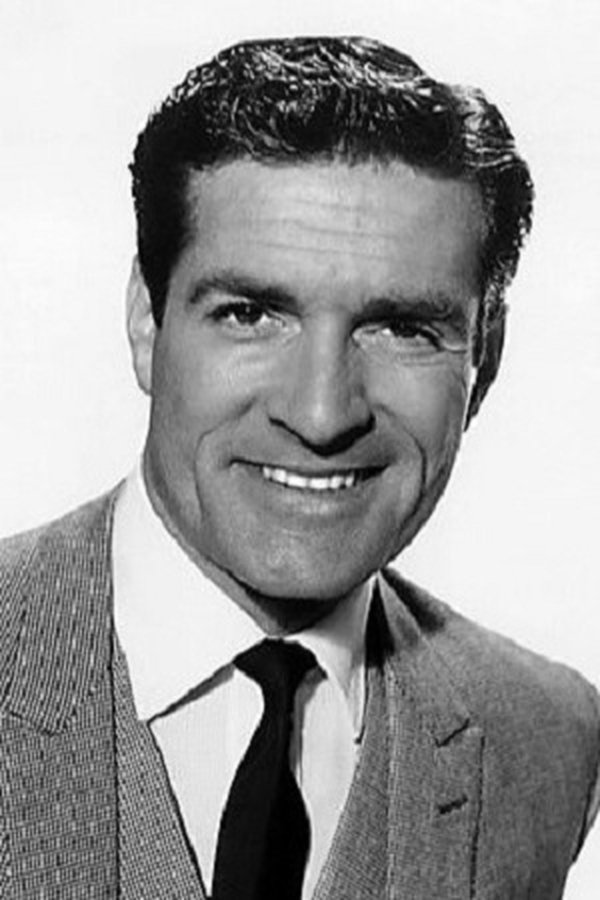
Hugh O'Brian
Hugh Lockwood

Elke Sommer
Heideline 'Uli' Ullman
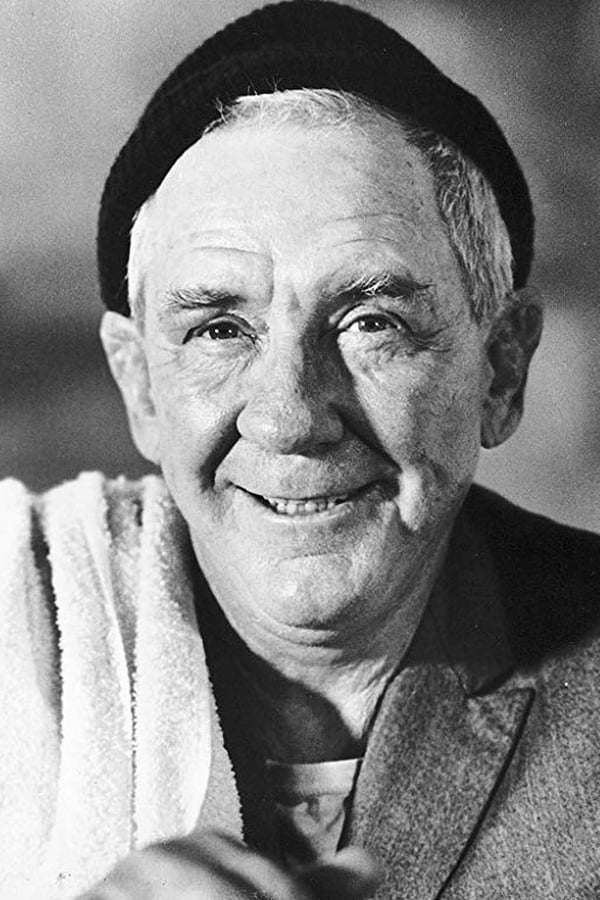
Burgess Meredith
V.C.R. Cameron

Lilia Skala
Frieda Ullman

Angel Tompkins
Gloria Harding
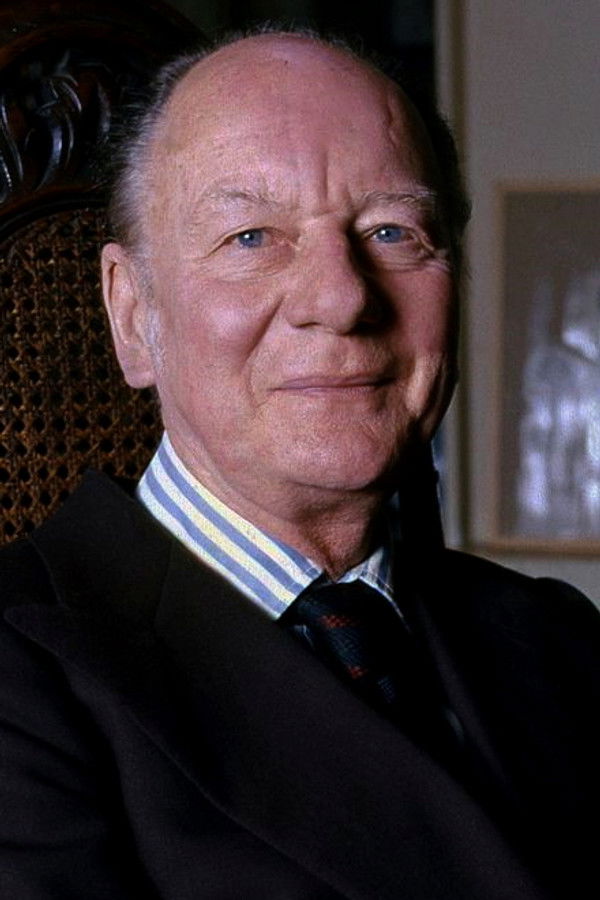
John Gielgud
Harold L. Streeter

Kent Smith
Dr. Edward Laurent

Alfred Ryder
Cheyne

Ben Wright
Kurt van Niestat
Robert Boon
Felix Ernst

Albert Popwell
Dr. Griffin
I highly recommend Kill Bill: Volume 2. In classic Tarantino fashion, specific sections of the film are a tad too long, but overall, it’s a wonderful piece of escapist fiction.
Liar, Liar, Vampire takes a bite out of clichés in romances between vampires and teenagers. Anything but boring and dripping with fun, it's a Halloween story with a twist.
Frozen II is not quite direct to DVD Disney sequel level, but if it wasn’t for the spellbinding animation and budget, it certainly would be.
Mr. Malcolm's List is a pleasant promenade through a fantasy Regency-era England filled with people of color. For fans of Bridgerton, this is the PG version of the show, but with completely colorblind casting and a much lighter tone.
While it is more than established that Halston’s life is far from a fairytale, the narrative suffers as a result of the decision to revolve more around sex and drugs than his artistry, it likely does a disservice to his cultural impact by pulling focus from his achievements.
Sorry to Bother You ultimately speaks to the unfair advantages that the country’s power structures award to those with the resources to control others, as Lift’s easy access to the media allows his opinion to be the only one that matters in the eyes of the unsuspecting and easily impressed public. Moreover, it reveals the extent to which the American Dream has any true validity. It postulates how the promise of success and fulfillment as promoted by the American Dream more often than not leads to the undoing of the individual. Interestingly, in its revealing of the American Dream as merely a facade, Sorry to Bother You wisely questions whether or not anything can really be done to undo a system that has been accepted and in action for centuries.