






Women in Marvel: Marvel Films and TV Shows Dominated by Women
As many of us know, Marvel Studios has taken an interest in women-led superhero films, but some of us are oblivious to the women behind the camera and pen.
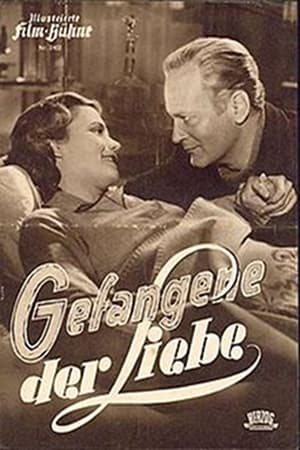


Willi and Maria Kluge married in the final days of World War II. Maria is deported to a camp in Siberia and does not return home until eight years later. She brings with her the child of a fellow prisoner, whom she gave birth to in the camp. This is a heavy blow for her husband Willi, who has been waiting longingly for her, but he takes her and the child in. She struggles to regain his love and trust, and eventually his masculine generosity prevails.
As many of us know, Marvel Studios has taken an interest in women-led superhero films, but some of us are oblivious to the women behind the camera and pen.
If you want to feel the rush, you have to take the risk.
In all honesty, “Black and Blue” is a satisfying experience, complete with solid craftsmanship. With the help of cinematographer Dante Spinotti, Deon Taylor (the director) creates a murky, lived in atmosphere.
Netflix’s Shadow and Bone has a complicated relationship with race. It has a diverse cast, but not without its problems. Based on Leigh Bardugo’s two book series, the show features characters from the Shadow and Bone trilogy, which is very straight and white, and the Six of Crows duology, which is much more diverse. When bringing together a cast and writing about these characters, the team behind the show expanded upon some of the representation missing from the first trilogy, then seemed to take away representation from the duology. Shadow and Bone seems to play a bit of a push and pull game when it comes to portraying diversity onscreen.
Every movement becomes a question of identity. To become who we are meant to be. In order to reach that we often have to shed who we once were, and that shedding can sometimes be so brutal it’s ungraceful.
The history of Hollywood is as ugly as it is beautiful. Most notably absent from Hollywood history are Black-produced films. “They’ve Gotta Have Us” explores the rise of Black cinema.