
Writing Great Villains: Why They Shouldn't Be Sympathetic
Writing great villains is about striking a balance between charming and evil, so we love them but also love to see them lose.
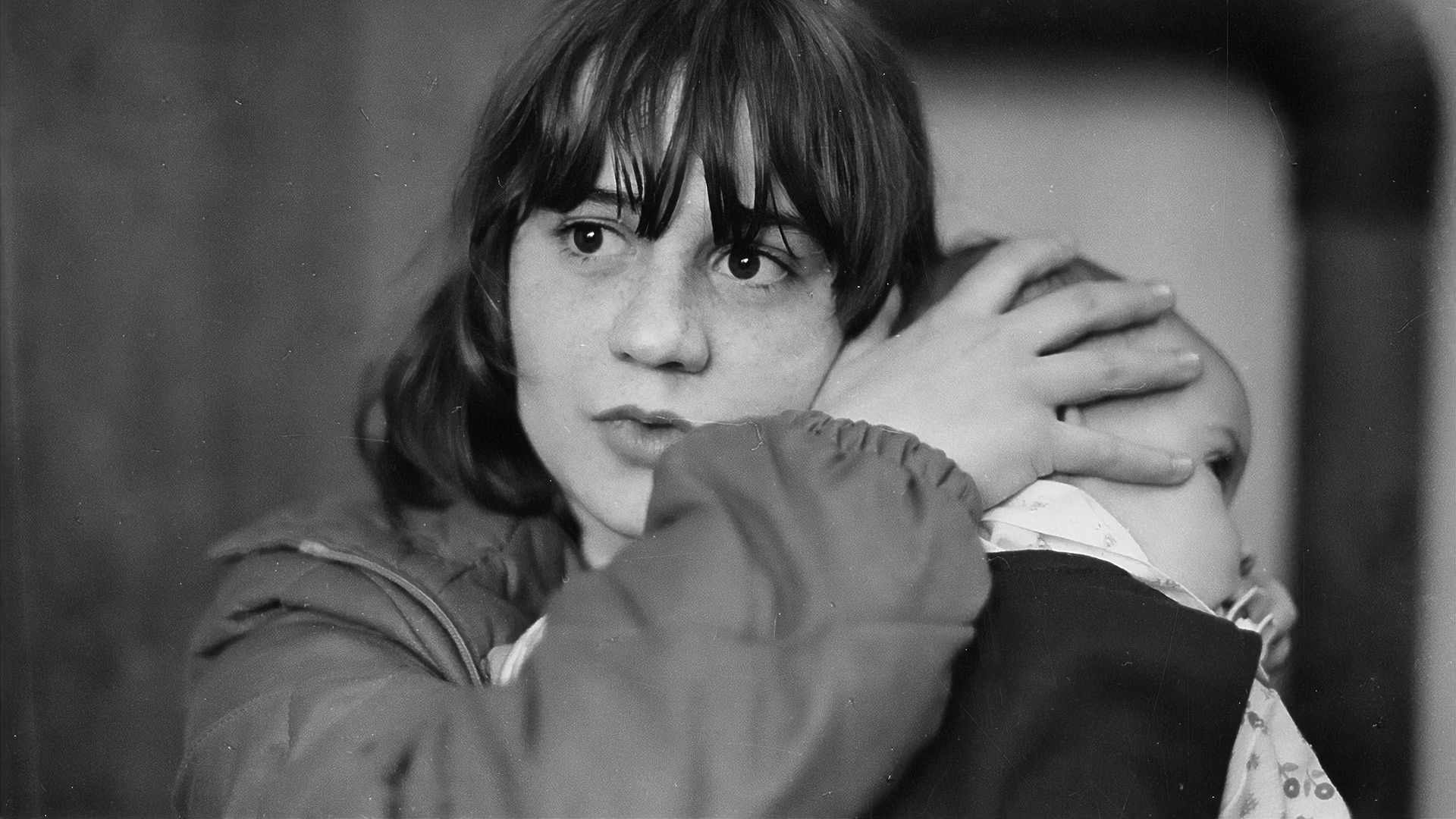
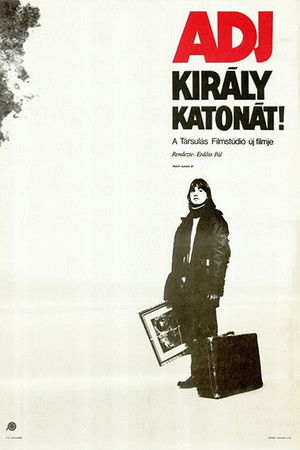


Fifteen-year-old Jutka and her friend Zsuzsa leave their rural village for Budapest to work in a textile factory and seek independence. Their pursuit of freedom quickly unravels as they face the grim realities of industrial life, a transition compounded by Zsuzsa's unplanned pregnancy and Jutka's own search for stability in a harsh environment.
Writing great villains is about striking a balance between charming and evil, so we love them but also love to see them lose.
Based on the bestselling memoir, viewers get a glimpse of the challenges of autistic people.
The Roses is a wickedly sharp marital warfare comedy that transforms domestic dysfunction into high art. Olivia Colman and Benedict Cumberbatch deliver powerhouse performances as a couple whose fairy-tale romance implodes when his architectural career collapses just as her culinary empire takes off. What makes Jay Roach's remake so devastatingly effective is its refusal to pick sides—both spouses are equally sympathetic and monstrous, wielding Tony McNamara's razor-sharp dialogue like weapons forged from shared intimacies. It's a film that dares you to laugh at relationship wreckage while forcing you to confront the uncomfortable truth that the line between passionate love and mutual destruction is terrifyingly thin.
Spiral could easily spawn new sequels and will most likely churn a decent profit. Is it a good Saw film? Absolutely. Could it have been revolutionary though? Also yes.
Andor is an origin story where each side will do whatever it takes.
The film illustrates the life of a single who struggles to provide an ideal childhood for her two daughters.