


'How Power Looks' — MiamisFF Review
Praising Black representation and condemning the power structures that suppress it, a mother delivers an impassioned speech to her distant son.
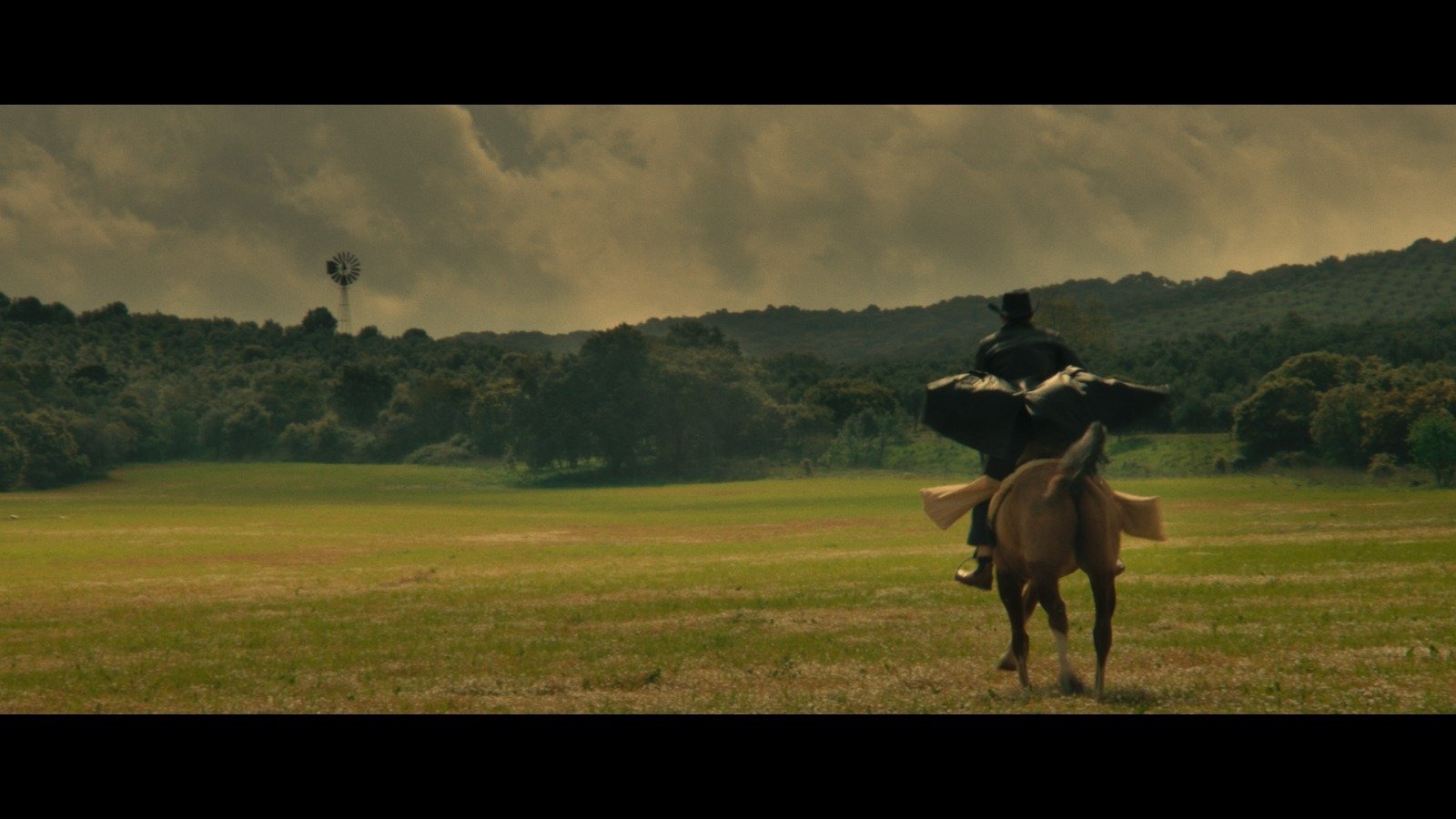



An old gunman travels the Alentejo in search of revenge, accompanied by the mute daughter of one of his targets.
Praising Black representation and condemning the power structures that suppress it, a mother delivers an impassioned speech to her distant son.
If the message here is that without a support system, grieving people turn into monsters, it’s not really well-delivered and may be flawed as a message itself.
When the retelling of the Cinderella fairy tale and a holiday spirit come together, viewers learn about class issues as well as perseverance despite setbacks.
Korean pop culture has mastered emotions as both a scientific field and an artistic revolution. Think of how K-Pop and K-Dramas have taken over the world. How? Simply put — they are addictive. How are they addictive?
While everyone was going gaga over The Odyssey, Desert Warrior was quietly taking audiences on an epic Arabian “knights of the sand table” adventure
Sorry to Bother You ultimately speaks to the unfair advantages that the country’s power structures award to those with the resources to control others, as Lift’s easy access to the media allows his opinion to be the only one that matters in the eyes of the unsuspecting and easily impressed public. Moreover, it reveals the extent to which the American Dream has any true validity. It postulates how the promise of success and fulfillment as promoted by the American Dream more often than not leads to the undoing of the individual. Interestingly, in its revealing of the American Dream as merely a facade, Sorry to Bother You wisely questions whether or not anything can really be done to undo a system that has been accepted and in action for centuries.