
“East of Eden”: Women Can Be Monsters Too, and It’s Time We Acknowledge It
Amid the ongoing debate surrounding Christa Pike’s death sentence, watching East of Eden, which shows that women can be monstrous too, is definitely refreshing.
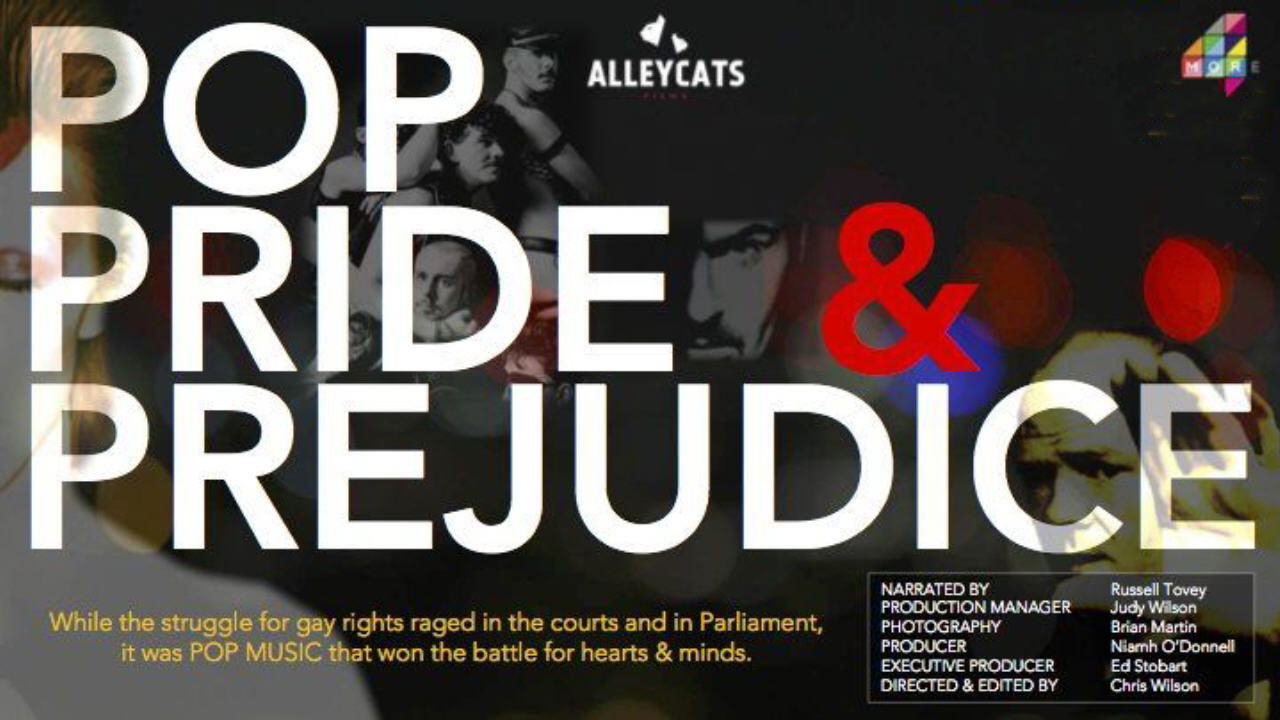



The story of the vital role played by pop music in the social, sexual, cultural and political revolution 50 years ago as homosexuality was decriminalised.
Amid the ongoing debate surrounding Christa Pike’s death sentence, watching East of Eden, which shows that women can be monstrous too, is definitely refreshing.
When it comes the horror genre, I am VERY hard to please or impress, much less scare. Coming from a current mindset of appreciation for chilling, unsettling, tension-inducing efforts such as "Hereditary", "The Conjuring" (ONLY the first one to date, mind you), "Lights Out", "The Babadook", "Midsommar", "Talk To Me", "Oddity", "Bring Her Back", and the like
Complex relationships between mothers and daughters are far from a new concept, whether the strain comes from abandonment, beliefs, or trauma. In My Only Wish, an Incluvie Film Festival submission, Brenda Gutierrez’s take on her character’s maternal divide comes in the form of abandonment.
Seriously, and this is coming from someone who was extremely skeptical before giving it a watch. I assumed the show would be painfully boring, but one of the show's strongest qualities is you needn't know anything about the lore to get invested in it.
The more biting satire is reserved for those on top of the power structure, such as the police, while those occupying lower levels are given more nuance and likability, even if they operate on the wrong side of the law. This principle gives Deep Cover its heart.
Spoiler Warning