
What We Do in the Shadows (of Our Closet Walls)
There’s enough evidence to insinuate that What We Do in the Shadows is intentionally queer-coded.
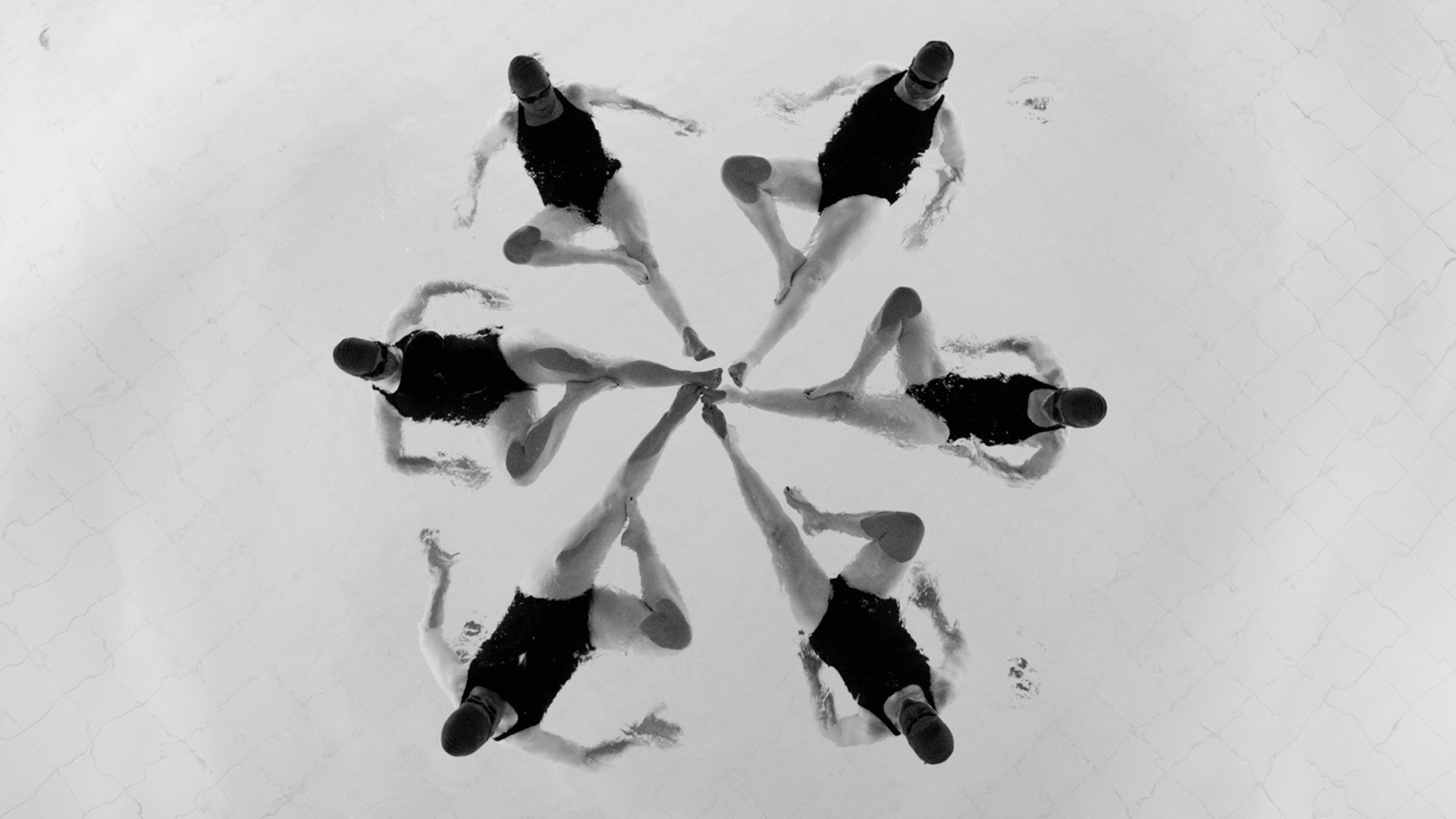
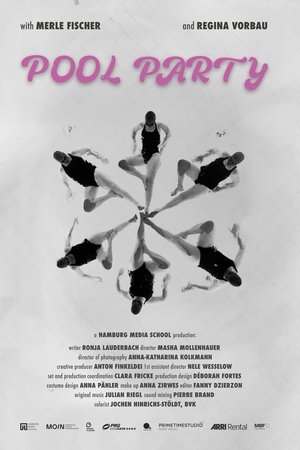


Wow, what a great bikini! Fifteen-year-old Maya stops in front of the shop window. She simply has to have it! She tries it on - it fits like a glove. And yet doubts creep in: The doll in the shop window looked great in it. But her? A little too much roll here, not tight enough there - Maya is unsure. When she gets to the swimming pool, she doesn't even want to take off her towel. Until she sees a group of women romping around the pool: laughing happily, all of them not model-sized - and so beautiful. So should she...?
There’s enough evidence to insinuate that What We Do in the Shadows is intentionally queer-coded.
When you think of the horror genre, the LGBTQ+ community is probably one of the last things you think of. However, horror is much more queer-coded than you may think.
Street Fighter cannot be genuinely recommended, even if it is abundantly clear that much effort was expended.
"Black Widow" has strong female characters but sidelines its title character and serves as a launchpad for her successor, Florence Pugh's Yelena.
'Easy A' is emblematic of a world that liked to sarcastically pretend it was progressive but wasn’t actually ready for that change, making it pretty anti-sex.
Disney has long since had a reputation for creating underwhelming sequels. Is Zootopia 2 any different?