

Writing Great Villains: Why They Shouldn't Be Sympathetic
Writing great villains is about striking a balance between charming and evil, so we love them but also love to see them lose.
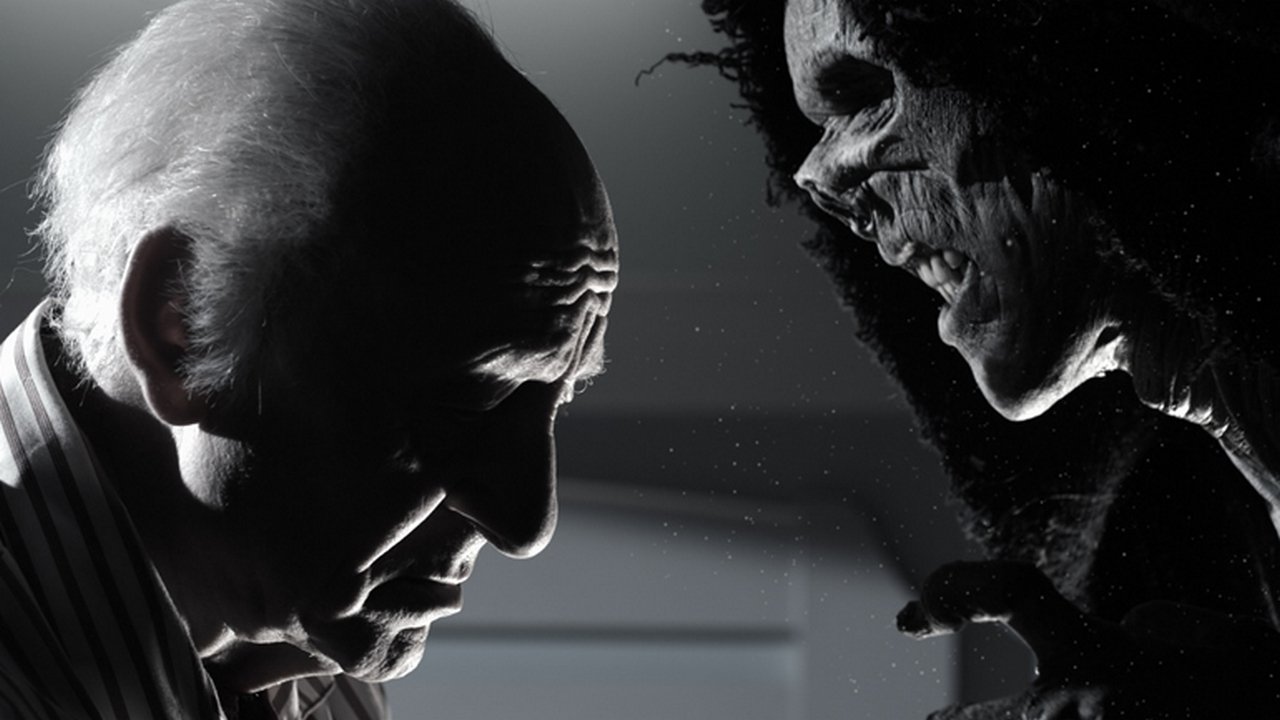



The family of Eusebio, a sick old man, believes that he has begun to lose his mind and that the stories he tells, which nobody listens to, are those of a crazy person.
Writing great villains is about striking a balance between charming and evil, so we love them but also love to see them lose.
Ruben Östlund muses about his characters, “As soon as you get close to a person, you see them as just another human being”. It is widely recognized that aboard the luxury yacht in ‘Triangle of Sadness’, the different groups of people represent a small society as a commentary on classism and gender binaries.
Ultra-violent storytelling has never been my thing, but the issues with Scarface go beyond that. The film perpetuates harmful stereotypes about Latinx immigrants and uses gore and misogyny for shock value that never serves any purpose. The whole venture is frustratingly empty, and left me desiring something more.
The accountant in question is Christian Wolff (Ben Affleck), who’s neurodivergent. We know this because at a dating event, he bores women with tax advice. He also places his breakfast foods in neat stacks and has no friends.
Ralph and Vanellope unpack lots of surprises for those who love going on the Internet.
Films staring black transgender actresses/actors are few and far between, it’s refreshing to see a demographic represented in film that hardly gets any attention. This is especially important as the Black trans community has been shown in studies to face the highest level of discrimination amongst general trans and non-binary groups. That is why it’s so crucial that we amplify their voices through any way we can, storytelling being a great medium to do so.