







I'm a Friend Of Dorothy - Judy Garland as a Gay Icon
A code adopted by gay men and LGBTQ+ individuals in general to subtly disclose your identity to another, “friend of Dorothy” is widely considered to originate with Judy Garland.
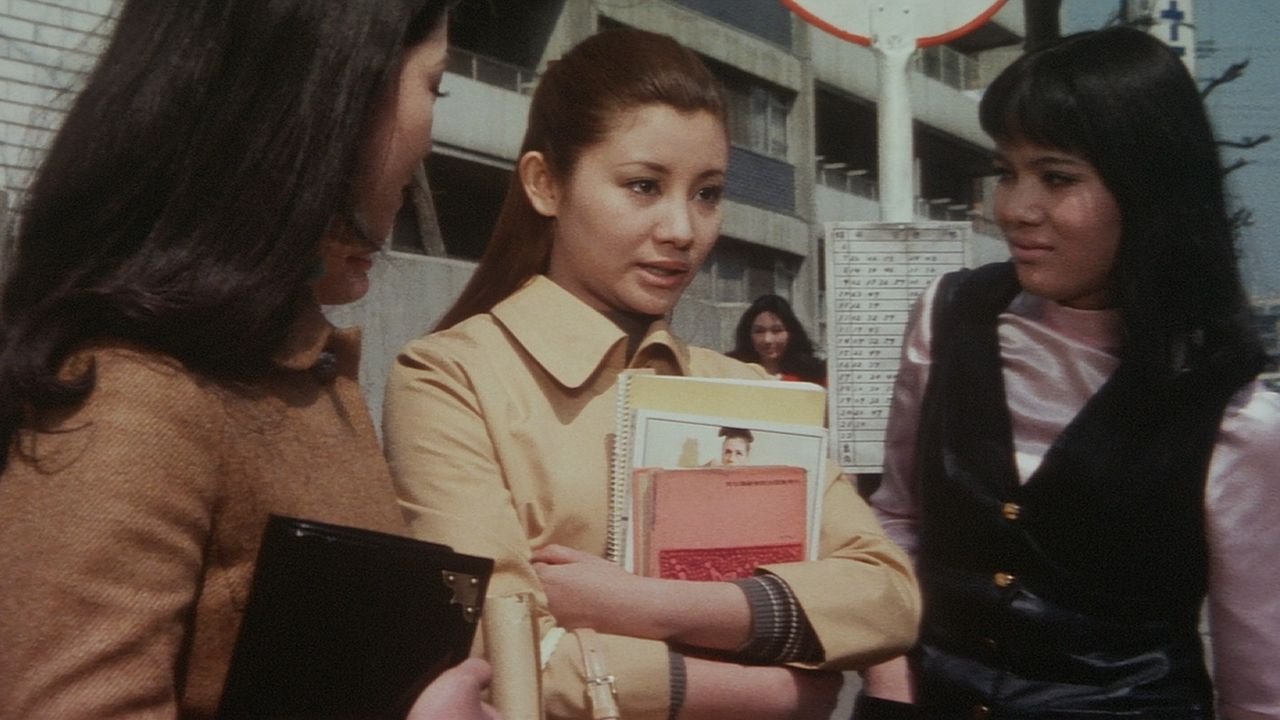



This Japanese melodrama chronicles the exploits of a geisha's beautiful daughter. The daughter is the geisha's pride and she spares nothing to insure that she has a bright future. But the hard-working young woman's dreams of becoming a dressmaker are shattered.... She then becomes a nightclub hostess who plays cards with male patrons using her body as the prize.
A code adopted by gay men and LGBTQ+ individuals in general to subtly disclose your identity to another, “friend of Dorothy” is widely considered to originate with Judy Garland.
Suppressed intergenerational family trauma and healing, warm welcome to the Marvel Cinematic Universe team, and Awkwafina's humor really make this film the real MVP.
Mona Fastvold’s nineteenth century lesbian romance is emotionally charged, restrained, and poetic without feeling forced.
Michael Shanks’ Together is a queasy, hilarious, and surprisingly heartfelt body-horror trip that fuses love and terror in the most literal sense. Starring real-life couple Dave Franco and Alison Brie, this midnight gem twists Plato’s soulmate myth into a gory, darkly funny tale of codependency, cults, and chainsaws — equal parts romance and nightmare.
‘Sexy Beasts’ promotes itself as different from other dating shows as being not appearance-based. This is true to some extent thanks to the special effects makeup. However, looks do still play a role despite the masks.
Ricky Staub’s Concrete Cowboy, based on Greg Neri’s novel "Ghetto Cowboy", tells the story of a young teenager forced to adapt to a new lifestyle.