
Gemini Man Review: A Poor Utilization of a Promising Cast
You can have the best filmmaker and cast in the world, but if the script is lacking, you’re in a troublesome state. Such is the case with Gemini Man, a film full of tremendous artists.
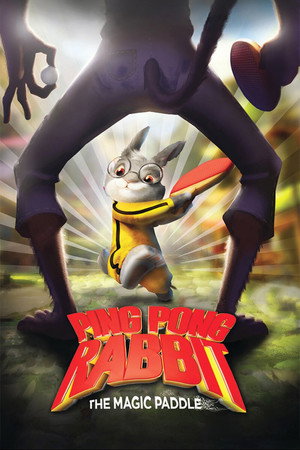


With dreams bigger than his small stature, a rural rabbit named Robb hurls himself in pursuit of his province’s biggest prize, a storied ‘Jade Table’ awarded annually to the finest ping pong player in the land. Standing in his path is the fact that rabbits don’t play ping pong, and the province’s perennial champion is a ruthless monkey who uses the Jade Table to amass power and wealth, with no plans to relinquish either. Robb must prove that rabbits will no longer run scared, and that his improbable ping pong dreams will change not only his future, but also the fate of his entire province.
You can have the best filmmaker and cast in the world, but if the script is lacking, you’re in a troublesome state. Such is the case with Gemini Man, a film full of tremendous artists.
A reboot series based on the popular original Nick teen sitcom of the same name.
Mahershala Ali and Naomie Harris, with an economy of language, but a world of expression, weave us inside this futuristic tale of how your “one true love” may exist in the future in Benjamin Cleary's 'Swan Song.'
"Terrace House" improves on the standard reality TV format by affording its cast privacy, freedom, and respect.
Hitchcock is no stranger to innuendo, as was common in that era, but there was something so sophisticated about his approach to 'Rope', and it starts in the first frame.
The film centers around two young women, Becca and Sam, who were once high school sweethearts until they reconnect in their town.