Me and 'My Best Friend Anne Frank'
This film is based off of The Diary of a Young Girl, which was written during the Holocaust period.
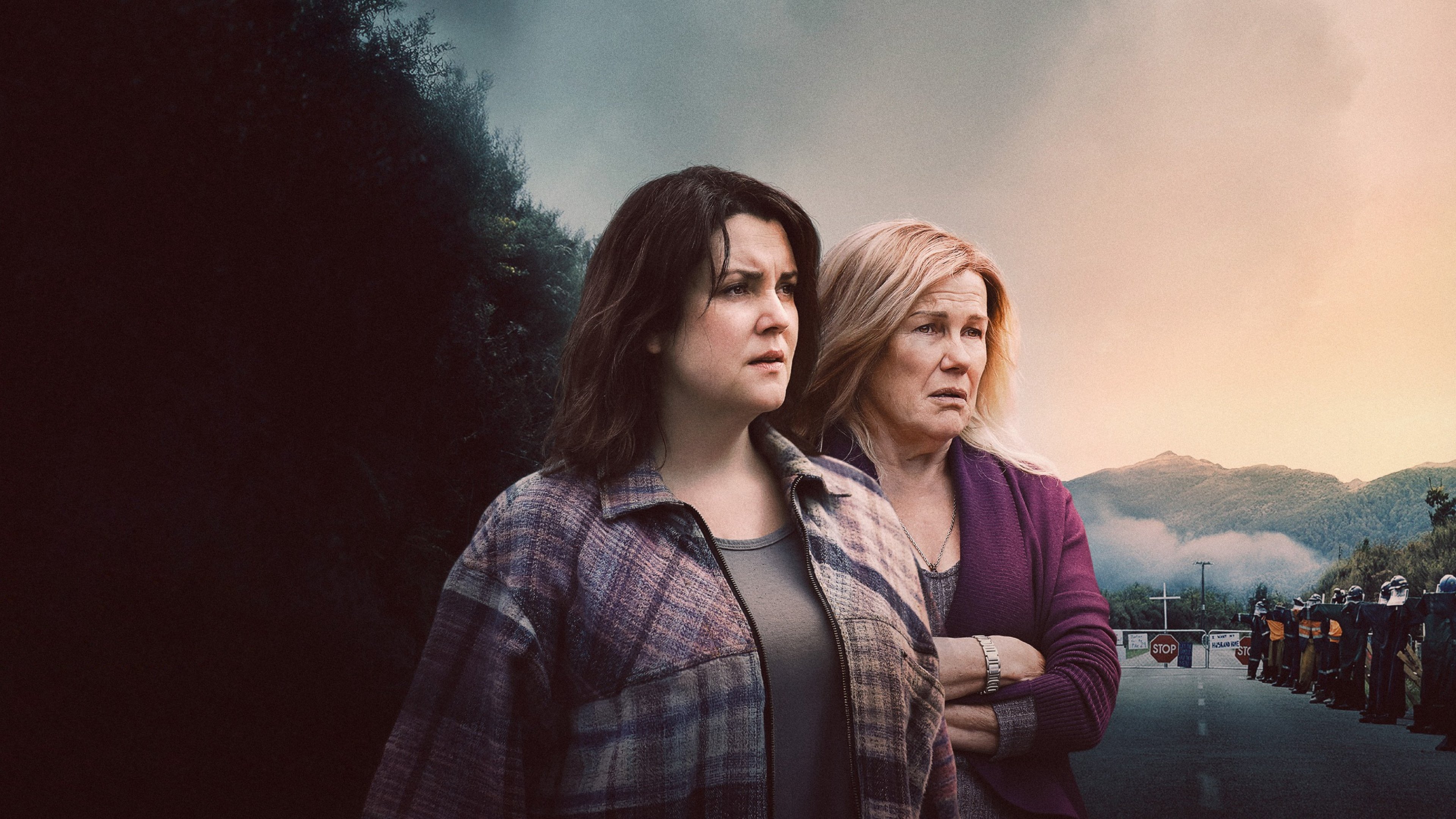
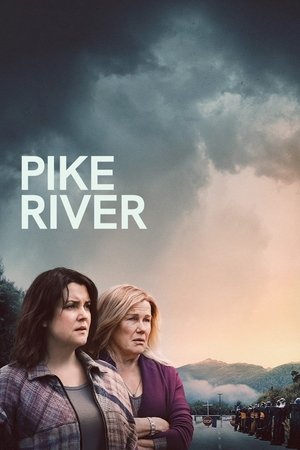


In 2010, 29 miners were killed in an explosion at Pike River mine in New Zealand. Their family members fought for accountability and to be reunited with the bodies of their loved ones for the next decade. In Pike River, a film coming to theaters in the U.S. on January 30th, the miners and the women who loved them are given a touching and heartwrenching tribute.
“Pike failed him. The law failed him. The government failed him.”
A monologue delivered by Robyn Malcolm, who plays Sonya Rockhouse, perfectly sums up the ache which I’m sure the families still feel to this day. Although I wasn’t familiar with Pike River prior to watching, the film itself and my independent research has made me deeply aware of how negligence on the part of the mine and the government agencies caused not only death, but unnecessary harm to those who love the deceased.
As someone from the United States, my knowledge of New Zealand politics is limited at best. The film did celebrate the Labour Party and specifically Jacinda Ardern. I have seen mixed feelings about this decision from those who are more educated on the topic, but I can appreciate the fact that for Sonya Rockhouse and Anna Osborne, the sympathy of the Labour party was in stark contrast to the mistreatment they suffered at the hands of Sir John Key and the National party.
My initial decision to watch Pike River was made entirely because of the starring role of Melanie Lynskey. Lynskey plays Osborne, a real-life woman who lost her husband in the mine explosion and led the charge for justice while battling cancer. Anna’s need for justice is portrayed beautifully by Lynskey. I felt for her and understood each of the choices she made. In a situation where the most powerful people are fighting against you, it’s easy to give up, but Osborne persevered and managed to inspire everyone else in the process.
The beating heart of this film is the relationship between Anna Osborne and Sonya Rockhouse. Bonded by the deaths of their husband and son, respectively, they center their lives around achieving justice for the miners. Both of their stories are given time on their own and together, allowing the audience to understand the strengths each of them bring to the pairing. Neither would have been able to achieve as much if it weren’t for the support of the other.
I appreciate the way these women are shown as the brave people they are. There’s an instinct in films such as these to lionize the miners and focus the film on them. While there’s a place for that and the miners themselves absolutely deserve to be remembered, Osborne and Rockhouse are also the heroes of their stories. Their persistence in the face of adversity is important and deserves to be recognized.

In the aftermath of an explosion that rocked the Pike River Mine and took the lives of 29 West Coasters, two women step up to fight for accountability.
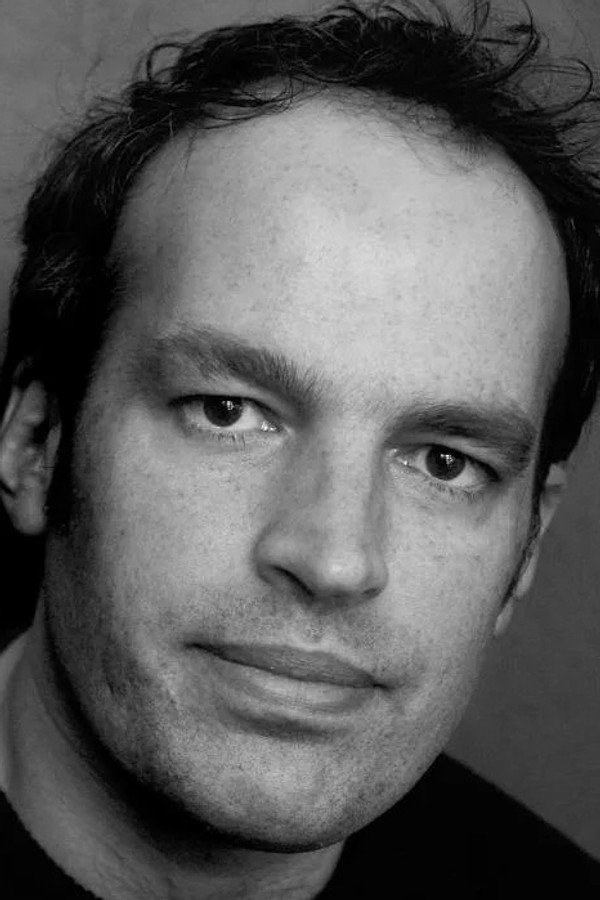
Robert Sarkies
Director

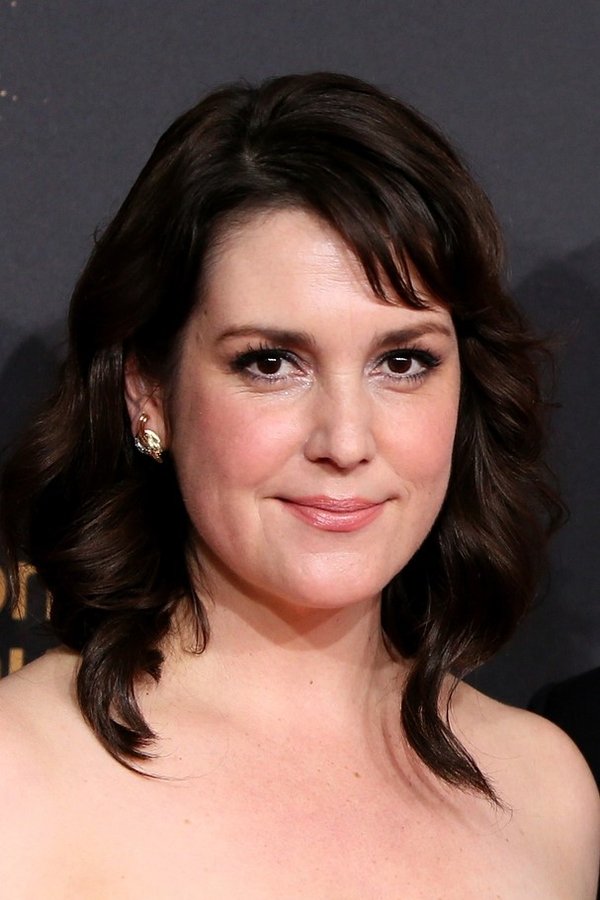
Melanie Lynskey
Anna Osborne
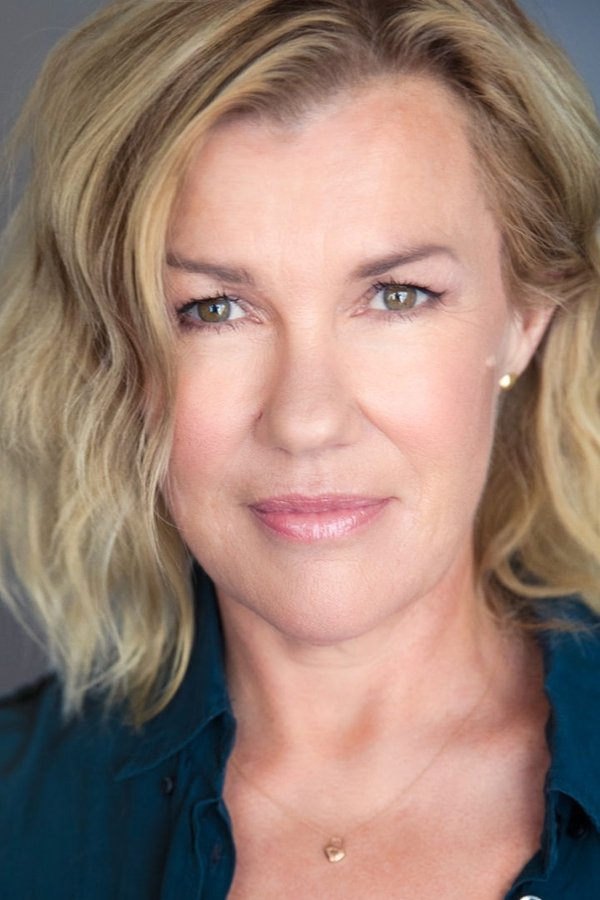
Robyn Malcolm
Sonya Rockhouse

Erroll Shand
Pete Cahill

Madeleine McCarthy
Alisha Osborne

Ben Porter
Rob Osborne
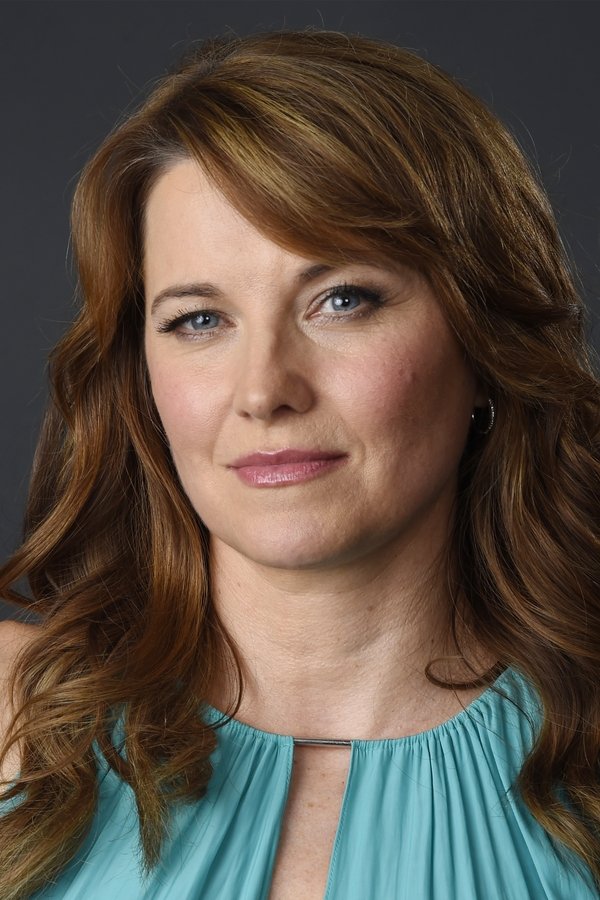
Lucy Lawless
Helen Kelly

Jordan Mooney
Tony Sutorius

Peter Tait
Rowdy Durbridge
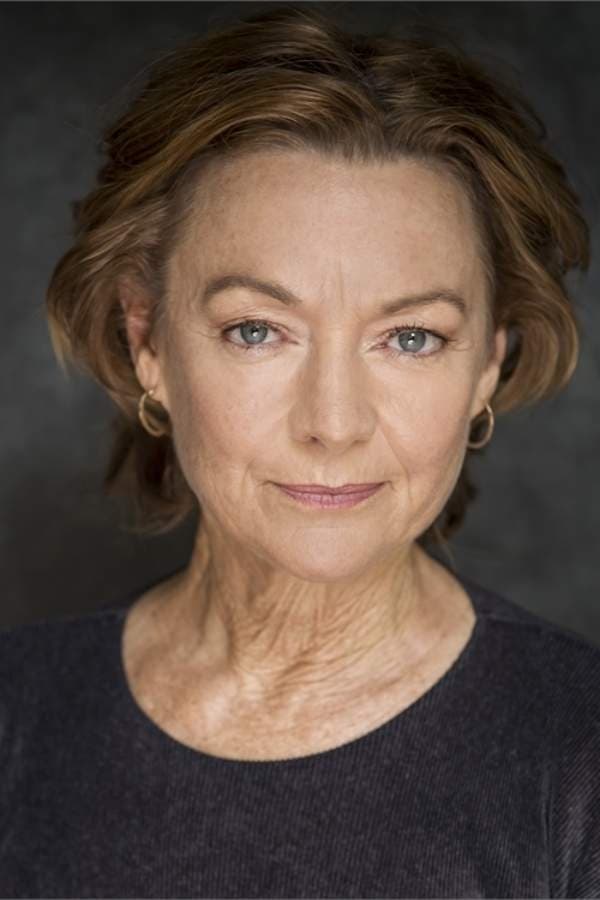
Elizabeth Hawthorne
Kath Monk
Hamish McEwen
Daniel Rockhouse

Dra McKay
Joe Hall
This film is based off of The Diary of a Young Girl, which was written during the Holocaust period.
What happens to an inseparable bond when love for competing morphs into competing for love?
We are incredibly blessed that this movie is available for us to see, and we should take advantage of the opportunity we’ve been given.
Korean pop culture has mastered emotions as both a scientific field and an artistic revolution. Think of how K-Pop and K-Dramas have taken over the world. How? Simply put — they are addictive. How are they addictive?
A code adopted by gay men and LGBTQ+ individuals in general to subtly disclose your identity to another, “friend of Dorothy” is widely considered to originate with Judy Garland.
In light of the trailer release for the Five Nights at Freddy's sequel, it’s due time to talk about the first movie.