


Incluvie Classics: Strong Women and Gender Expression in Alfred Hitchcock's “Psycho.”
Alfred Hitchcock’s 1960 film "Pyscho" is an American film classic that still resonates today.
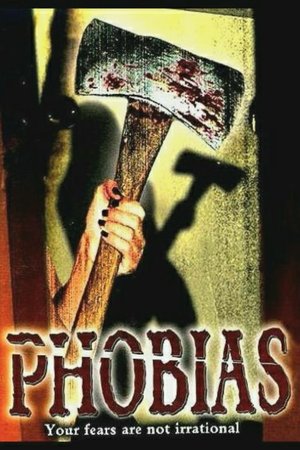


Featuring two short films. The first is called "When Shadows Lie Darkest" which tells a chilling yarn of a man who finds it hard to tell whether his nightmares are real or just dreams. They lead him into a dark, surreal world shadowed by a killer. Will he wake in time? The second is "Blackout", which centers around a desperate wife stuck in a dead end marriage with her drunk, out of work husband. During a power Blackout, she kills her husband in self defense. As police investigate the suspicious murder, the woman finds herself befriending a song writer who enjoys pulling childish "pranks". As she tries to move on with her life, she is haunted by strange and unexplainable occurrences. Is her new friend up to his old tricks, or is it something much worse?
Alfred Hitchcock’s 1960 film "Pyscho" is an American film classic that still resonates today.
“Trust your gut" is one of the most common pieces of advice you’ll receive during your lifetime. And as a person inclined to trust my intuition above all else, it’s the most common advice I find myself giving in real life and in my online socialising. But what happens when your gut is trying to warn you that something is seriously wrong without you being able to identify what triggered it in the first place? How can you act on a feeling or make it go away when you don’t have a clue about what could be wrong? How can you trust your intuition when you don’t know what makes it act out in the first place?
Through its morbidly humorous storytelling, Wednesday tells a tale of a world divided that explores the manifestation of generational trauma in its protagonist Wednesday Addams.
The short documentary and second place winner of the Incluvie Short Film Festival, Gender Outlaw: A Bodysurfing Story, challenges any simplistic understanding of trans people.
When diverse representation is featured on-screen, it oftentimes comes with strings attached that undermine the message they were trying to send. This can be attributed to the fact that behind-the-screen, the industry primarily does not reflect the breadth of diverse difference that is present in daily life. That’s why when something as powerful and authentic as Minari comes along, it is both incredibly wonderful and needs a large audience to witness it.
I understood post-memory as passing down stories and images of one’s experiences that are not your own. For decades, rape has been depicted in cinema through a third-person perspective, leaving the viewer to observe rape; not to experience it.