

Bring Her Back: the Psychological Threat and How to Grieve Properly
The external threat invaded the domestic environment at the most valuable moment: grieving.
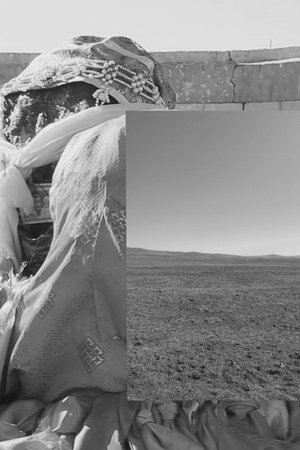


Ayoung Kim’s enchanting film Petrogenesis, Petra Genetrix (2019) takes the viewer on a journey through hyperbolic mythology based on a fictional genderless mineral Petra Genetrix. Through this character, Kim explores the Mongolian animist belief that positions land, mother rock, stones, and sacred caves at the center of their universe. By likening rocks and stones as the Earth’s memory storage vessel, the work illuminates the futurist potential of animism: “Quartz can be considered to be a type of natural computer since it absorbs and stores a large amount of energy“. The traditional spirituality oriented towards land or ancient animism reveals the potential equivalence between primeval objects and the futuristic memory sphere.
The external threat invaded the domestic environment at the most valuable moment: grieving.
As Andrew’s life begins to change, his passion for drumming soon becomes a spiraling obsession in the pursuit of perfection. Through the use of disturbing and abusive training methods, Fletcher puts Andrew through emotional and physical agony.
"Driveways" is a nuanced portrait of an Asian American family, touching on themes of loss, growth, and belonging.
Americans love the British monarchy. This may seem confusing because only a few short hundred years ago they were our worst enemies, and every year we celebrate our independence from them. The Crown humanizes the monarchy, which might explain its popularity.
I was able to sit down and talk with the director of the short film Dog Lover Anne-Sophie Bine as she discussed and how she came to be in film.