
Dead Poets Society Steals a Queer Story
Dead Poets Society relies on patriarchal tropes such as overbearing fathers, contrived brotherhood, and faux-individuality in order to portray its straight white male characters as oppressed.
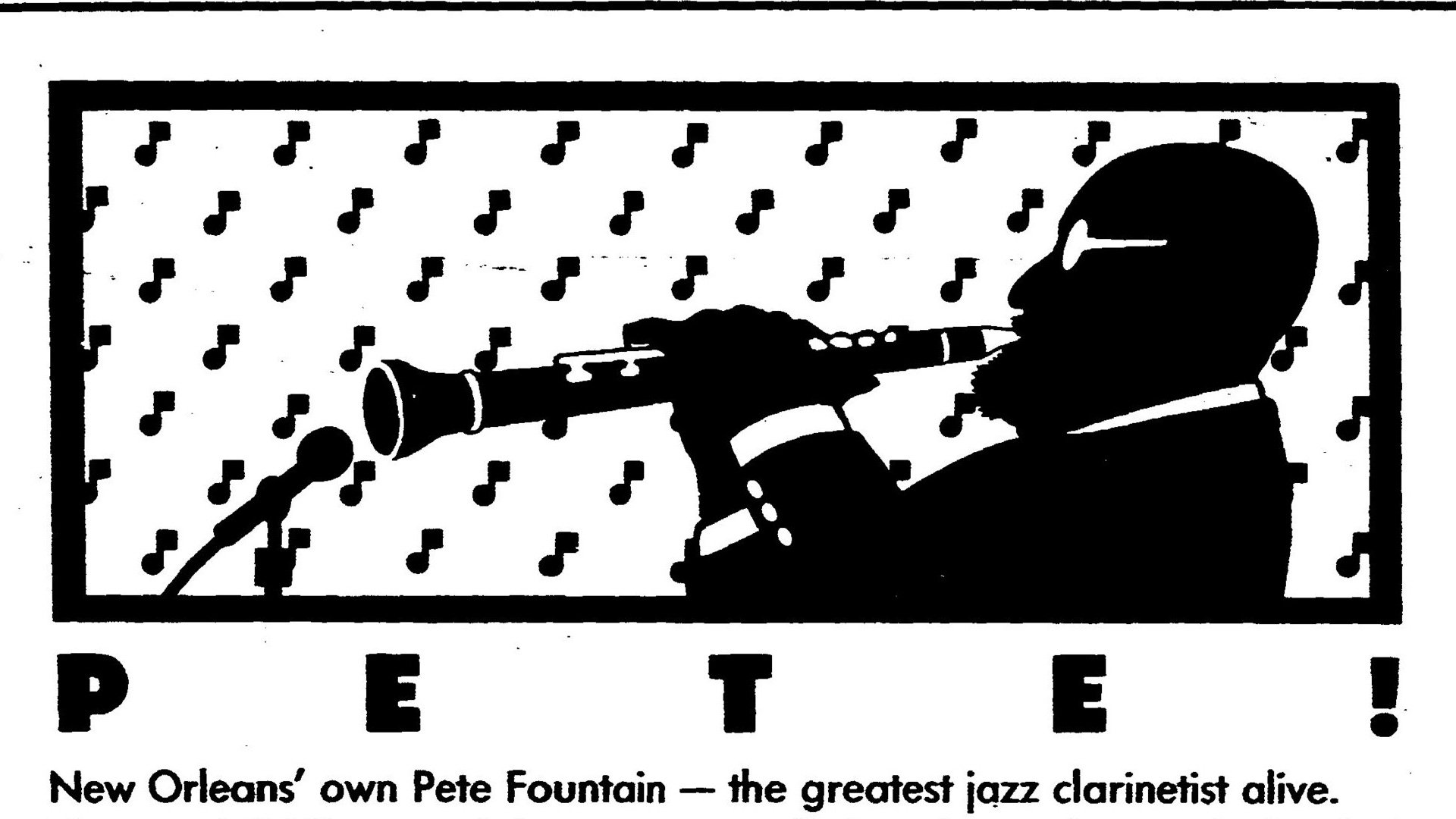


Narrated by Phil Harris, a longtime friend of Fountain's, "Pete!" uses performance film, interviews, behind-the-scenes footage and a home videos to offer an intimate portrait of Fountain, the walking, talking embodiment of his hometown. Produced and directed by by John Beyer, the film originally aired on PBS stations nationwide. When it aired locally as part of a PBS membership drive, "Pete!" was credited with raising "more than had ever been raised by a single program in the history of WYES," according to a story published in The Times-Picayune in August 1980.
Dead Poets Society relies on patriarchal tropes such as overbearing fathers, contrived brotherhood, and faux-individuality in order to portray its straight white male characters as oppressed.
The [SPOILER-Free] story of Jurassic World: Dominion is that the humans never learned from their mistakes from the previous films, science is still running amok, and the world is paying the price.
Kat Wahlen’s The Whiteboard tells, or rather shows, a delightful love story between two young women who meet in detention.
Films and TV series often tend to misrepresent or not acknowledge bisexual characters, but recent trends show that bi-erasure is now under deserved scrutiny. So, I’m genuinely happy about the direction bi-representation seems to be taking.
Mark Anthony Green was unable to connect all of the pieces in his debut feature film, leaving Opus as a middling entry in an already oversaturated genre.