

Writing Great Villains: Why They Shouldn't Be Sympathetic
Writing great villains is about striking a balance between charming and evil, so we love them but also love to see them lose.
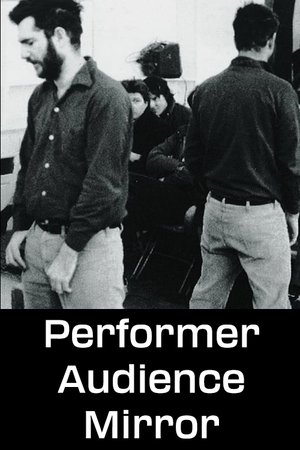


Using the mirror at the back of the stage as a monitor, Graham voices his unrehearsed observations, activating the various feedback cycles taking place within himself as performer, between the performer and audience, and among audience members. Issues of duration and attention are critical for both performer and audience.
Writing great villains is about striking a balance between charming and evil, so we love them but also love to see them lose.
In ‘The Owl House’ protagonist Luz Noceda stumbles across a portal to another dimension where magic exists, called The Boiling Isles.
Masterful satire that shines a light on the struggles of Black creatives.
Rather than following in the footsteps of poorly made horror flicks, “The Quiet Place” follows original concept.
While prioritizing production value over substance, Flood depicts an emotionally taut family drama set during the farmland flooding of the Franco-Dutch war.
This live-action Barbie movie brings strong feminism and topics about blondes.