

Tom Clancy's 'Without Remorse': Amazon's Latest Blockbuster
Tom Clancy's Without Remorse has everything a movie director from the 80’s could wish.
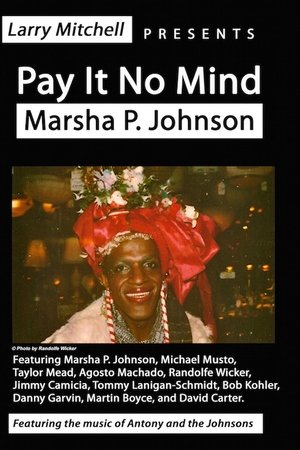


Marsha P. Johnson was a drag queen, sex worker, and LGBT activist who fought at Stonewall and knew Andy Warhol. She was a New York fixture who made her motto her middle name: "Pay it no mind". This documentary about her life includes the last interview she gave before the suspicious circumstances of her death in 1992.
Tom Clancy's Without Remorse has everything a movie director from the 80’s could wish.
Eddington attempts to capture how media is intertwined with the uncomfortable present.
Leveraging the cockiness of many of his interview subjects, Theroux created an exposing documentary that shows just how scary these sections of the internet can be.
While it initially sounds nothing like 'Nope,' the focus on recording/sharing everything—especially trauma—for profit makes Hulu's 'Not Okay' similar to Jordan Peele’s newest movie.
'Midnight at the Paradise' premieres tomorrow at Toronto's Paradise Theatre! I had the pleasure to sit down with Vanessa Matsui to discuss the making of this film.
This Netflix original series is for animal lovers and fans of light horror series.