

'Easy A' Is Pretty Anti Sex
'Easy A' is emblematic of a world that liked to sarcastically pretend it was progressive but wasn’t actually ready for that change, making it pretty anti-sex.
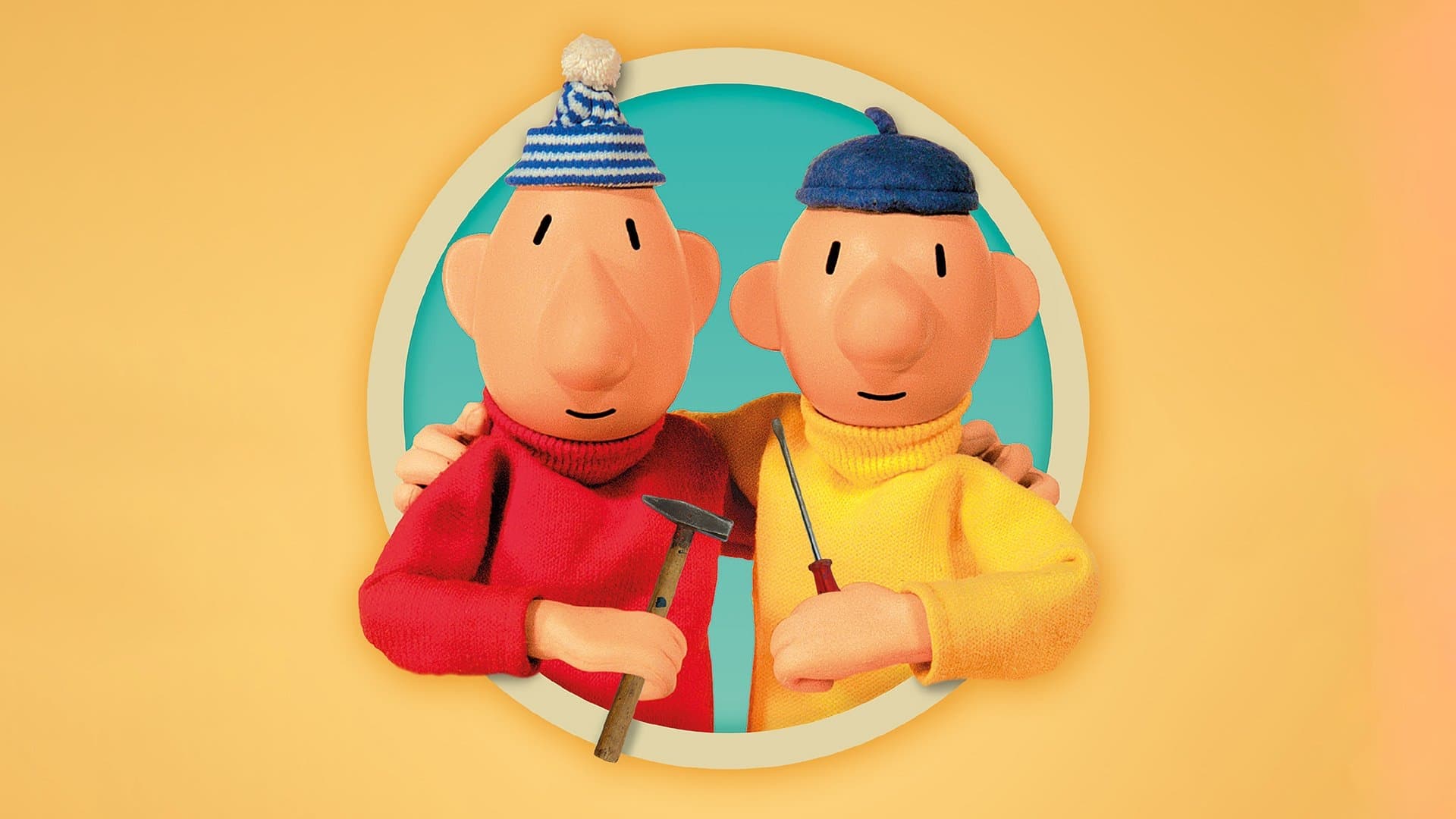
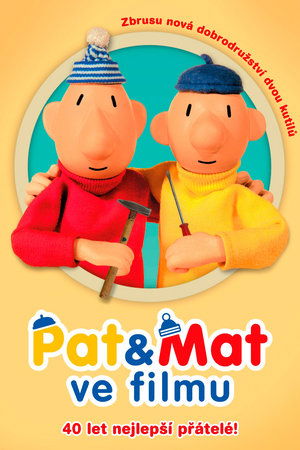


The hero of the popular Czech animated series Pat and Mat, have come to us with their more or less successful, always comedy house repairs. In memory of the times of true cartoons, which marked the youth of many generations, the legendary home-based master comes to large screens with brand new adventures. Czechoslovakia's cartoon A je to (also known as Pat & Mat) is the work of Lubomír Beneš and Vladimír Jiránek, first reproduced in 1976. This year Pat and Mat celebrate their 40th birthday. However, this is nothing like that for such a large caliber. In the attic store boxes of full movies (and a projector under the stairs) and share stories with their fans. However, as often happens, they face many traps. This time you will meet a sneaky cactus and a dry tree. Meanwhile, they will naturally "improve" their home with some creative ideas. Just how?
'Easy A' is emblematic of a world that liked to sarcastically pretend it was progressive but wasn’t actually ready for that change, making it pretty anti-sex.
We, the Jane Austen aficionados, are suckers for everything and anything under the sun that’s remotely related to her and her world. That’s because we are so drawn to her unique style of fiction, romance, and social commentary, we take any allusion to her influence as a hint to what to expect when we start watching a movie or reading a book.
The “gay best friend”, an age-old trope, has been done in countless films and television series. Ranging from one-note (Sex and the City's Stanford and Mario) to nuanced (Unbreakable Kimmy Schmidt's Tituss), the gay best friend exists to support and advise the main protagonist, with their conflicts swept to the side.
It’s not often in America that you turn on the TV and see a show or a movie with a Muslim protagonist. And when they do, they're usually a negative stereotype. Ms. Marvel changes all of that.
A surprise sequel takes place ten years after the original movie based on the title of the same name, but with a twist to the fairy tale.
Cord Jefferson's hilarious and thought-provoking film continues a long-standing cinematic tradition, expanding the conversation around the impact of systemic racism in today's media.