


Like Stars on Earth Talks About Dyslexia
Like Stars on Earth is a representative movie that talks about dyslexia to young audiences and why it is important in today's generation.
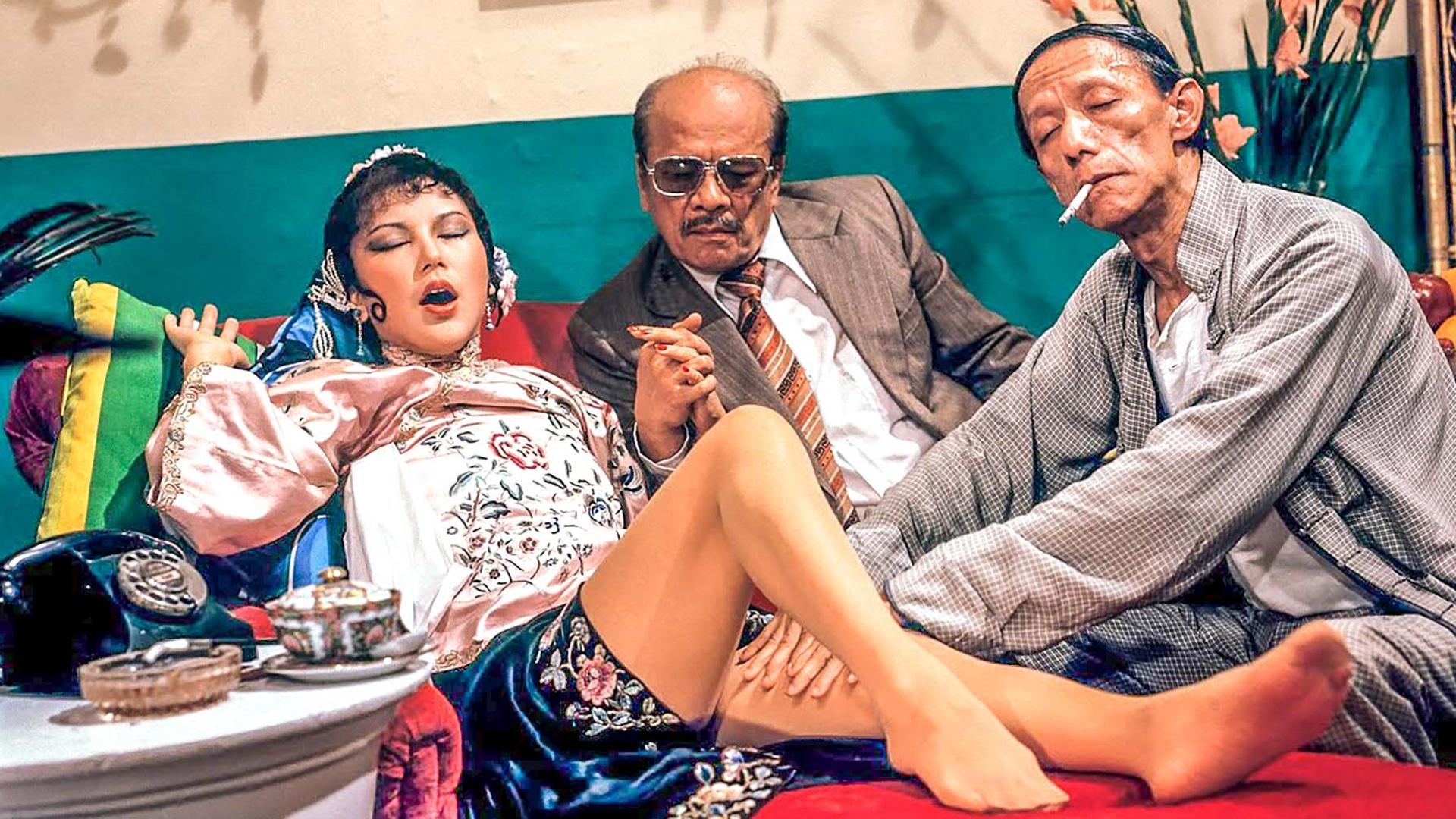
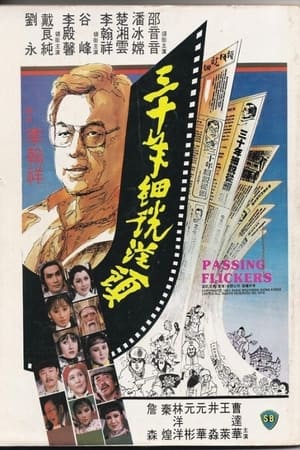


The main characters - the arrogant, harassed director, the sexy starlet, or naïve actors are familiar enough stereotypes. Along the way however, there is some fun to be had as more humorous incidents occur on the sound stage, together with dashes of nudity. Some of the events are presumably inspired by real life experiences, others have a distinct air of wishful fabrication. The over-the-top Kung Fu star, deserted by director and crew as he goes through his pointless extended routine, for instance. Or the action heroes, sweating in furs while they dutifully munch through their meal scene, 'snow' falling outside in studio land.
Like Stars on Earth is a representative movie that talks about dyslexia to young audiences and why it is important in today's generation.
Happy Gilmore 2 is the perfect comedy to take you back to a simpler time
A refreshing twist is that all the kids’ powers are…kind of useless. There’s a kid who can only move in slow motion, a kid who has every power in the world but can only use them randomly, and our main character Missy who has no powers at all. The thesis of the film seems to be that it doesn’t matter what kind of powers you have, its the way you use them, which is good for the warm and fuzzies.
Like all modern societal phenomenons, it started with a meme. This one highlighted that when there’s a mom in a Pixar film, she is almost without fail given striking curves that highlight the bottom half of her body following a minuscule waist. From Elastigirl to the skeletal Mama Imelda, the animation giant’s artists seem to have a fixation on making exaggeratedly curvy maternal characters.
The film, which focuses on an Argentinian family during an intimate birthday dinner, efficiently captures the eccentricities of each character as well as the nuances of their interpersonal dynamics.
With The Father, writer-director Florian Zeller- who wrote and developed the play upon which the film is based- pulls no punches as he confidently makes every effort to put the audience in the mind of someone whose grip on reality has all but vanished. It’s a dazzling testament to Zeller’s abilities as a director as he makes his first transition from stage to film appear as if he’s been working behind a camera his entire career. The dialogue he fashions with co-writer Christopher Hampton, along with the work of production designers Peter Francis and Cathy Featherstone, collectively makes the downward spiral of dementia startlingly tangible, doing so in a way that can be comprehended by everyone except the person it directly affects.