



'Never Have I Ever' Season 2 Gets Messier, and It's Great
In season 2 of “Never Have I Ever," Devi make many mistakes in a messier season that explores the complex lives of its diverse cast more in-depth than before.
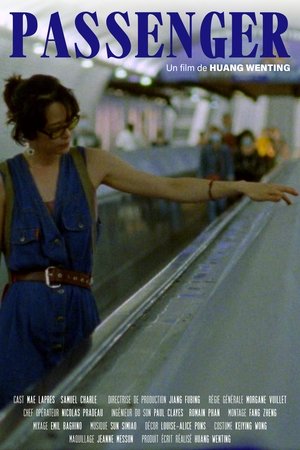


A Chinese girl staying in a Parisian hotel room, one night she suffers from insomnia, so she starts wandering the streets. She encounters a French guy in the subway, and go with him in mysterious journey through the suburbs of Paris.
In season 2 of “Never Have I Ever," Devi make many mistakes in a messier season that explores the complex lives of its diverse cast more in-depth than before.
'Playing with Fire' was clearly a film made for a kid or tween-ish audience. Keeping that in mind, I thought 'Playing with Fire' was alright, though it did portray some harmful stereotypes.
Gotham City Sirens needs a female voice behind the camera. So, on the chance someone from DC films is reading this, here are ten female directors who would be good choices for Gotham City Sirens.
The social issues The Half of it takes on are handled well, between the antagonization brought on to Ellie for her race and the conflict that arises from her being gay. Both aspects of her character are built up over the course of the film and don’t seem abrupt or rushed. The film shows racism towards Ellie and her and father in varying levels, from having her schoolmates specifically address her as "Chinese girl” to the fore mentioned way her Dad is treated due to language barriers. The same can be said about Ellie being a lesbian. While she never truly “comes out” in the narrative, that does not undermine her journey of self-discovery from being meaningful. These ideas aren’t thrust upon the viewer in a preachy manor, the scenarios that occur feel believable given the rural setting. The film presents watchers with problems whom those like Ellie may face, and leaves us to sit with them and reflect.
'Airplane Mode' is a young adult movie that is about a woman who learns to step away from her smartphone, and from social media.