



“Buddy” and Analogue Horror
Upon first watch, Buddy feels like it should have been aired on Adult Swim at four in the morning.
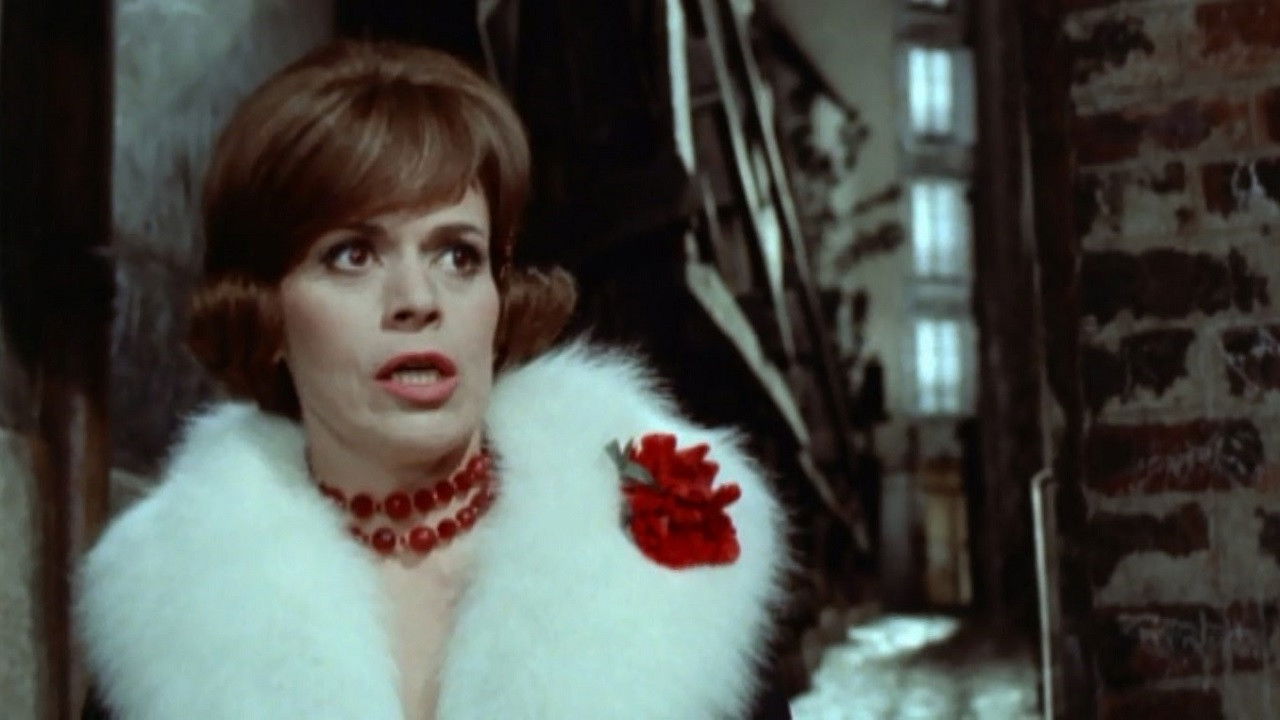
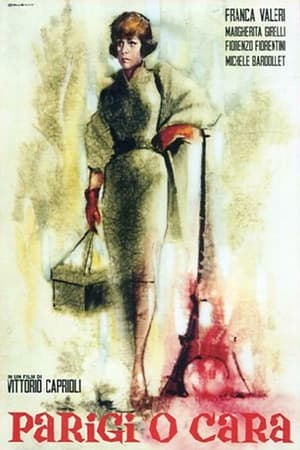


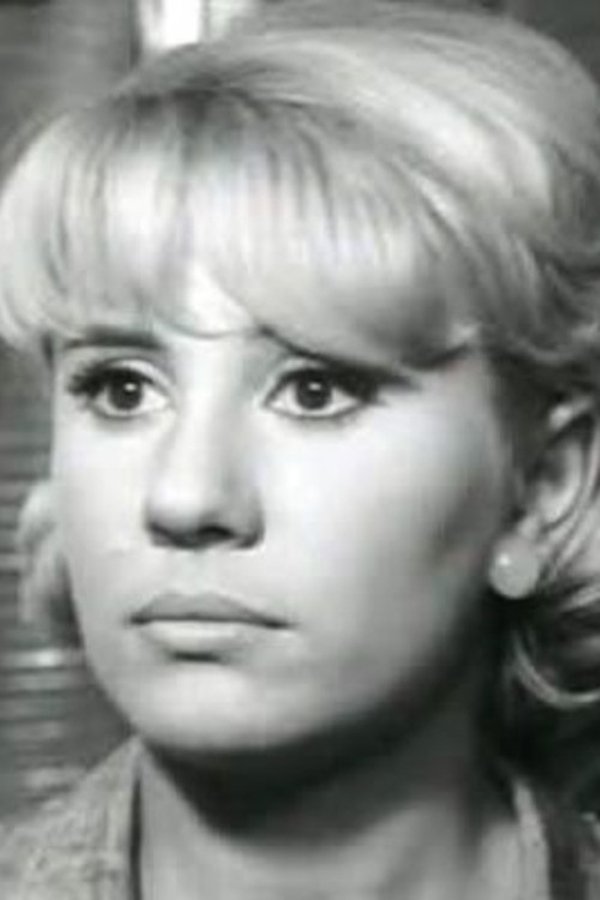
Parigi O Cara is probably the most camp in the history of Italian cinema, certainly a favourite with the queer community who quote its lines by heart. Unique as it's the only film where Franca Valeri (now 90) is the unquestioned star, in the role of Delia, a snobbish, stingy prostitute who is moving to Paris looking for greener and more lucrative pastures. An anti-neorealist, amoral, almost abstract comedy, which anticipates Almodóvar, a ferocious, though gentle, non-moralistic portrayal of the 60's boom and its broken dreams. The dialogue between Delia and her brother (played by Fiorenzo Fiorentini), when he does (or does not) tell her he is a homosexual, is memorable, a primordial coming-out, a masterpiece of allusions. But what makes it one of the first examples of a film with a "gay point of view" is the approach: perceptive, non-conformist, caustically witty. A film ahead of its times, still unbeaten.
Upon first watch, Buddy feels like it should have been aired on Adult Swim at four in the morning.
If you enjoy Japanese cinema, absurdly violent action films, gangster flicks, or joyfully strange cinema, 'Why Don’t You Play in Hell?' is a must-see.
This Disney Pixar movie is based on the elements air, fire, water, and earth.
The human experience is described through the eyes of a marginalized outsider, neither judgmental nor invested, just an observant donkey.
In less than 30 minutes, Proudfoot guides the viewer through a narrative that touches on American history, mind-health issues, race, and gender politics