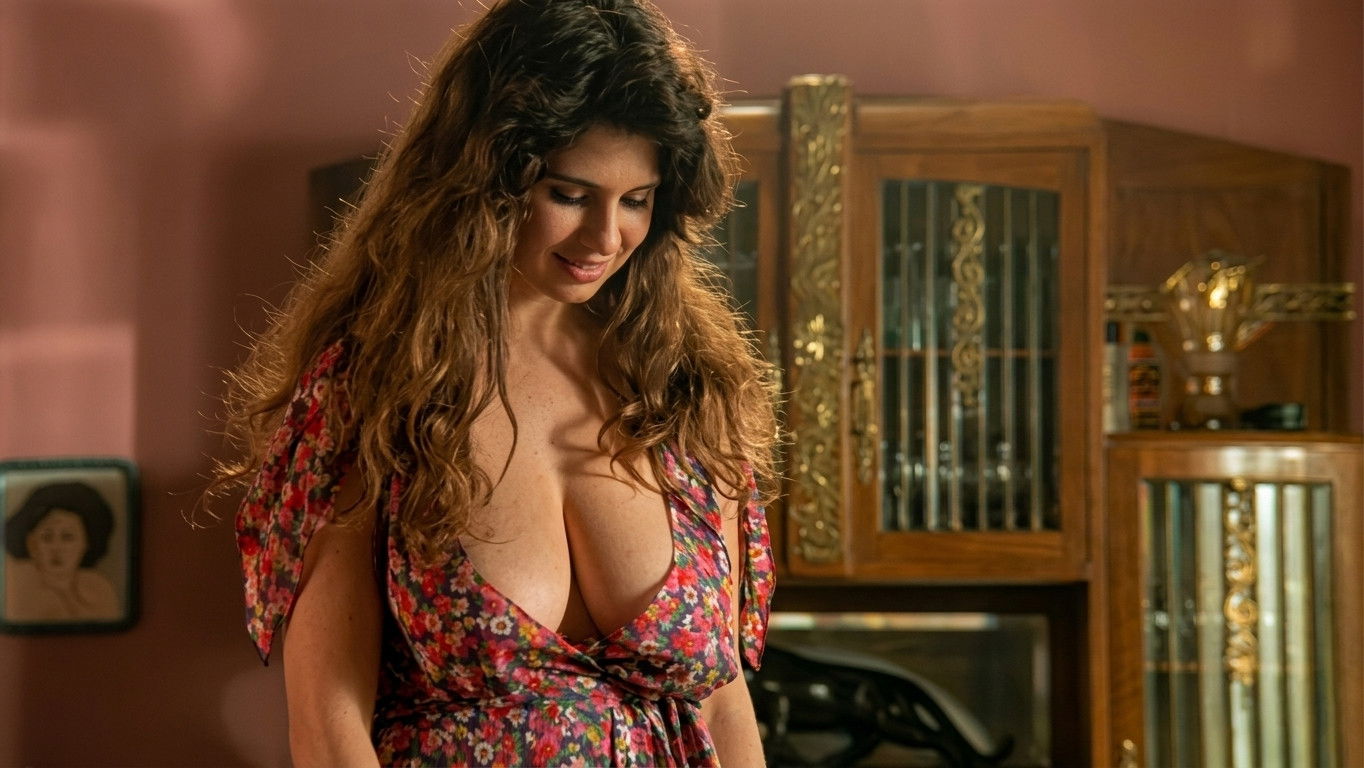

Paprika
In 1957 Trieste, a few months before the general ban on brothels, inexperienced country girl Mimma becomes Paprika to finance her useless boyfriend as a prostitute. Amid the hustle and bustle of Rome, Paprika drifts from one brothel to another as she learns the ropes and works her way up one client at a time. However, as Paprika embarks on a stormy journey of self-discovery and sexual liberation, the sense that something is missing haunts her. Is Paprika meant to experience a passionate romance and solve the great mystery of true love?

- / 5
PopScore
Representation
Pictures and Videos

Movie Information
In 1957 Trieste, a few months before the general ban on brothels, inexperienced country girl Mimma becomes Paprika to finance her useless boyfriend as a prostitute. Amid the hustle and bustle of Rome, Paprika drifts from one brothel to another as she learns the ropes and works her way up one client at a time. However, as Paprika embarks on a stormy journey of self-discovery and sexual liberation, the sense that something is missing haunts her. Is Paprika meant to experience a passionate romance and solve the great mystery of true love?
Rating:
Genre:Drama, Comedy
Written By:Bernardino Zapponi, Tinto Brass
In Theaters:
Box Office:
Runtime:116 minutes
Studio:San Francisco Film, Scena Film
Cast

Tinto Brass
Director


Debora Caprioglio
Paprika

Stéphane Ferrara
Rocco

Martine Brochard
Madame Collette
Stéphane Bonnet
Franco
Rossana Gavinel
Gina

Renzo Rinaldi
Count Bastiano Rosasco

Nina Soldano
Journalist

Clara Algranti
Sciura Angelina

Luciana Cirenei
Donna Olimpia

John Steiner
Prince Ascanio Del Bardo

Valentine Demy
Beba
Articles You May Like
“Sweeney Todd”: Demons and Hair Cuts
As a musical fan, I enjoyed the film and encourage anyone who likes dark humour and a bit of blood to give it a watch.
Who Needs 'Independence Day' When You've Got 'Sorry to Bother You'?
Sorry to Bother You ultimately speaks to the unfair advantages that the country’s power structures award to those with the resources to control others, as Lift’s easy access to the media allows his opinion to be the only one that matters in the eyes of the unsuspecting and easily impressed public. Moreover, it reveals the extent to which the American Dream has any true validity. It postulates how the promise of success and fulfillment as promoted by the American Dream more often than not leads to the undoing of the individual. Interestingly, in its revealing of the American Dream as merely a facade, Sorry to Bother You wisely questions whether or not anything can really be done to undo a system that has been accepted and in action for centuries.
An Aquatic Tale of The Little Mermaid (2023)
The live-action remake brings adventure and shows viewers why representation is important in a Disney Princess movie.
Six Drama Films that Explore the Transgender Experience in Children
This Transgender Day of Remembrance, let us take a look at six films about transgender children grappling with their identity in a heteronormative world that despises their kind and tries its best to invalidate their feelings.
Halloween Flicks Pt. 2
Four more classic horror films that are entertaining even if occasionally absurd.