
Pandora's Box
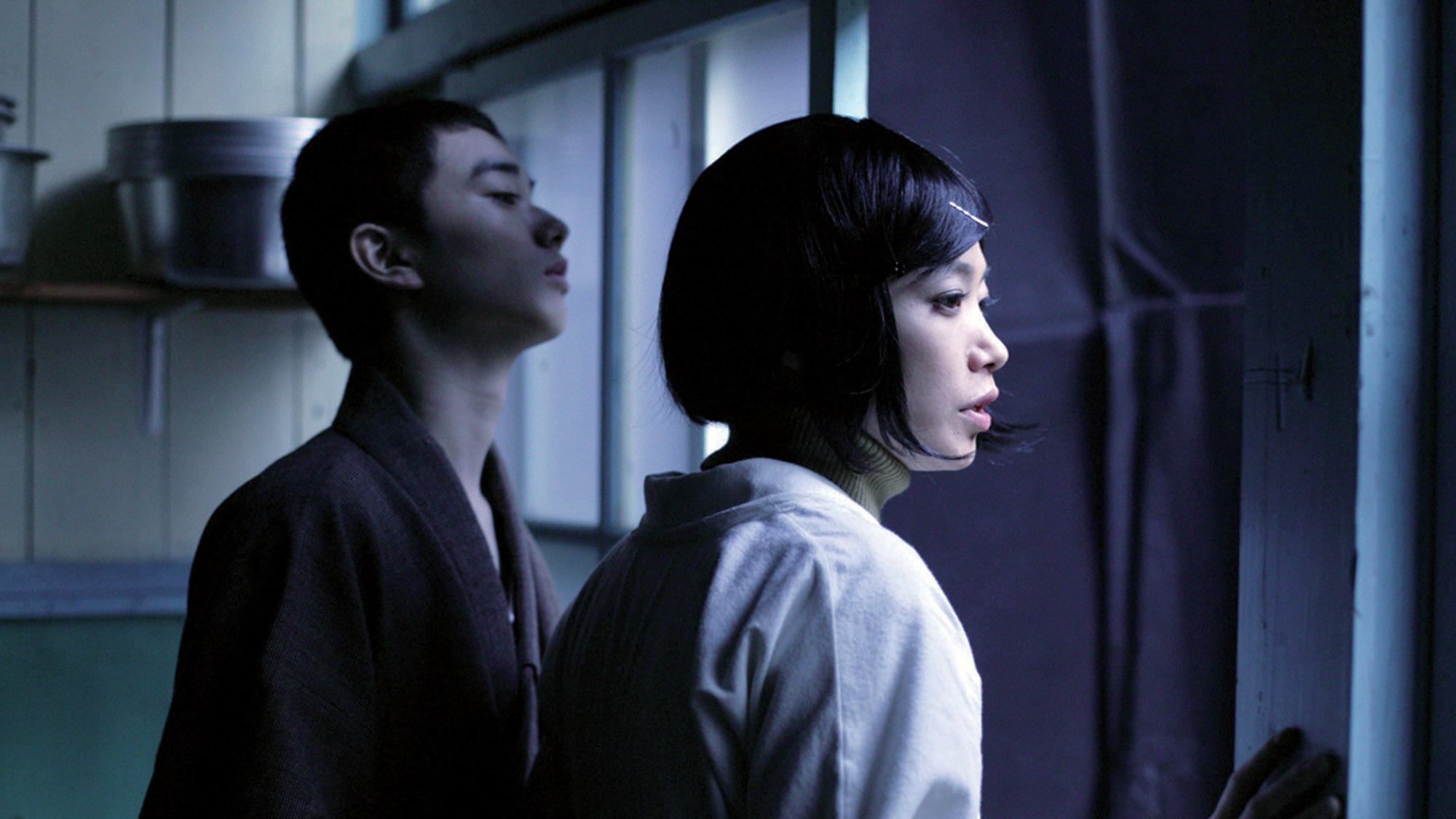
After Japan's defeat in WWII, "Pandora no hako" follows a young man named Risuke who has contracted tuberculosis. He travels to the countryside to a unique nursing facility to receive treatment for his disease. At the sanatorium all the patients and nurses go by nicknames and Risuke decides to reinvent himself as Hibari. During his stay, Hibari develops realationships with other patients and nurses. After Hibari's friend Tsuikushi gets discharged from the nursing facility, Hibari writes to him about his relationships with Dakesang the chief nurse and Mabo another nurse that is bright and seems to like him.

- / 5
PopScore
Representation
Pictures and Videos

Movie Information
After Japan's defeat in WWII, "Pandora no hako" follows a young man named Risuke who has contracted tuberculosis. He travels to the countryside to a unique nursing facility to receive treatment for his disease. At the sanatorium all the patients and nurses go by nicknames and Risuke decides to reinvent himself as Hibari. During his stay, Hibari develops realationships with other patients and nurses. After Hibari's friend Tsuikushi gets discharged from the nursing facility, Hibari writes to him about his relationships with Dakesang the chief nurse and Mabo another nurse that is bright and seems to like him.
Rating:
Genre:Drama
Written By:Masanori Tominaga
In Theaters:
Box Office:
Runtime:94 minutes
Studio:Cinegriot, Tokyo Theatres Company, Geneon Universal Entertainment, PARADE Inc., Kahoku Shimposha, Sendai Television, GIP










Articles You May Like
“Supergirl” Is Like, Fine, Whatever
Supergirl is a decent movie, anchored by great action scenes and a great lead performance
You're Probably Not 'The Worst Person In The World'
'The Worst Person In The World' follows a part of life I don't see often portrayed on-screen: extended adolescence.
'Stargirl' Shows Self Expression Among Teenagers
Self expression among teenagers is explored in the live adaptation of Jerry Spinelli's novel of the same name.
Joyfully Chaotic, 'Why Don't You Play in Hell?' is a Must-See
If you enjoy Japanese cinema, absurdly violent action films, gangster flicks, or joyfully strange cinema, 'Why Don’t You Play in Hell?' is a must-see.
“Boy”
Slip on your favorite dungarees and spend the day on the east coast of New Zealand before the 90s.