








Once Upon a Time in (White) Hollywood
Tarantino's alternative history of the 1960's uncritically repeats the era's sexist and racist stereotypes.
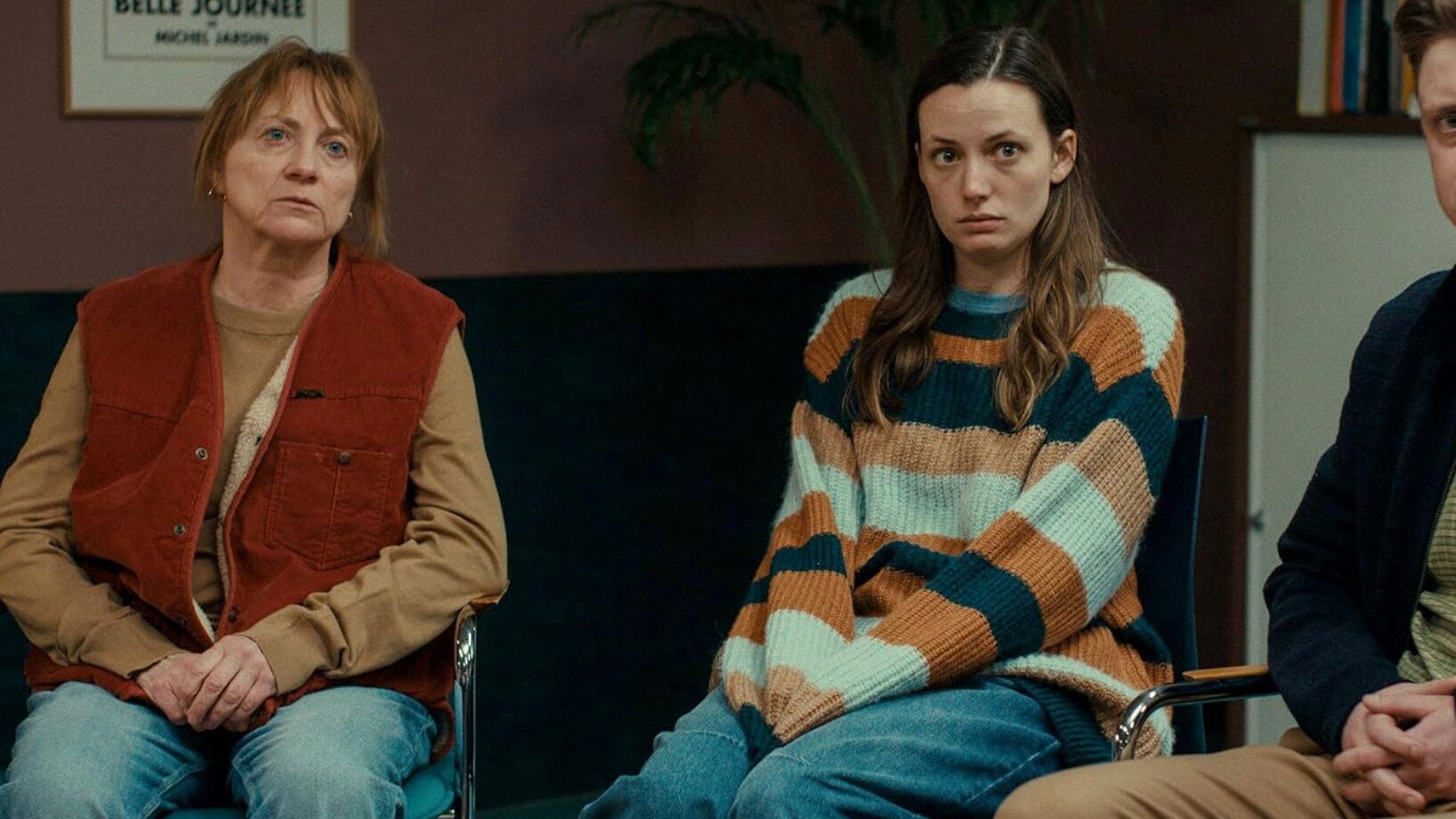
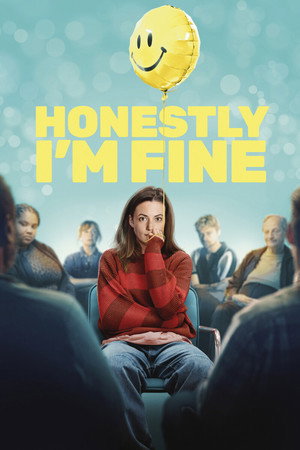


Emma is certain she's happy. She has a successful career, a loving boyfriend, wonderful parents, and is talented, funny, and smart. Until she unexpectedly and 'voluntarily' ends up in the psychiatric ward of a hospital. A short circuit? A burnout? She thinks this must be a huge mistake. Because she's a perfectly normal person. Right?
Tarantino's alternative history of the 1960's uncritically repeats the era's sexist and racist stereotypes.
Miley Cyrus shares her struggles as a songstress with a young audience, all while staying upbeat for the Disney brand.
In this coming-of-age movie centered around senior prom, Mandy is anxious about her acceptance into Harvard while she realizes she's missing other opportunities.
Netflix’s Shadow and Bone has a complicated relationship with race. It has a diverse cast, but not without its problems. Based on Leigh Bardugo’s two book series, the show features characters from the Shadow and Bone trilogy, which is very straight and white, and the Six of Crows duology, which is much more diverse. When bringing together a cast and writing about these characters, the team behind the show expanded upon some of the representation missing from the first trilogy, then seemed to take away representation from the duology. Shadow and Bone seems to play a bit of a push and pull game when it comes to portraying diversity onscreen.
At first glance, “The Good Liar” is a respectable piece of fiction, starring Ian McKellen and Helen Mirren. But underneath everything, the film expertly hones the unpredictability of deceit.
Critical Incident is worthy of a weekend binge, keeping you guessing right up until the end.