

Joyfully Chaotic, 'Why Don't You Play in Hell?' is a Must-See
If you enjoy Japanese cinema, absurdly violent action films, gangster flicks, or joyfully strange cinema, 'Why Don’t You Play in Hell?' is a must-see.
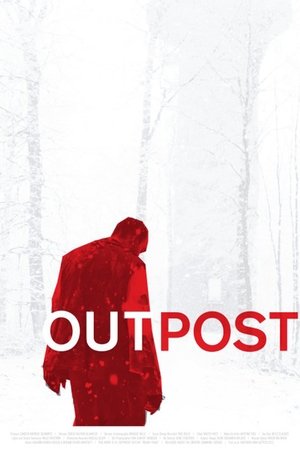


The year is 1991. A lone soldier is guarding a tower on the edge of the Soviet Union when he receives word that the union has collapsed and that he can therefore return home. However, he must first destroy all classified material in the tower. But not all secrets can be hidden away.
If you enjoy Japanese cinema, absurdly violent action films, gangster flicks, or joyfully strange cinema, 'Why Don’t You Play in Hell?' is a must-see.
This is a list of seven films that explore police brutality and systemic racism made by Black filmmakers. These are important movies to watch and to take in, as — through the power of cinema — they showcase what it feels like to be a Black person living in a country that is internally designed to be against you.
With raw and unapologetic performances by Viola Davis and Chadwick Boseman, stories about the hardships of Black musicians are weaved in with The Blues.
It's not love. It's Obsession. The hook of this movie is the tension between wanting to be loved and the fear of being all-encompassed by that love. It plays on men’s typical (though certainly not universal) inner-conflict
'Kajillionaire' is a touching and eccentric story about family, crime, and the search for belonging.
The most divisive character in Multiverse of Madness is undoubtedly Wanda Maximoff. Is she good or evil? Is she "unlikeable?" I'm tired of the debate. I love Wanda because she's for us—she's for the women.