'Tár' — The Monster's Side of Paradise
A film for the post-MeToo era that inverts the narrative with an ironic coda, Tár depicts the duality of a sensitive artist capable of great evil and vile manipulation.
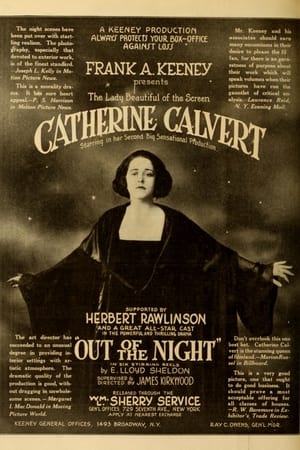


Rosalie Lane's sister dies from overwork at the Treadwell mills. Asking the company for enough money to bury her sister she is denied leading to desperate measures on her part. After many struggles she can save herself from a life of squalor and find happiness.
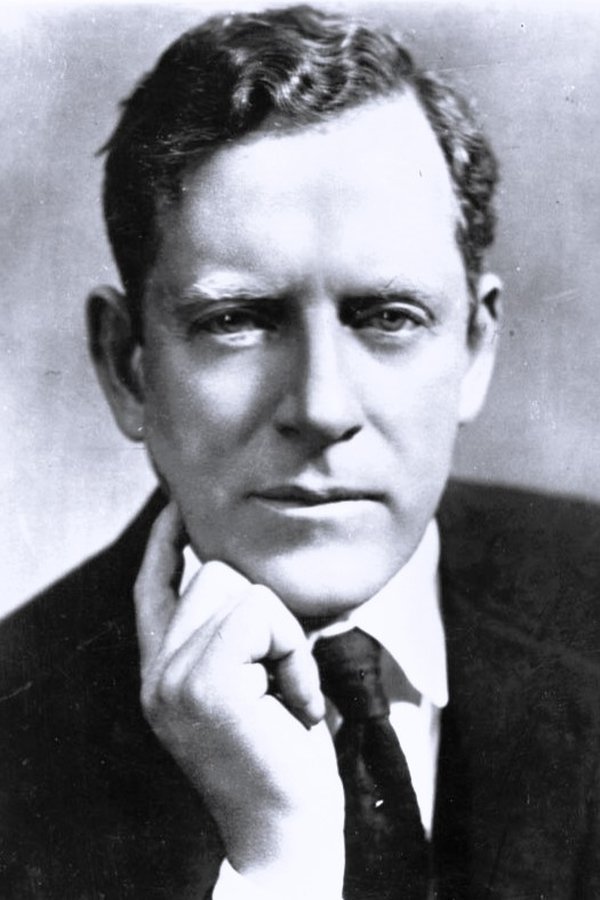
James Kirkwood
Director

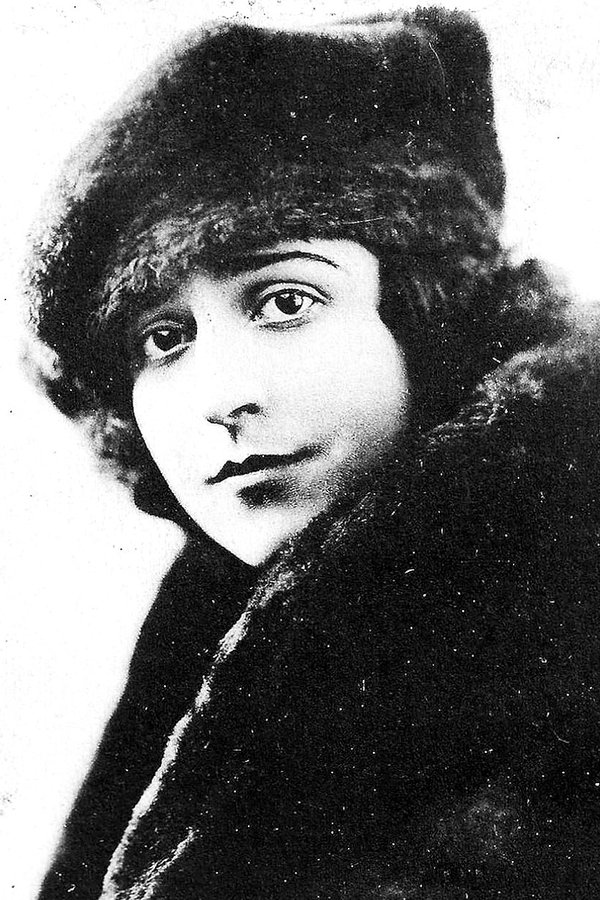
Catherine Calvert
Rosalie Lane
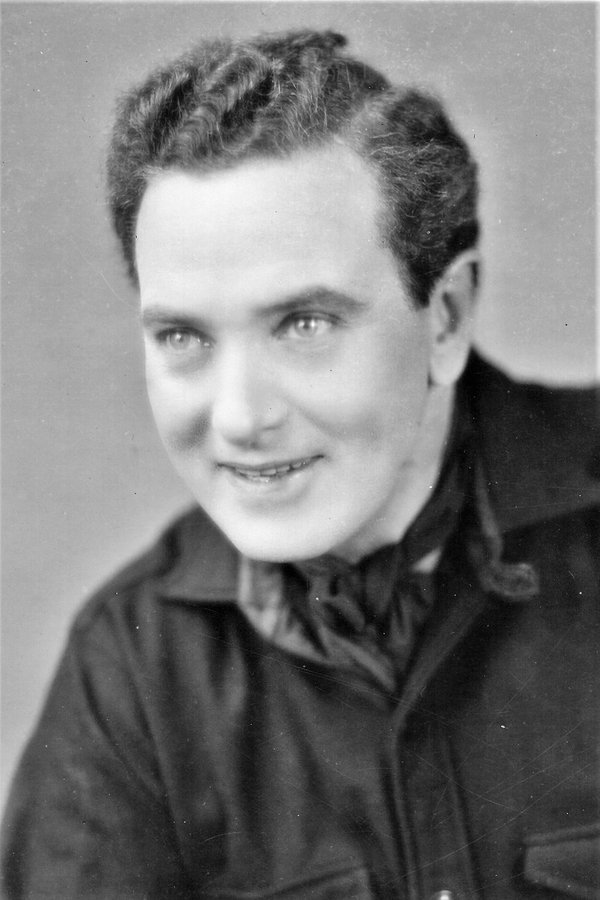
Herbert Rawlinson
Bob Storrow
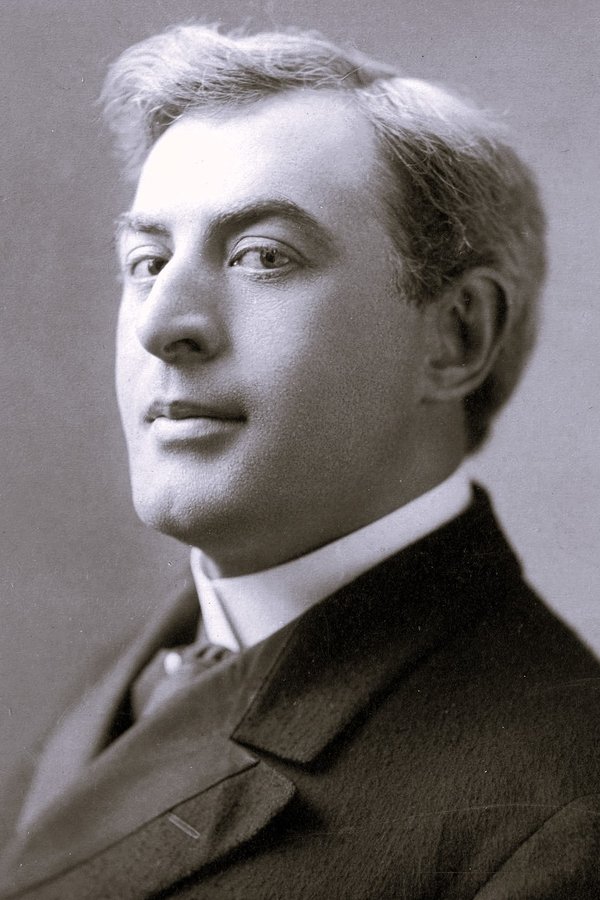
Fred Esmelton
Richard Storrow
Emmett King
Henry Treadwell
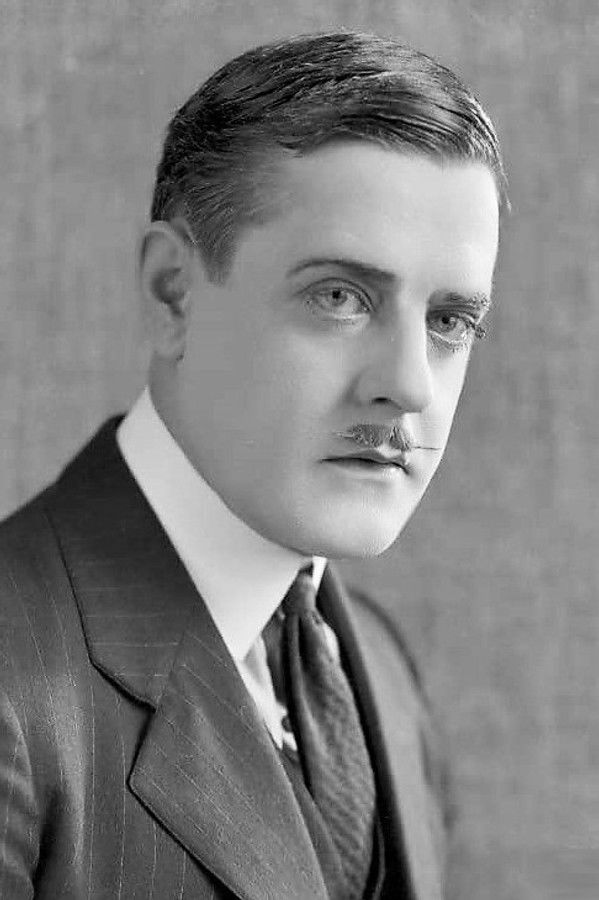
Harry Myers
Ralph Evanns
Ida Darling
Adelaide Storrow
Bessie Stinson
Madge Dowling
Eldean Steuart
Elise Storrow
Harry Lee
Jim Nash
Dan Malloy
Cashier
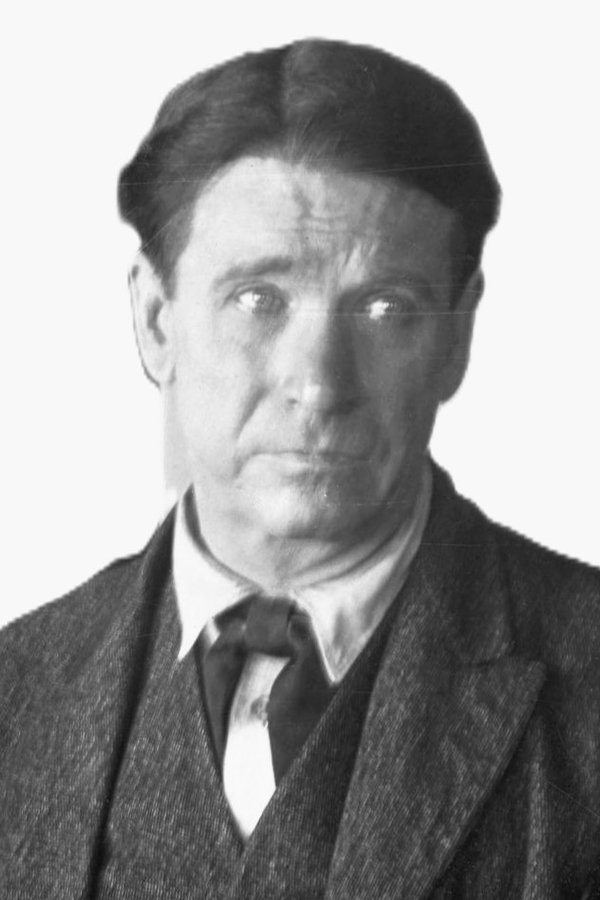
Barney Gilmore
Trustee of Magdalene Home
A film for the post-MeToo era that inverts the narrative with an ironic coda, Tár depicts the duality of a sensitive artist capable of great evil and vile manipulation.
Honey Don't! is a chaotic queer noir that's part detective story, part midnight movie madness. Margaret Qualley is fantastic as the wise-cracking private eye Honey, with Aubrey Plaza and Chris Evans adding their own dry humor to the mix. The mystery itself is pretty loose, but the film makes up for it with crackling sexual tension, weird side characters, and razor-sharp dialogue. It's messy and uneven, but in the best possible way.
This modern update of the beloved classic swaps Cyrano's signature pronounced nose for achondroplasia, for a different vision that still retains the original's essence.
Despite its glaring flaws, First Girl I Loved is not entirely undeserving of a watch. For people who can handle the more difficult aspects of the story and graphic scenes, it is worth looking into. It’s not a film worthy of rewatch, but it may still resonate somewhat with those who need a story like this. It is a genuine, if flimsy attempt at a coming-of-age tale. Were the film to be directed by someone with experiences more similar to Anne, it would likely be more powerful--as it is, it feels like a man’s perspective of what it means to come to terms with your identity as a lesbian.