Writing Great Villains: Why They Shouldn't Be Sympathetic
Writing great villains is about striking a balance between charming and evil, so we love them but also love to see them lose.
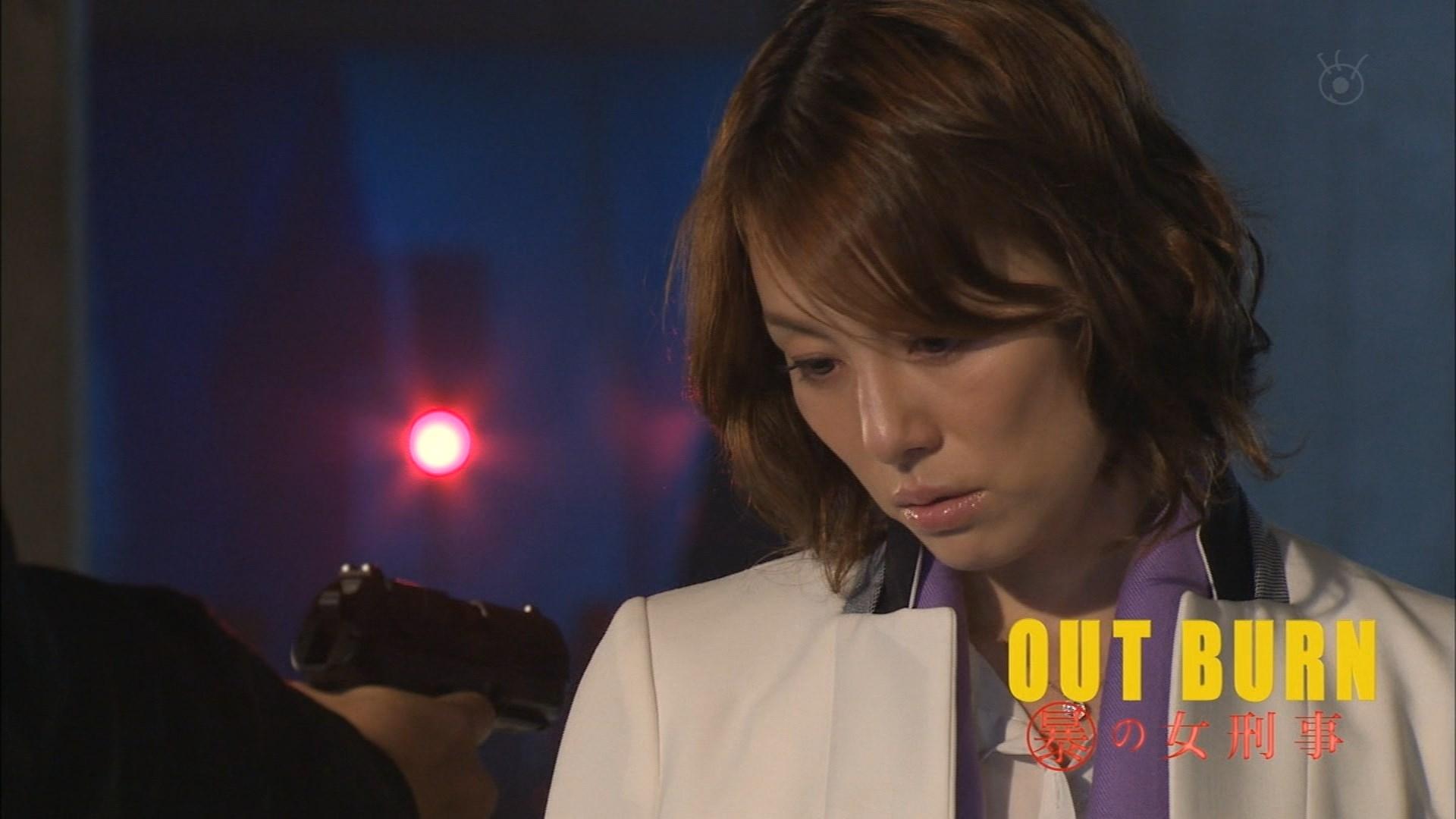



Eiko Yagami (Ryoko Yonekura) is a "Marubo", a unit of Ueno Central Police Station's Organized Crime Division which deals directly with organized gangs to try and keep the peace. However, Eiko has some sidelines: she's a moneylender to her fellow police officers without charging interest in return for information and is also willing to do the odd side job for those on the criminal side for the money. One day, Kasumi (Riho Takada), who is the daughter of Senma-gumi gang's leader (Toshiyuki Nishida), is found stabbed to death. As this threatens to pit gang against gang, Eiko and the police have to hurry and find her killer.

Masaki Nishiura
Director

Ryoko Yonekura
Eiko Yagami
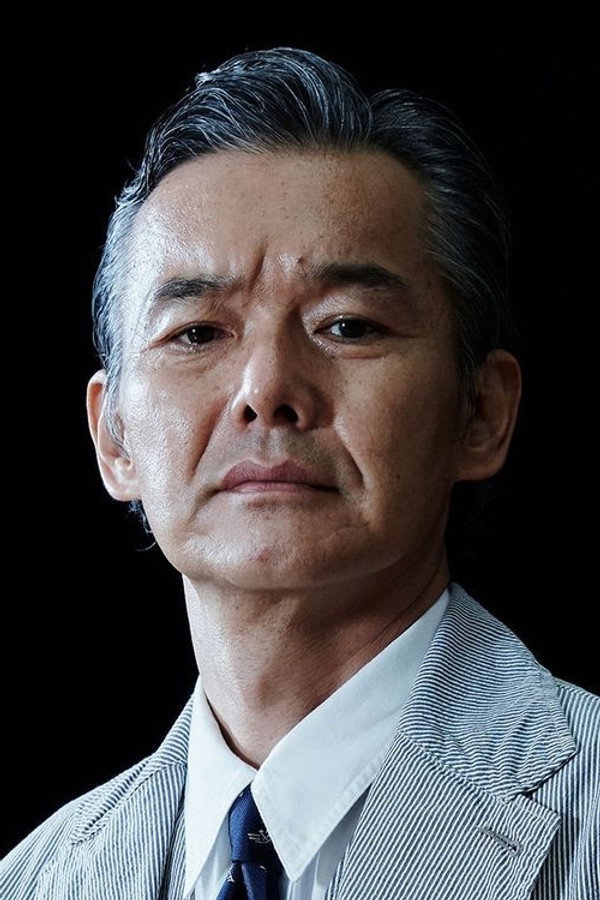
Atsuro Watabe
Masahiro Tominaga
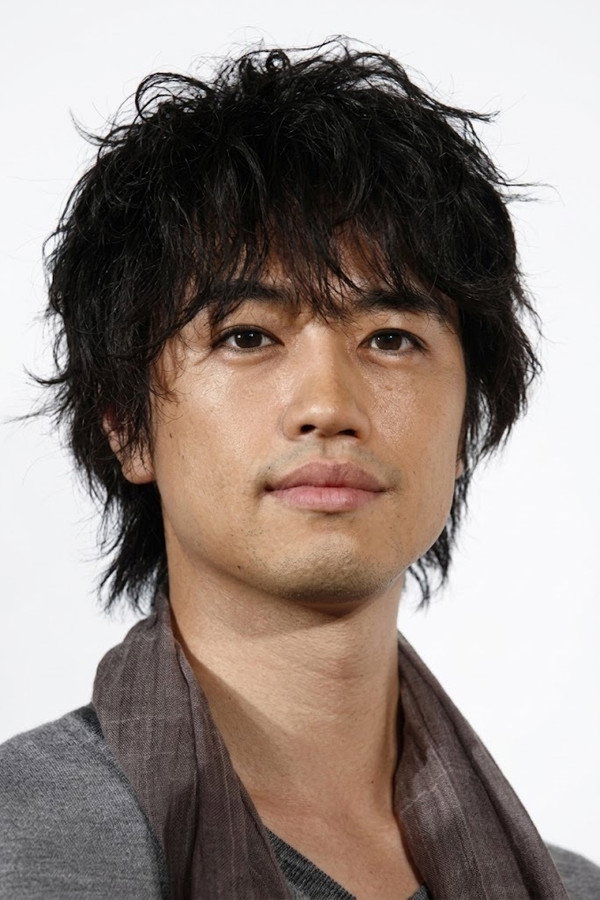
Takumi Saitoh
Michiaki Kai
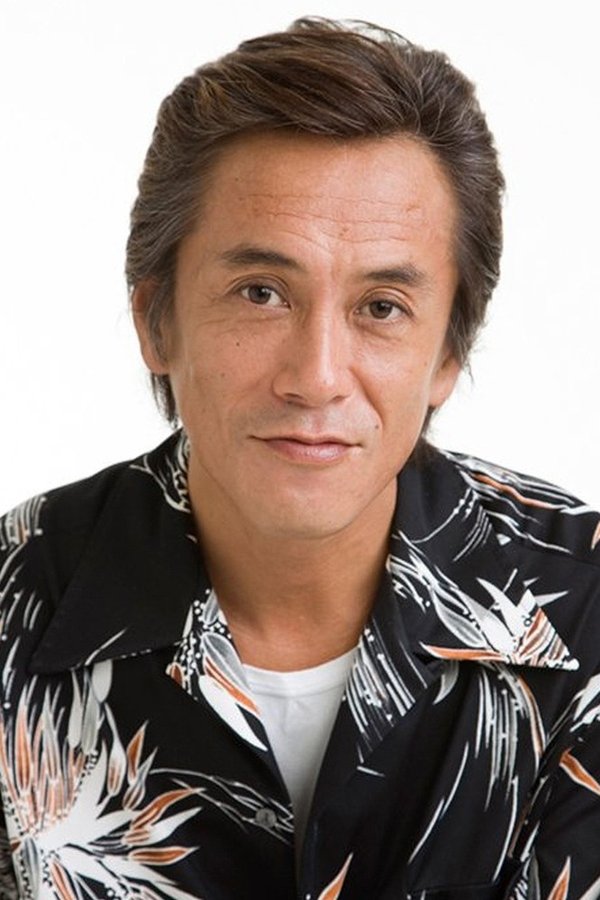
Susumu Terajima
Shuuhei Kawakami

Sho Aoyagi
Satoru Izawa

Shizuyo Yamasaki
Satomi Ochiai
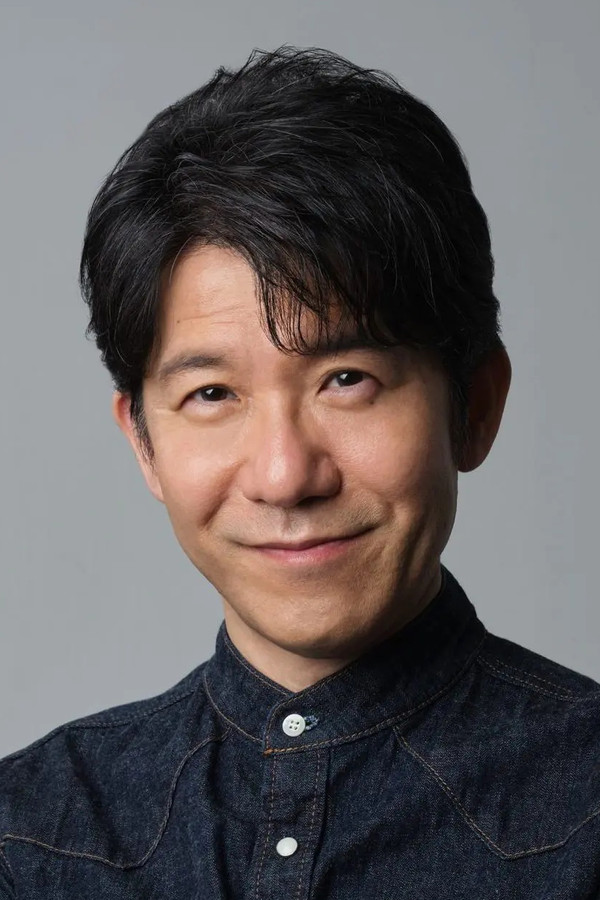
Ichirôta Miyakawa
Hiroshi Tanabe
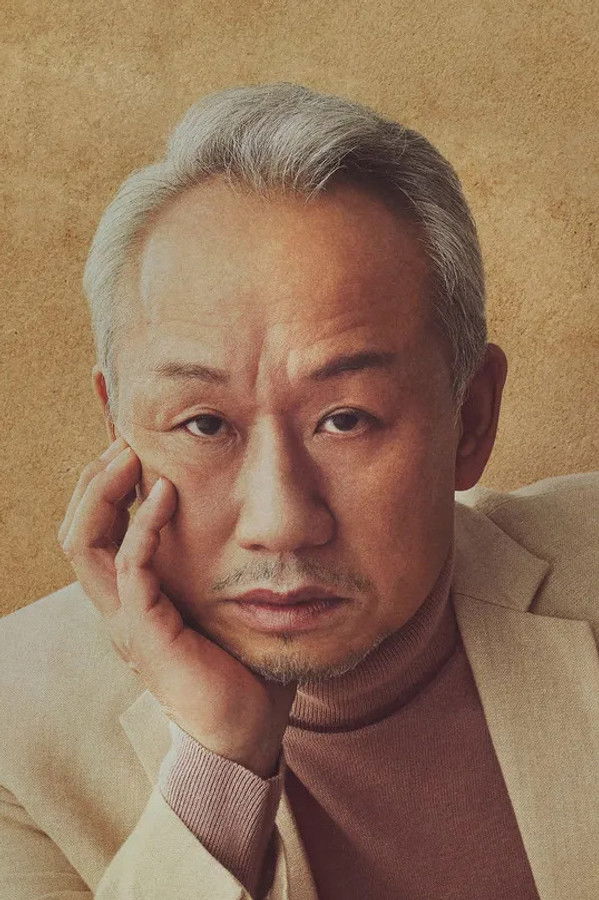
Masahiko Nishimura
Tetsuo Sawaki

Takanori Jinnai
Joji Totsuka

Keiko Toda
Kyoko Noshiro

Shima Iwashita
Eirei Ryu
Writing great villains is about striking a balance between charming and evil, so we love them but also love to see them lose.
I highly recommend Dark Waters. It’s a highly engrossing picture, which lends itself to cautionary storytelling. The dark information continually grows, inspiring change and accountability altogether. Overall, Haynes’ picture will not be known for its inclusiveness--but it will be known for being a fantastic, engrossing film.
Marvel’s animated show What If...? ended last week, so let’s go back and look at all of the different universes shown and rank each episode from worst to best!
These confines won’t really encourage you to read the film as a metaphor for the nerve-inducing experience we’ve all been through over the last year, however — and in the interest of maintaining your dignity, you probably shouldn’t. While the sociopolitical commentary may have worked for the similarly-themed Buried (2010), in which we find Ryan Reynolds on his own buried alive in the Middle East, but this futuristic take on the premise is best left as a piece of distracting entertainment. Nevertheless, the atmosphere is no less suffocating, literally and dramatically.
While it is more than established that Halston’s life is far from a fairytale, the narrative suffers as a result of the decision to revolve more around sex and drugs than his artistry, it likely does a disservice to his cultural impact by pulling focus from his achievements.