



The Relentless Victimization of Marilyn Monroe in "Blonde"
'Blonde' commits a relentless assault on the autonomy of Marilyn Monroe, reducing the icon to nothing more than a victim of the director's whims.
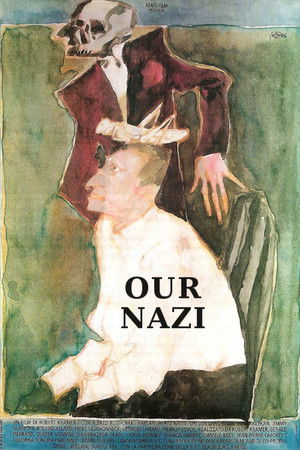


In Our Nazi, we are plunged into a situation we barely, and only slowly, understand: the filming of Thomas Harlan’s experimental feature Wundkanal (1984), in which true-life ex-SS officer Alfred Filbert, now very old, is ‘put on trial’ for the camera, without him suspecting what is to come or why he is really there. Kramer’s confronting film is an essay about the sticky complicity of everyone present at this event, each bringing their own history, their own political ideology, their own desires to take revenge, to seek redemption or compassion, or just to put their heads down and ‘get the job done’ professionally, or (in the case of Filbert) to be a star, a part of the magnificent, magical, seductive world of cinema, even if it kills him.
'Blonde' commits a relentless assault on the autonomy of Marilyn Monroe, reducing the icon to nothing more than a victim of the director's whims.
Like Stars on Earth is a representative movie that talks about dyslexia to young audiences and why it is important in today's generation.
Rather than following in the footsteps of poorly made horror flicks, “The Quiet Place” follows original concept.
Eternals is an interesting concept and unique visuals, but slow pacing and rushed character development suggests it should have been a mini-series.
Tired of being cooped up in their cages, the critters escape the Australian zoo and try to find their way to the outback.
WandaVision is already proving to be a huge success.