
'Life & Beth' and 'Sort Of' - Two New Series Bravely Lose The Labels
J Brooke, Incluvie Guest Columnist on 'Life and Beth' and 'Sort of': while living one’s truth is freedom, speaking it as a mandatory assignment can become captivity.
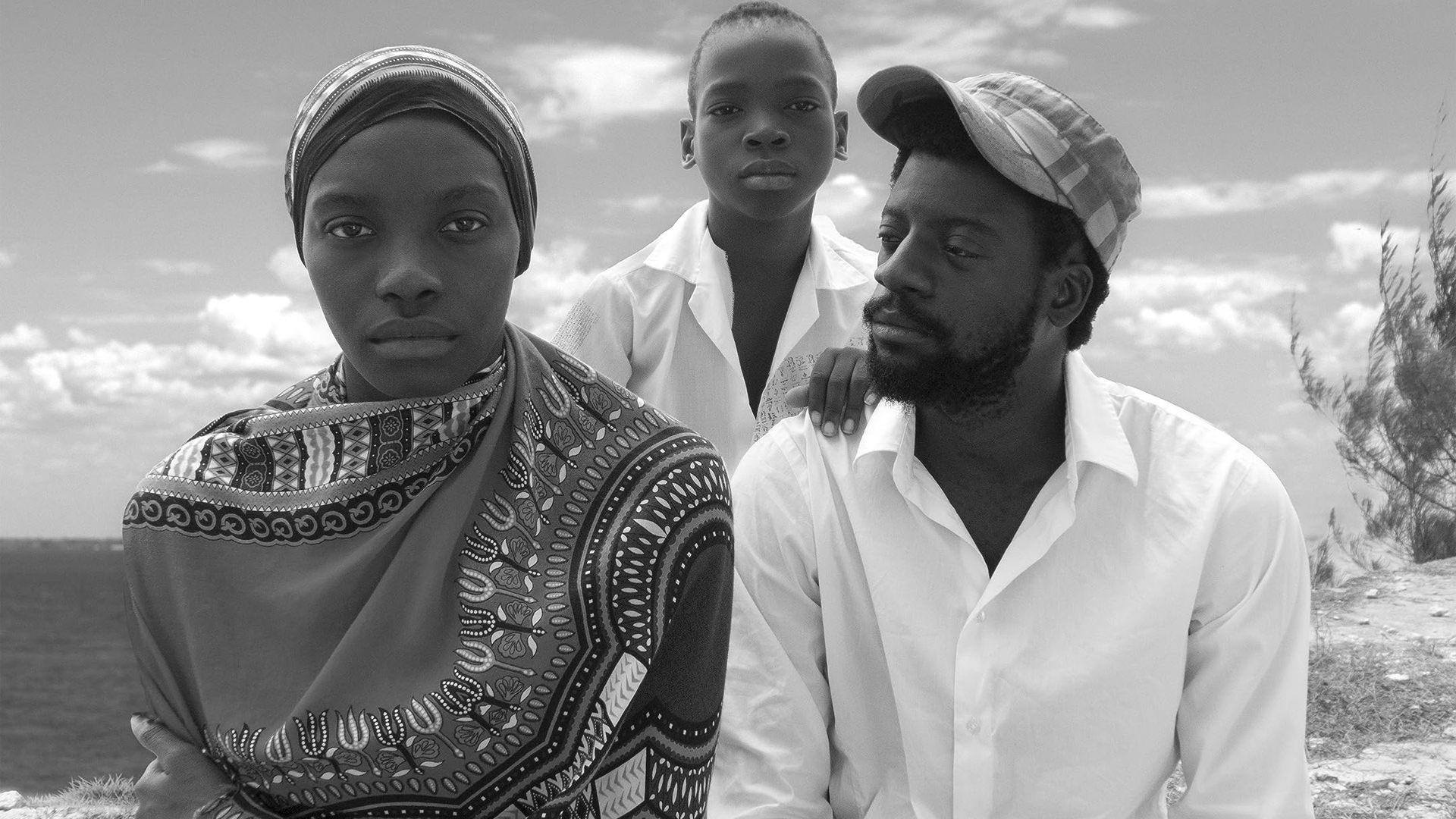
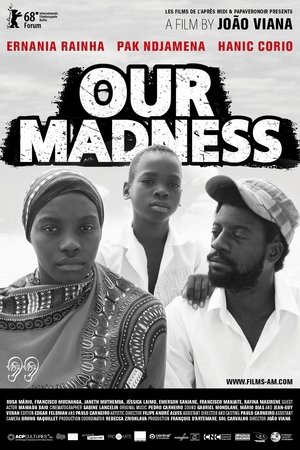


Ernania is hospitalized in a psychiatric hospital in Mozambique. She dreams about her little son, Hanic, and her husband, Pak, who is a soldier of the war. In the meantime, a quirky musical instrument plays: her own bed. Ernania’s musical virtuosity, attracts the attention of the hospital nurses. One day, her song is played in a radio program and Rosa, an evangelical priest of “Rádio Moçambique”, goes to the hospital to listen to Ernania’s song. Ernania takes the priest’s visit as an opportunity to run away from the hospital.
J Brooke, Incluvie Guest Columnist on 'Life and Beth' and 'Sort of': while living one’s truth is freedom, speaking it as a mandatory assignment can become captivity.
Sam Levinson's latest film can't keep up with the excellence of its performances.
'Prey' is the seventh edition of the Predator series and offers a new take on the iconic hunter and an amazing representation of Native Americans.
The social issues The Half of it takes on are handled well, between the antagonization brought on to Ellie for her race and the conflict that arises from her being gay. Both aspects of her character are built up over the course of the film and don’t seem abrupt or rushed. The film shows racism towards Ellie and her and father in varying levels, from having her schoolmates specifically address her as "Chinese girl” to the fore mentioned way her Dad is treated due to language barriers. The same can be said about Ellie being a lesbian. While she never truly “comes out” in the narrative, that does not undermine her journey of self-discovery from being meaningful. These ideas aren’t thrust upon the viewer in a preachy manor, the scenarios that occur feel believable given the rural setting. The film presents watchers with problems whom those like Ellie may face, and leaves us to sit with them and reflect.
I am an Armenian who has a mild form of epilepsy. I rarely see Armenian culture and epilepsy properly portrayed in film or TV. I delve into the how and why.