





“Host:” Quarantine Horror for the Online Generation
Shudder’s Host (not a particularly original title, I must say) attempts to bring the spooks to “the quarantine generation” by presenting us with a scary Zoom call during lockdown.
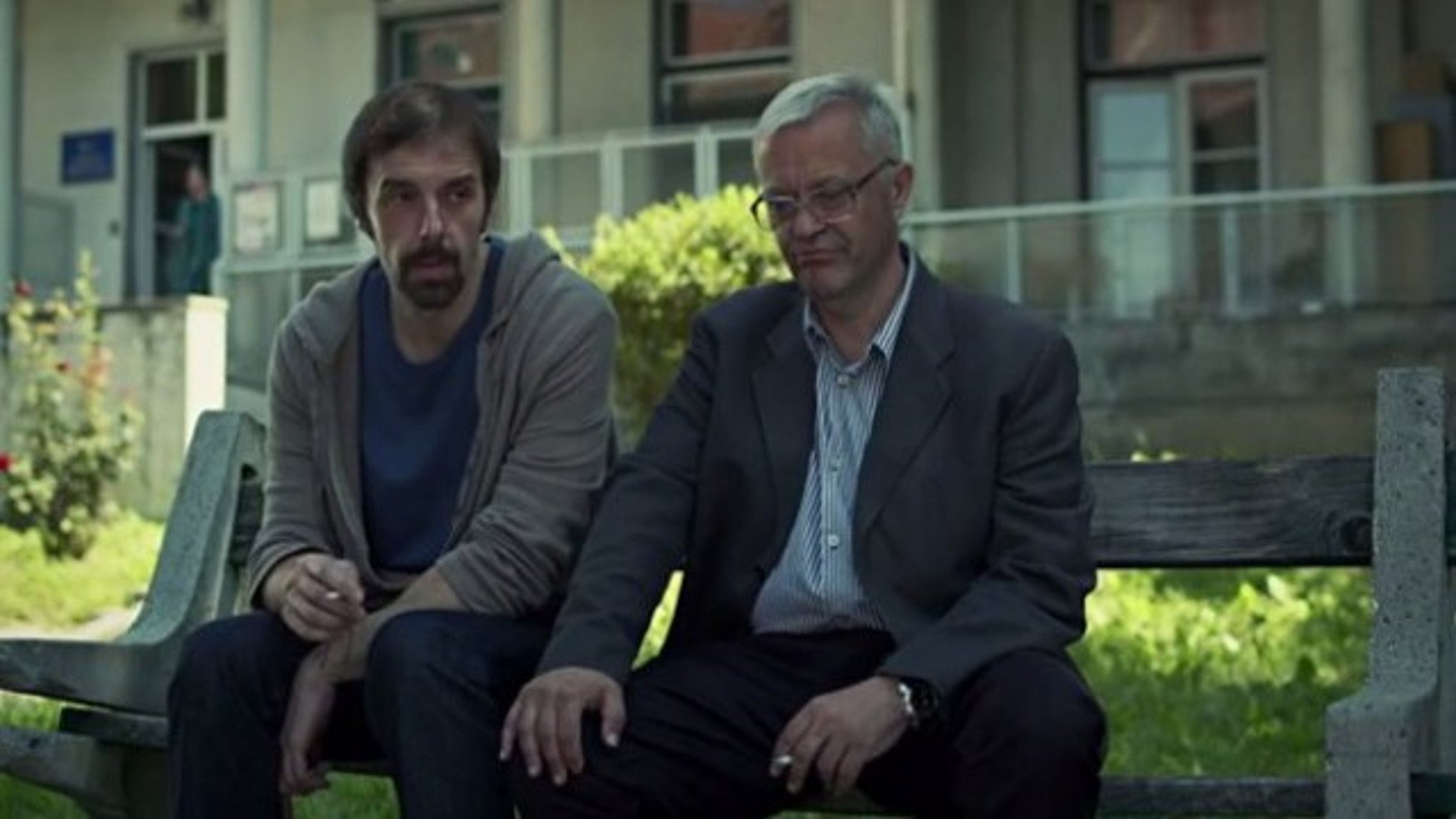
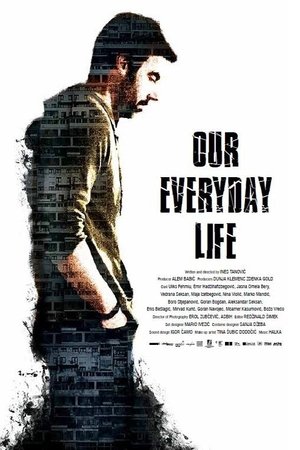


Family Susic lives everyday Bosnian story. Father Muhamed (63) is employed in a reputable company; mother Marija (60) is retired. Son Sasa (35), who spent the war in Army of Bosnia and Herzegovina, lives with his parents, while their daughter Senada (40) lives in Slovenia. Their life begins to fall apart because of father's dissatisfaction after his company is sold on the stock exchange, Sasa's negligent attitude towards work and family, Marija's breast cancer diagnose. When problems begin to line up Muhamed and Sasa realize that actually only family is important, that it is man's last oasis
Shudder’s Host (not a particularly original title, I must say) attempts to bring the spooks to “the quarantine generation” by presenting us with a scary Zoom call during lockdown.
After the 2018 surprising hit "A Quiet Place" brought something fresh to the horror genre, the announcement of a sequel may have been disappointing to some. A lot of the time, a sequel to an already successful movie is no where near as good as the original. Yet, John Krasinski once again shows that he's much more than Jim from The Office.
Through three intricately crafted seasons of television, "Hannibal" has managed to make itself into the best incarnation of the self-titled work.
Ever since the mid-’90s, the Mortal Kombat game franchise has seen multiple attempts to make it on the big screen, or at least adapted into other media.
This is a movie that combines a ghost story, revenge tale, and serial killer obsession into a cinematic experience that uses your fears against you.
Throughout Brendan Fraser’s career, he has played a plethora of unique, layered characters who explore the importance of not being afraid to display your emotions, something that is often seen to not be a masculine trait. This idea of regulating emotion and what traits men are able to possess creates a toxic atmosphere for men who are often told they should not cry or represent their emotions in any physical way. These characters represent that men can be joyful, emotionally conscious, and sensitive, while also representing their masculine identity instead of painting those qualities as fighting against their masculinity.