

A Dog's Life Leads to a Heart Parade
A young woman who dislikes dogs changes forever when a beloved pet comes into her life in this heartwarming story for animal lovers.
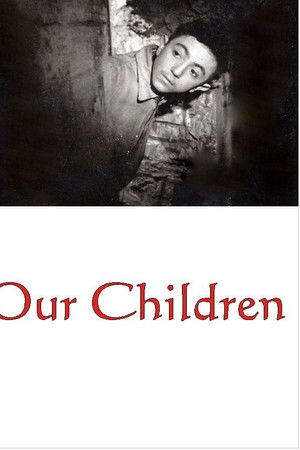


This semi-documentary film (and Poland’s last Yiddish feature) features the comedy duo Shimon Dzigan and Israel Shumacher who had recently returned from the Soviet Union, and Jewish children who had survived the Holocaust. Directed on location by Nathan Gross and Shaul Goskind at at the JDC-supported Helenowek Colony, an orphanage and school near Lodz, this film includes Dzigan and Shumacher's virtuoso turn as all the characters in Sholem Aleichem's Kasrilevke Brent (Kasrilevke is Burning), and an exchange of roles where they become the children's audience. Reversals continue during the performers' visit to the children's residence, as the children teach adults about the healing possibilities of music, dance and storytelling.
A young woman who dislikes dogs changes forever when a beloved pet comes into her life in this heartwarming story for animal lovers.
An indie production of a romantic drama with a country-western feel meant to explore lost love.
“Jumanji - a game for those who seek to find, a way to leave their world behind...” A nostalgic classic that remains unnerving, "Jumanji" draws audiences into a chilling adventure.
Meander, released in 2021, is a French gory horror film featuring a woman trapped in small spaces as she fights for her life, paralleling real pandemic life.
Adam Sandler goes hard as an NBA scout in this male-heavy sports-drama.
In a film where a Black couple is framed to be the lead characters, they still managed to get shuffled off to the sidelines. The enthusiastic cast delivers well on goofy bits- but can only go so far before they begin to fall flat.