


Reflecting on 'The United States vs. Billie Holiday'
Lee Daniels’s Billie Holiday biopic The United States vs. Billie Holiday was released on February 26th, 2021, and my immediate reaction to it was one of discomfort.
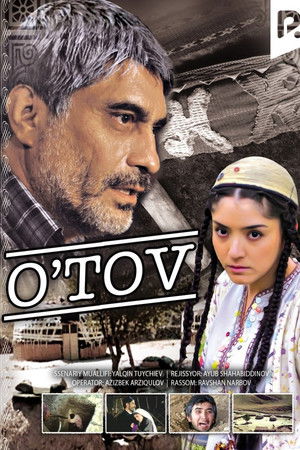


Ubaydullo and his son Javohir live in a village at the foot of the mountain. His grandfather was overthrown by the Soviet regime, and his father was exiled to Siberia as an enemy of the people. Ubaydullo prays, tends his sheep, and tries to protect his son from the outside world as much as possible; he forbids him from going to university and joining the army. But his son rejects his father's overprotectiveness. Meanwhile, Javohir's girlfriend marries another man. One day, Javohir brings a television home, but his father smashes it and buries it. Javohir secretly enlists in the army. Meanwhile, Ubaydullo marries a blind girl named Zaynab, and after some time, they have a daughter. Javohir returns from the army with various bad habits (addictions). His father, Ubaydullo, buries his son to re-educate him. The film ends with the family living happily ever after.
Lee Daniels’s Billie Holiday biopic The United States vs. Billie Holiday was released on February 26th, 2021, and my immediate reaction to it was one of discomfort.
A best friend that will stick with you to the end, on a group trip from hell, is someone to die for.
It is the attention to detail that makes Wolfwalkers resonate more than Luca for Queer representation
The intrepid archaeologist's latest adventure is an exciting, nostalgia-driven exploration of clashing ideologies amid ever-changing social dynamics and technological advancements.
Hiring bias is something that's rampant in all industries (even unconscious bias). But writing a script totally neutral not only opens the door for more diverse actors, but also for characters that are people first.