

‘My Big Fat Greek Wedding 3’ Is A VICTORY For Queer Representation
'My Big Fat Greek Wedding' is a franchise built on inclusive storytelling.
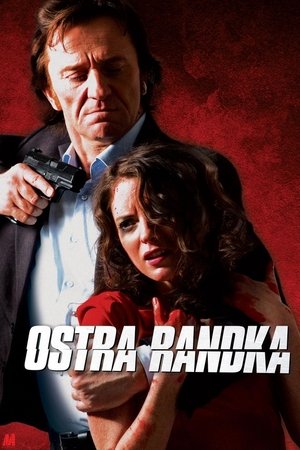


After a quarrel with her boyfriend Goshia is kidnapped by a dangerous criminal. She will have to fight for his life.
'My Big Fat Greek Wedding' is a franchise built on inclusive storytelling.
If the message here is that without a support system, grieving people turn into monsters, it’s not really well-delivered and may be flawed as a message itself.
So with the recent (rightful) public apologies to Britney from comedians and media for trashing her image in the 2000s, perhaps some people should also give Crossroads the fair chance it deserves. It won't be everyone's cup of tea, and that is fine. Personally, I will take my girl Britney and her movie, over the next testosterone "Dude Flick" any day.
The Invitation takes a creeping look at two simple premises: reuniting with forgotten friends and new-age spiritualism. Though one seems a bit scarier than the other, the film heightens social awkwardness to a macabre level that puts an uncomfortable look on when the social taboo of grief is put on public display.
The film exhibits a respect for the craft and an empathy for human tribulations that have historically been ignored.
Netflix’s Shadow and Bone has a complicated relationship with race. It has a diverse cast, but not without its problems. Based on Leigh Bardugo’s two book series, the show features characters from the Shadow and Bone trilogy, which is very straight and white, and the Six of Crows duology, which is much more diverse. When bringing together a cast and writing about these characters, the team behind the show expanded upon some of the representation missing from the first trilogy, then seemed to take away representation from the duology. Shadow and Bone seems to play a bit of a push and pull game when it comes to portraying diversity onscreen.