

“Coyote vs. Acme” and People Power
We are incredibly blessed that this movie is available for us to see, and we should take advantage of the opportunity we’ve been given.
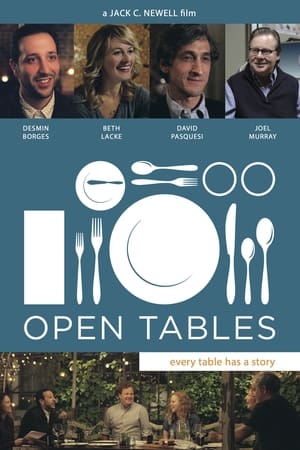


Within the walls of the trendiest Chicago restaurants, behind the closed doors of private dinner parties, and on the banks of the Seine in Paris, OPEN TABLES explores true love, love lost and the importance of a good main course.
We are incredibly blessed that this movie is available for us to see, and we should take advantage of the opportunity we’ve been given.
Taylor Swift details her successful music career in country and pop genres in this featured documentary film Miss Americana.
"Be good. It doesn’t mean you can’t be tough. It doesn’t mean you always have to be nice. Just be good."
The film is bogged down with one-off rain monster threats that always come to a quick and undramatic end
A brave Indian woman rises from an oppressive background to become an inspired leader for women and men alike around the globe.
Wilde’s coming-of-age comedy directorial debut is simultaneously hilarious and entertaining, and remarkably heartfelt and relatable.