

“The Owl House”: The First Bisexual Disney Hero
The Owl House has swiftly become one of Disney’s beloved cartoon series.
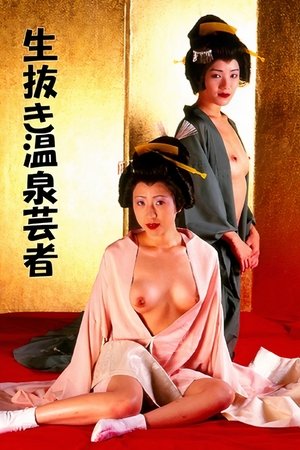


Hinako, a geisha, comes from a family of three generations of geisha. She started her career as a geisha in earnest after breaking up with her childhood friend and boyfriend from an old family. She and her fellow geisha friends, Koyomi and Mitsuba, get along well, entertaining customers whenever they feel like it, but Mitsuba is pregnant with the child of a man who comes once a month on business.
The Owl House has swiftly become one of Disney’s beloved cartoon series.
Desi Arnaz was an innovator in television and Lucille Ball was a sketch comedy clairvoyant of sorts; 'Being the Ricardos' focuses on their genius as a couple, but shies away from the interracial aspect of their marriage.
"King Richard" paints a nuanced portrait of a Black father trying to ensure his daughters’ success in a racist, misogynistic world. Yet, Richard and his kids overcome that fear and adversity to succeed.
The 'Hawkeye' season finale features all kinds of cool characters and resolves its loose plot threads efficiently, yet it's lacking when it comes to the vital development of its characters.
Unrelentingly funny, highly entertaining, and ridiculously absurd, My Movie Starring Paul Dano is, according to its creator, Joe Bartone, a tribute to the willful ignorance of independent filmmaking found in the late '70s in New York City. Developed through open discussions with the cast at the reading table, the mockumentary follows a delusional and fame-starved indie director, Herman Rumowicz, through the process of making his very first feature movie starring Paul Dano.
Throughout Brendan Fraser’s career, he has played a plethora of unique, layered characters who explore the importance of not being afraid to display your emotions, something that is often seen to not be a masculine trait. This idea of regulating emotion and what traits men are able to possess creates a toxic atmosphere for men who are often told they should not cry or represent their emotions in any physical way. These characters represent that men can be joyful, emotionally conscious, and sensitive, while also representing their masculine identity instead of painting those qualities as fighting against their masculinity.