
A Haunting Portrayal of Motherhood in "The Lost Daughter"
'The Lost Daughter' doesn't paint over the choices Leda and Nina make as mothers as right or wrong but examines the messy in-between.

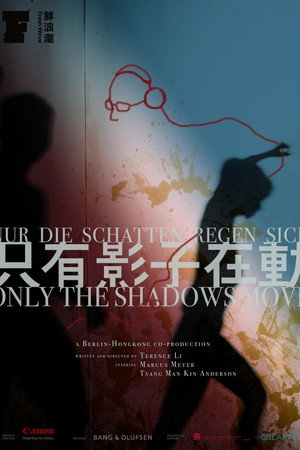


Kevin, a young theatre director from Hong Kong, is searching for ideas for his next play with his team, hoping to get funding for an overseas production. Frank, a middle-aged hairdresser in Berlin, is performing his daily routine. Coincidences bring them together, though their friendship is dictated by the parameters of the smartphone. Kevin decides to adapt the stories of the Berlin Wall to the stage, as old memories of living in East Berlin come flooding back to Frank. Shadows, in their literal and metaphorical sense, become the third wheel which silently alters their lives and turns into a story that transcends the boundaries of reason. Through this experimental work, director Terence LI sheds light on the inner space-time of the queer and the displaced.
'The Lost Daughter' doesn't paint over the choices Leda and Nina make as mothers as right or wrong but examines the messy in-between.
A refreshing twist is that all the kids’ powers are…kind of useless. There’s a kid who can only move in slow motion, a kid who has every power in the world but can only use them randomly, and our main character Missy who has no powers at all. The thesis of the film seems to be that it doesn’t matter what kind of powers you have, its the way you use them, which is good for the warm and fuzzies.
Happy Halloween! If you were debating capping off Spooky Season with a viewing of Hocus Pocus 2, it is just very clear that this is more for the younger audience as opposed to people who grew up with the original.
How closely should film adaptations follow their source material? Let's take a deep dive into "Norma Rae", and find out.