'Zola' is a Modern Black Fairytale
It’s fun, it’s energetic, but it’s also understated and vicarial. Zola is a modern black fairytale and future of black movies.



Momoka Onigawara wants to have a fulfilling high school life without anyone finding out her embarrassing secret – her family are oni, with their horns popping out when they get flustered. She reunites with her former childhood friend Ren, who wants to make a movie to one-up his famous director father. After they find out that the script he seeks was originally written by Ren's father, Momoka's father, and Momoka's dead mother when they were high schoolers, they decide to live out their youth by making the movie.

Genki Takigawa
Director

Manami Igashira
Onigawara Momoka

Mizuki Itagaki
Aotsuki Ren
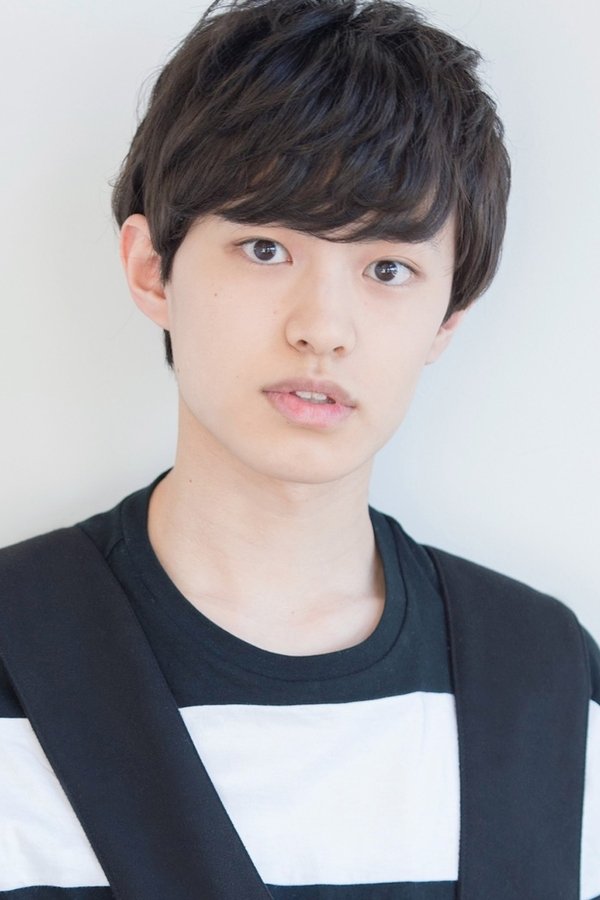
Kaisei Kamimura
Jinguuji Misaki

Hiyori Sakurada
Matsumaru Tiara

Shunta Sono
Sorimachi Tokiya

Tomomitsu Yamaguchi
Onigawara Daitetsu
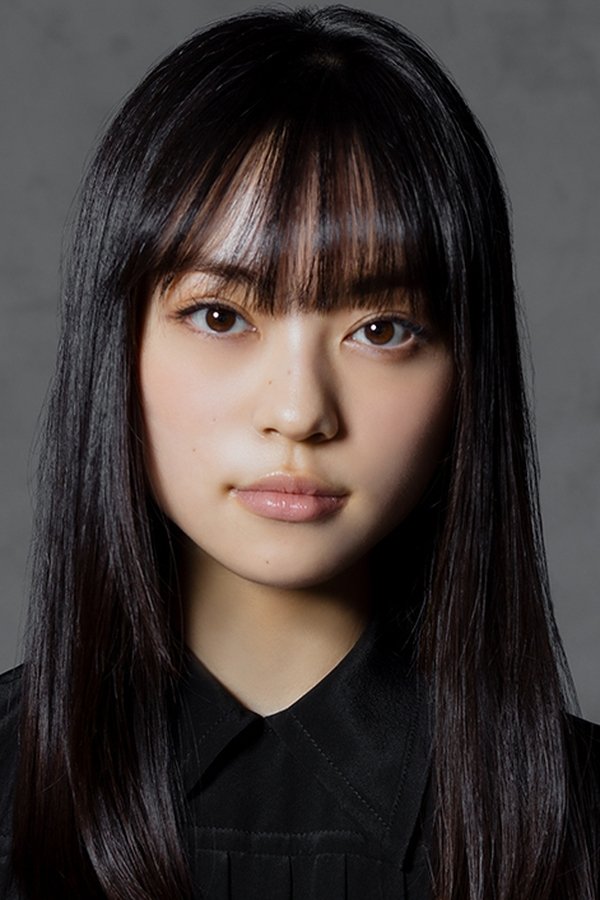
Amu Fukao
Onigawara Ririka

Sara Shida
Onigawara Hitomi

Ryushin Tei
Otsuki Shinobu
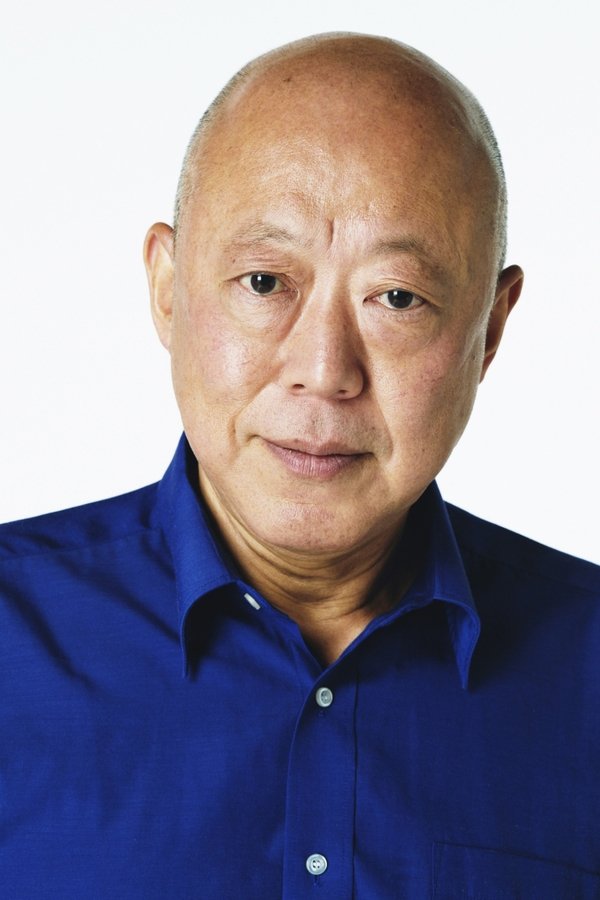
Naomasa Musaka
Rogaku Kusumoto
Maki Utsunomiya
Ms. Kijimoto
It’s fun, it’s energetic, but it’s also understated and vicarial. Zola is a modern black fairytale and future of black movies.
Fiction doesn't have to be the model for how our real-life pandemic plays out. Here's how we can avoid the dangers shown in "Contagion."
"Terrace House" improves on the standard reality TV format by affording its cast privacy, freedom, and respect.
We sat down with Writer/Director Albert Acosta to discuss his debut short film, (ha-ha), Acosta's foray into narrative cinema, and how his personal experiences have shaped his filmmaking philosophy.
I imagine that it would be a dream job for an actor to play the parts of twin brothers Dominick and Thomas Birdsey in I Know This Much Is True.
The cultural insensitivity of 'Slumberland' is discreet, and can be easily overlooked in CGI extravaganza.