

“Omaha”: Innocence Broken by Economic Injustice
Omaha reminds us of what it can feel like to look at old family photographs. You sit with the bittersweetness, allowing it to wash over you; not drowning in it, but certainly affected by it.
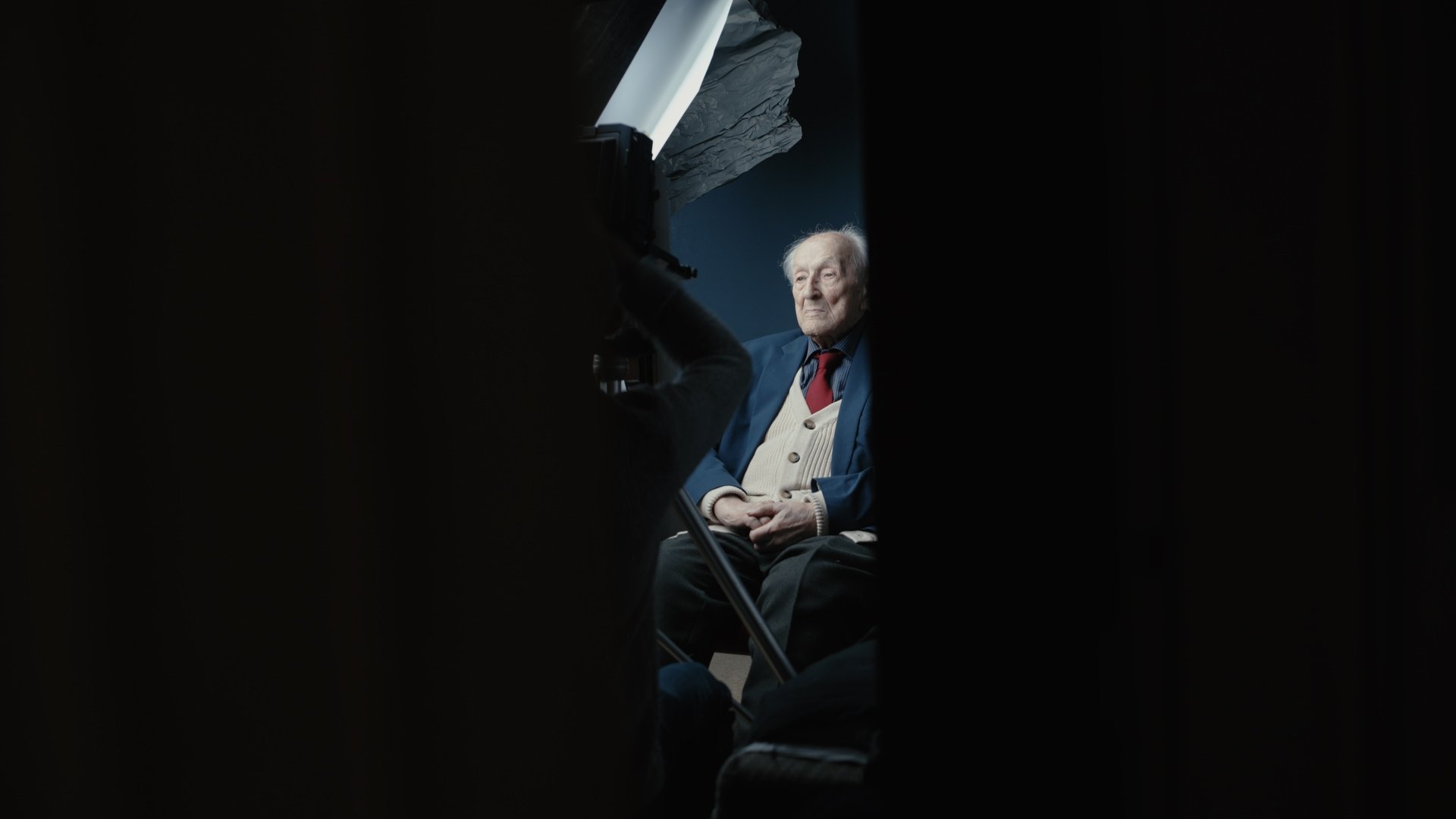
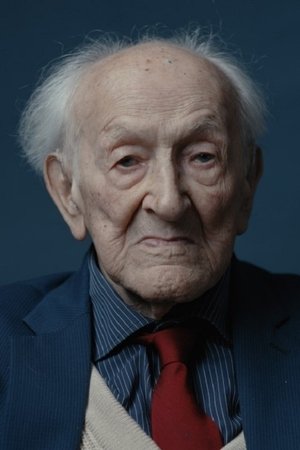


What happens in the eyes of a 100-year-old filmmaker? Rolands Kalniņš, one of the great masters of Latvian cinema, sits down to have his photo taken and looks straight in the lens. Kalniņš’ life has spanned an authoritarian regime, a world war, long years under Soviet occupation and censorship, and retirement in independent Latvia. His films have been censored, destroyed, found and restored. But here, like Herz Frank once did with a child, for ten minutes we shall observe the micro-emotions of a man who has dedicated his life to film. Confronted directly by the tool of his trade, the camera. As we face Kalniņš eye to eye, we hear the sounds of his present, and the memories of his past.
Omaha reminds us of what it can feel like to look at old family photographs. You sit with the bittersweetness, allowing it to wash over you; not drowning in it, but certainly affected by it.
Throughout the film, Kate desperately tries keeping her status as an influential YouTuber; however, her follower and view count crumble, mirroring the world around her.
The sequel to the 2010 live-action movie focuses on sibling rivalry.
White audiences saw Peola’s mixed-race passing as a Black woman’s struggle to be white. Black audiences saw it as the rebellion of a Black woman trying to gain privileges only given to white people.
A lonely little Hawaiian girl and her mischievous blue alien friend form a bond that heals both of their hearts, as well as ours. This live action version adds emotional nuances—notably in the sisters’ dynamic—while preserving the charm of the original.
The singer recounts the memories of writing and creating her record-breaking debut album and shares her feelings as a young woman navigating a specific time in her life.