


Silliness and the Undead - Zombieland: Double Tap
'Zombieland: Double Tap' was entertaining and fun at times, but not very evolved. It had poorly developed female characters and stereotypical characters of color.
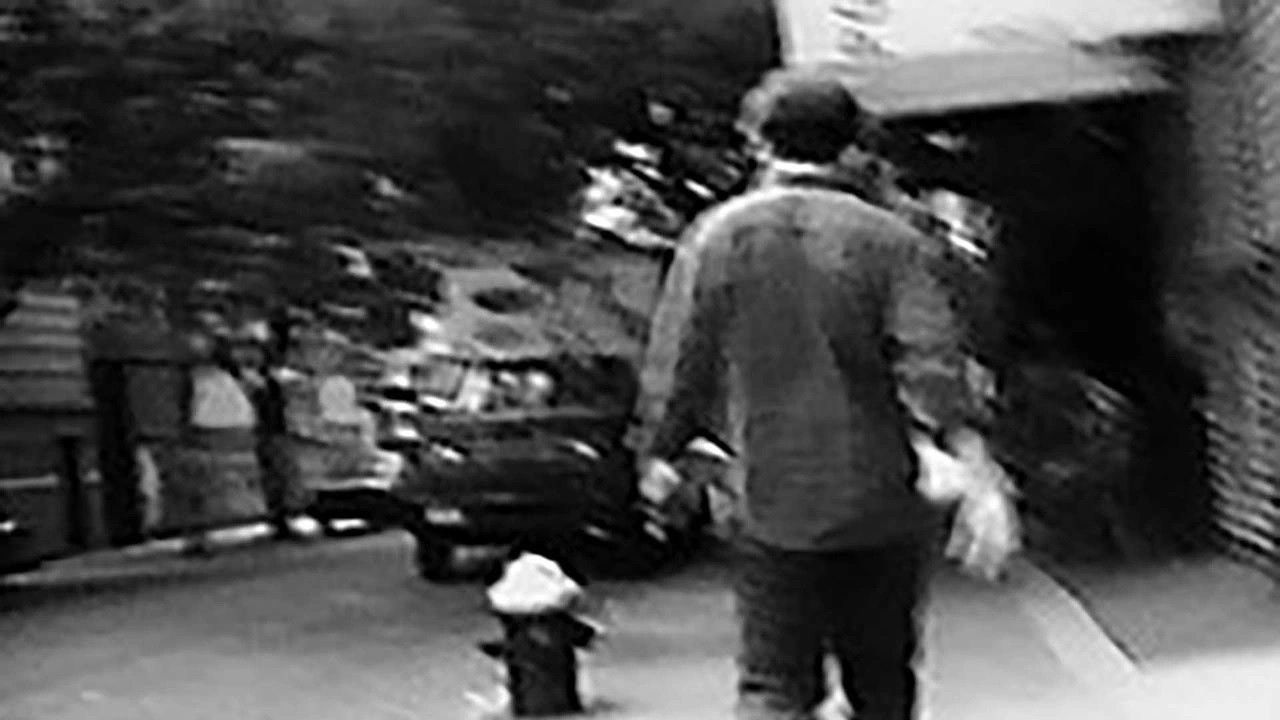


One of the longest handheld tracking shots in film history, It’s Real documents an hour in the street life of downtown Manhattan. Not only is it a unique record of a particular time and place—July 26, 1990, from 3:45 to 4:45 p.m. in the Lower East Side near Robert Frank’s studio (we note in a Daily News headline that after some 20 years the Zodiac killer still hasn’t been identified)—it’s also an experiment in fragmentary language, gesture, and life caught unawares. Snippets of dialogue captured in passing at phone booths and crosswalks, in alleyways, subways, and diners—chance encounters, only presumably, with people going about their day—have something of the aleatory cut-up technique of the Dadaists in the 1920s and William Burroughs and Byron Gysin in the 1950s, an effort to divine new and deeper meanings in ordinary life. — Museum of Modern Art
'Zombieland: Double Tap' was entertaining and fun at times, but not very evolved. It had poorly developed female characters and stereotypical characters of color.
The sequel to the first film, A Second Chance: Rivals! talks about Maddy combating cyberbullying and racism.
GOAT (2026) opens to the chanting of a crowd: "Roots run deep!" The rest of the film goes on to echo that sentiment, offering gorgeous animation and a heartfelt story along the way.
Holiday hijinks ensue when a recently separated couple are both accidently invited to same holiday celebration.
Adam McKay might have been more concerned with cramming cameos than he was in this story which is a bloated criticism of the rich and famous… delivered unto us by the rich and famous.
The live-action remake of the classic Disney film based on a wooden puppet is finally here.