



Once Upon a Time in (White) Hollywood
Tarantino's alternative history of the 1960's uncritically repeats the era's sexist and racist stereotypes.

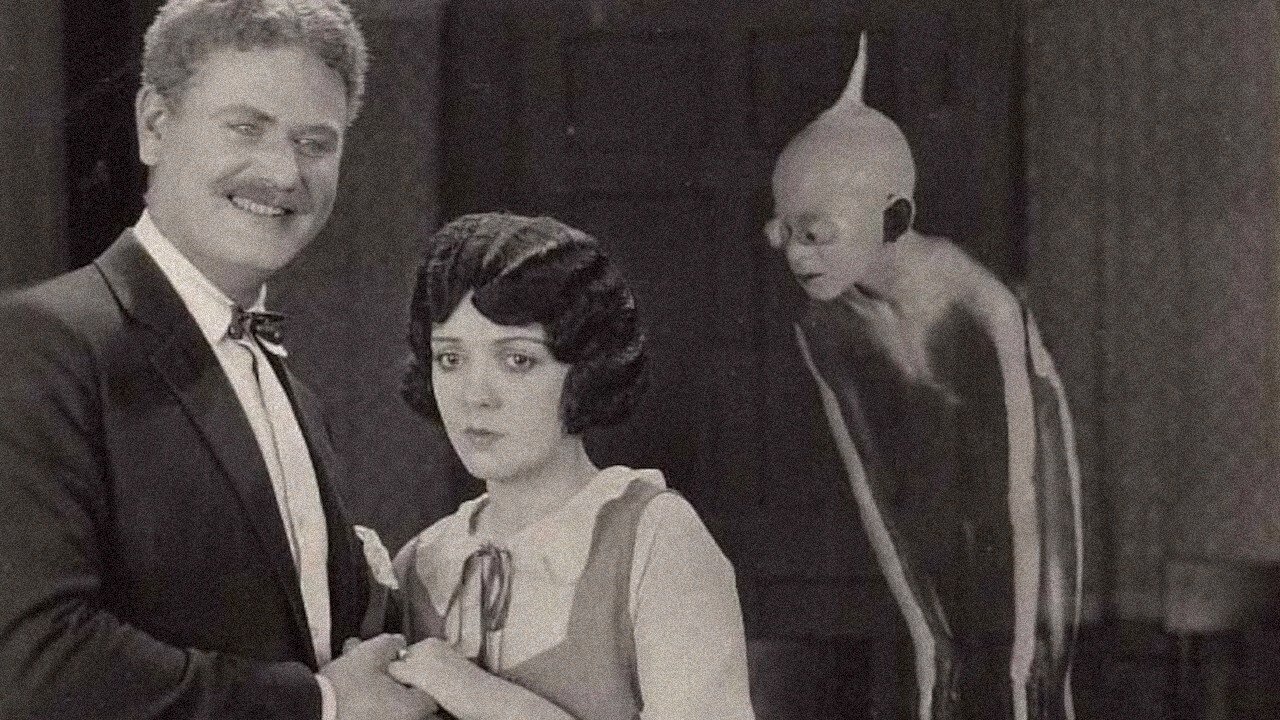
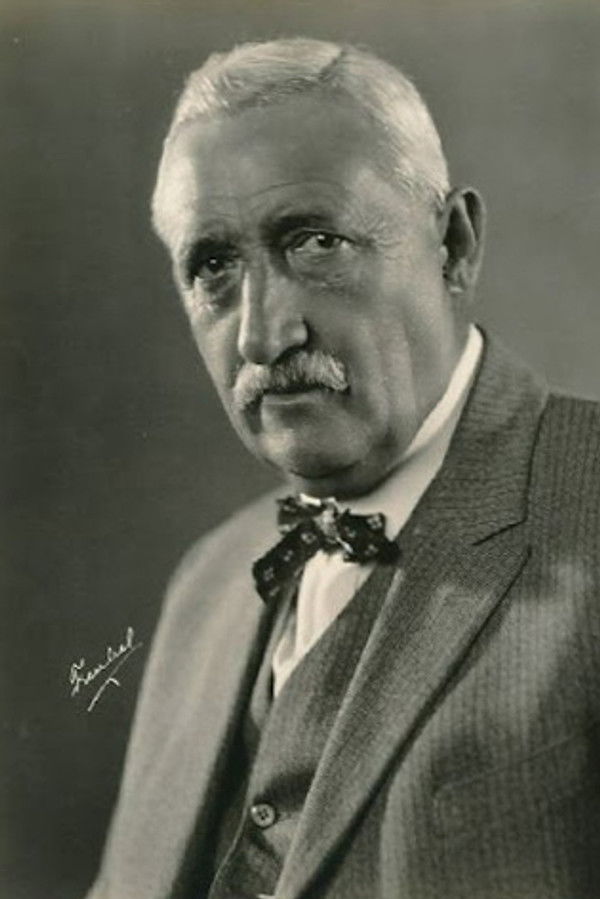
Ek is a disembodied spirit, required to wait his turn in the boring cosmos until he is allowed to inhabit an earthly body. Impatient, he sneaks off to earth to find a body and, after several failed attempts, finds Professor Ezra Botts, a timid old pedant and researcher of psychic phenomena. Life fairly well kicks Professor Botts around as it does all timid souls, and he gets little love or respect. But during an experimental trance, he is able to leave his body behind and at that moment, Ek sees his chance and slips in, taking over the professor's body. The "new" professor is energetic, charismatic, and dynamic, and from the limbo in which he floats, the real professor fears that Ek is going to wear out the tired old body before he, Botts, can return to it. And just how is he supposed to get back into his body, anyway?
Tarantino's alternative history of the 1960's uncritically repeats the era's sexist and racist stereotypes.
Complex relationships between mothers and daughters are far from a new concept, whether the strain comes from abandonment, beliefs, or trauma. In My Only Wish, an Incluvie Film Festival submission, Brenda Gutierrez’s take on her character’s maternal divide comes in the form of abandonment.
The death of Grace's father brings challenges as the family tries to preserve their ranch.
The Season 3 finale overall upholds everything that Incluvie is primarily concerned about when it comes to media content
An action film led by two queens, fighting for what they believe in through power and pain.
In ‘The Owl House’ protagonist Luz Noceda stumbles across a portal to another dimension where magic exists, called The Boiling Isles.