










Incluvie – Better diversity in movies.
Identity in film with Incluvie stamps, scores, reviews.

Incluvie – Better diversity in movies.
Explore identity in film with Incluvie stamps, scores, reviews, and insights.

trailer banner
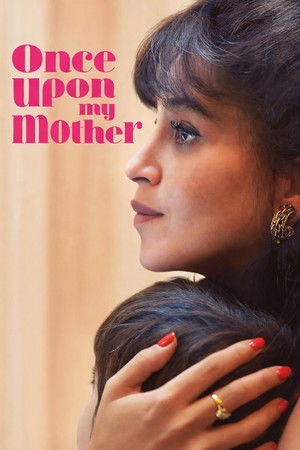
Once Upon My Mother poster

Once Upon My Mother (2026)

In 1963, Esther gives birth to Roland, the youngest of a large family. Roland is born with a club foot that prevents him from standing. Against everyone's advice, she promises her son that he will walk like the others and that he will have a fabulous life. From then on, Esther will do everything in her power to keep this promise. Through decades of trials and miracles of life, this film is the story of a true, funny and moving story, that of an incredible destiny and the greatest love there is: that of a mother for her child.
- / 5
PopScore
Representation

Pictures and Videos


Incluvie Gala

Movie Information


In 1963, Esther gives birth to Roland, the youngest of a large family. Roland is born with a club foot that prevents him from standing. Against everyone's advice, she promises her son that he will walk like the others and that he will have a fabulous life. From then on, Esther will do everything in her power to keep this promise. Through decades of trials and miracles of life, this film is the story of a true, funny and moving story, that of an incredible destiny and the greatest love there is: that of a mother for her child.

Rating:
Genre:Drama, Comedy
Directed By:Ken Scott
Written By:Ken Scott
In Theaters:1/15/2026
Box Office:$12,377,729
Runtime:102 minutes
Studio:Egérie Productions, Gaumont, Christal Films, Amazon MGM Studios

Articles You May Like


'Jack and Diane' Review: Wasted Potential

The plot could’ve really been interesting if the elements of lycanthropy was integrated with perhaps the struggle of identity of being LGBTQ+. It's an experience for so many that as they’re starting to realizing their true selves, they feel like a monster, especially if they come from unsupportive homes or communities. Instead, the horror and transformation elements seem thrown in without contemplation of how this could deepen the narrative.

Andrea Amoroso