



What We Do in the Shadows (of Our Closet Walls)
There’s enough evidence to insinuate that What We Do in the Shadows is intentionally queer-coded.
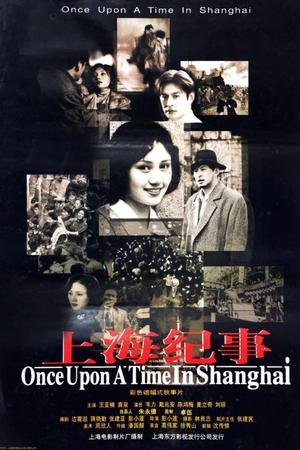


The protagonists are mainly Huirong, Zhaobai, and Jikan, who have studied business management in the USA and have returned to their hometown, Shanghai. Huirong and Zhaobai are engaged, and although three of them are close friends, problems arise when they find out that their opinions clash on the matter of what the objective for building a new China should be and what direction it should take.
There’s enough evidence to insinuate that What We Do in the Shadows is intentionally queer-coded.
When diverse representation is featured on-screen, it oftentimes comes with strings attached that undermine the message they were trying to send. This can be attributed to the fact that behind-the-screen, the industry primarily does not reflect the breadth of diverse difference that is present in daily life. That’s why when something as powerful and authentic as Minari comes along, it is both incredibly wonderful and needs a large audience to witness it.
A code adopted by gay men and LGBTQ+ individuals in general to subtly disclose your identity to another, “friend of Dorothy” is widely considered to originate with Judy Garland.
Animation as a medium of storytelling can be thought to be open to all ages and as I hope my readings will reveal, they could be interpreted as transgender stories.
... La huesera haunts her daily life, leaving people to question her viability as a mother, and Valeria’s lack of satisfaction with her life leave her asking similar questions. These misgivings reach their peak after the baby is born, when Valeria, visibly in a state akin to possession, locks her in the fridge when she won’t stop crying through the night
'Brother' is a gripping family drama with dazzling performances all around.